Engineered wood flooring has become a favourite among homeowners looking for a balance of style, durability, and affordability. Unlike solid hardwood, engineered wood offers stability against moisture and temperature changes, making it a practical choice for modern homes.
However, not all engineered wood flooring is created equal. Choosing the right one involves considering various factors, from wood species to finish options. Making the wrong choice can lead to premature wear, costly replacements, and dissatisfaction. This guide will help you navigate the essentials, avoid common pitfalls, and find the perfect flooring for your space.
One of the first decisions to make is the type of wood species for your flooring. Popular choices include:
Selecting the right wood species depends on your lifestyle. Homes with pets and children may benefit from harder woods like hickory, while those seeking a timeless look may prefer oak.
The wear layer is a critical factor in engineered wood flooring. It determines how long the floor will last and whether it can be refinished. Common thicknesses include:
A thicker wear layer means a longer lifespan, so investing in a quality option pays off in the long run.

Choosing the right finish impacts both aesthetics and maintenance:
Matte finishes are gaining popularity due to their contemporary look and ease of maintenance.
Trendy flooring styles may look great today but could become outdated quickly. Opting for extremely bold colours or unusual plank patterns can limit future resale appeal. Instead, choose timeless shades like natural oak or walnut, which complement various interior styles.
Engineered wood flooring can look different under various lighting conditions. Online images often fail to show accurate colour and texture variations. Ordering free samples allows you to see how the flooring looks in your home before committing.

How you install engineered wood flooring affects its durability and performance:
Your subfloor and the room’s humidity levels will influence the best installation method.
Sustainability is becoming a key factor in flooring choices. Look for certifications such as:
Choosing eco-friendly flooring benefits both your home and the environment.

Wider and longer planks create a spacious and seamless look, reducing the number of seams in a room. This trend enhances contemporary and minimalist interiors.
High-maintenance, high-gloss finishes are fading in popularity. Instead, homeowners opt for natural, lightly textured surfaces that disguise wear and require less upkeep.
With growing environmental awareness, more buyers seek reclaimed and responsibly sourced wood. These options offer a unique character while reducing environmental impact.
Not all engineered wood flooring is equal, and choosing the right supplier is crucial. Here’s what to look for:
The Flooring Masters is a trusted supplier offering premium engineered wood flooring, free samples, and expert advice to help you make the best decision.
Engineered wood flooring is a long-term investment in your home’s style and functionality. To make the right decision:
Explore the engineered wood flooring collection at The Flooring Masters today and find the perfect fit for your space. You can order a free sample to see if engineered wood flooring fits your home style.

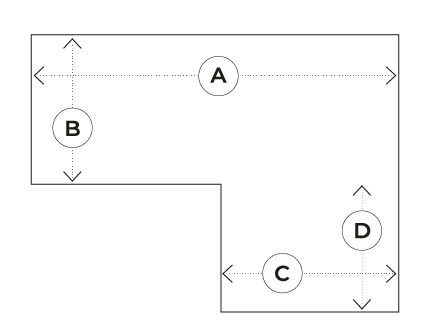
Example One: Rectangle Rooms
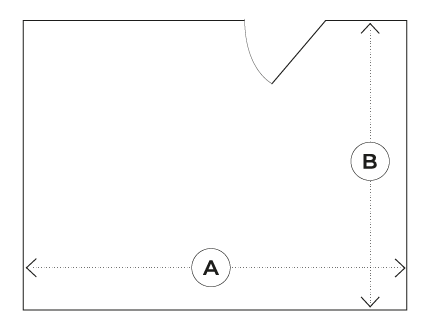
Example Two: Odd Shaped Rooms