SAVE UP TO 70%
ENDS – Friday, 31st July
Summer Sale
SAVE UP TO 70%
HURRY! – SALE ENDS – 31st July
Solid wood flooring is the perfect way to bring a natural, rustic feel to your home. The natural, warm look of solid hardwood floors is guaranteed to create an inviting ambience that you and your family will love to relax in. Solid wood flooring offers the beauty of real wood with all of the benefits, including ease of installation, durability, and easy maintenance. With solid wood flooring, you can count on a touch of timeless elegance that will add a touch of comfort and charm to any room.
Solid wood flooring is a natural 100% wood product with each board coming from just one piece of solid wood. Made from real, renewable materials, our range of solid wood flooring offers a more environmentally friendly alternative to engineered and laminate floors.
15 Products
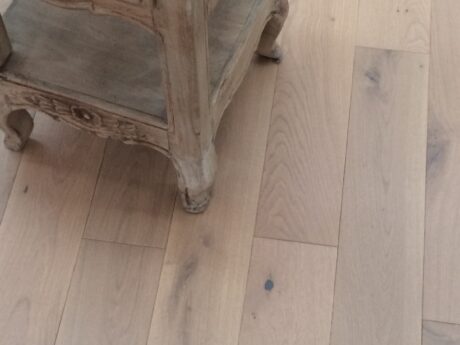
| Save 58%

| Save 60%
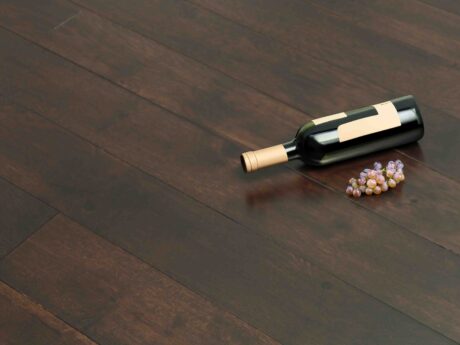
| Save 59%
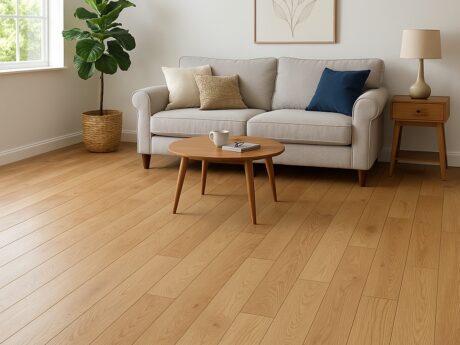
| Save 43%

| Save 60%
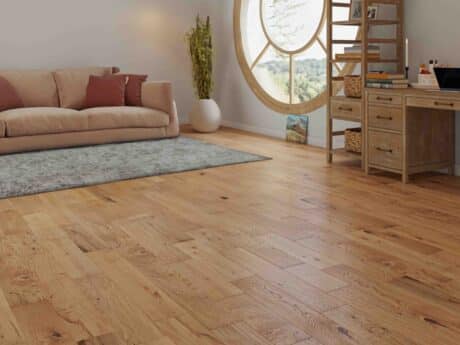
| Save 62%
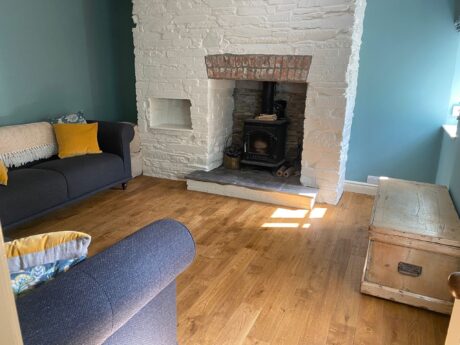
| Save 59%
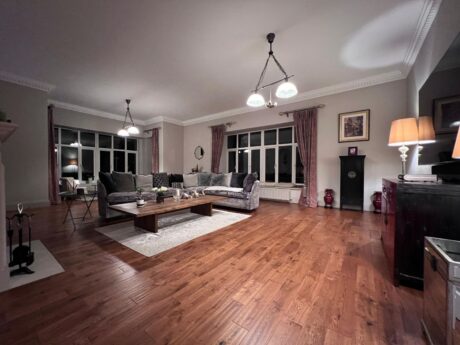
| Save 62%
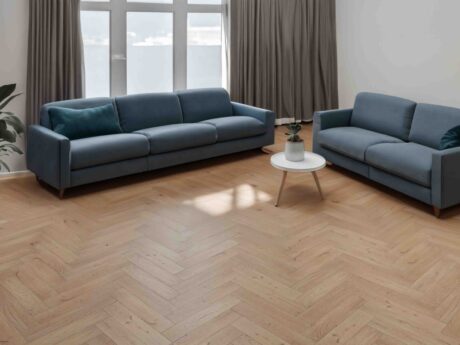
| Save 57%


| Save 57%

| Save 63%

| Save 57%
Solid wood flooring is exactly what it sounds like - flooring made from solid pieces of timber. Each plank is crafted from a single piece of wood, typically 18-20mm thick. It's the real deal, offering the authentic look and feel of natural wood. Key points: Made from one piece of wood throughout Usually 18-20mm thick Available in various wood species Can be sanded and refinished multiple times Typically tongue-and-groove for installation Offers a timeless, natural aesthetic Unlike engineered wood, there are no layers - it's solid wood from top to bottom. This means it can be sanded and refinished many times over its lifespan, potentially lasting for generations with proper care.
In the UK, the most popular wood species for solid flooring include: Oak: The classic choice, known for durability and versatility. Walnut: Rich, dark tones for a luxurious look. Maple: Light colour, great for brightening spaces. Cherry: Warm reddish tones that deepen over time. Beech: Hard-wearing with a subtle grain pattern. Ash: Light-coloured with a prominent grain, similar to oak. Oak remains the top choice due to its durability, classic look, and wide range of finishes. When choosing, consider: Your home's style and existing décor The room's lighting and size Durability needs based on foot traffic Your budget Always view samples in your home before making a final decision, as colours can vary between manufacturers and look different under various lighting conditions.
Solid wood flooring can be an environmentally friendly choice, but it depends on several factors: Pros: Renewable resource if sourced from sustainably managed forests Long lifespan reduces the need for frequent replacements Can be recycled or repurposed at the end of its life Natural product with minimal processing Cons: Uses more timber than engineered wood flooring Transportation can have a significant carbon footprint To ensure you're making an eco-friendly choice: Look for FSC or PEFC certification Choose wood sourced from local or nearby forests Opt for species that grow quickly and abundantly Consider reclaimed wood flooring for maximum sustainability Remember, the long lifespan of solid wood flooring means it can be more environmentally friendly in the long run compared to shorter-lived alternatives.
Solid wood flooring is generally considered a good investment for your home: Increased property value: Many buyers prefer real wood floors. Longevity: Can last for generations with proper care. Timeless appeal: Never goes out of style. Refinishing potential: Can be sanded and refinished multiple times. However, consider: Higher upfront cost compared to some alternatives Not suitable for all areas (e.g., high moisture) Requires more maintenance than some modern flooring options The return on investment depends on: Quality of the wood and installation How long you plan to stay in your home Local property market preferences While solid wood flooring can be a significant initial expense, its durability and classic appeal often make it a worthwhile long-term investment for many homeowners.

Example One: Rectangle Rooms
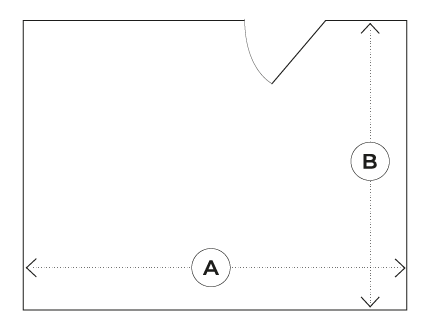
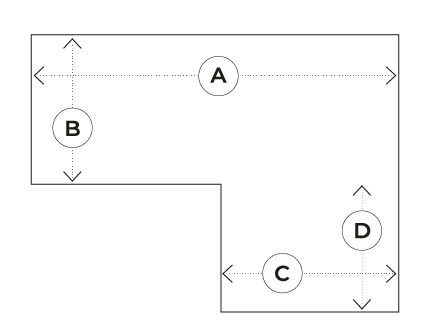
Example Two: Odd Shaped Rooms