Is hand-scraped flooring a long-term investment or just another design trend? This question has intrigued homeowners and designers alike as this flooring style continues to grow in popularity.
Hand-scraped engineered wood flooring offers a unique, rustic charm that mimics the craftsmanship of old-world woodwork. The distressed, textured appearance adds depth and character, making it a favourite among those who appreciate a vintage aesthetic. But beyond its visual appeal, does it offer practical advantages? Or is it just a fleeting interior design trend?
In this blog, we’ll explore the history, benefits, drawbacks, and long-term value of hand-scraped engineered wood flooring to help you decide if it’s the right choice for your home.
Before modern sanding techniques, hand scraping was necessary for wood floor production. Artisans would manually smooth out planks, leaving subtle grooves and imperfections that gave floors their distinct character. This method was standard in older homes and historic buildings, where every floor had a unique, handcrafted appeal.
With the rise of machine-finished, ultra-smooth flooring, hand-scraped styles took a backseat for many years. However,hand-scraped flooring returned as homeowners sought a more natural and organic aesthetic. Today, it’s a sought-after option for those looking to infuse warmth, history, and authenticity into their spaces.
Solid wood flooring offers deep textures and can be refinished multiple times, but it comes with a high price tag and requires careful maintenance. On the other hand, engineered wood flooring consists of a real wood veneer over a plywood core, providing excellent stability and resistance to moisture. Hand-scraped engineered wood flooring delivers the same aesthetic appeal as solid wood but at a more affordable cost and with added durability.

Each plank of hand-scraped flooring has a unique look, thanks to the manual or machine-assisted distressing process. The result is a beautifully aged appearance that adds warmth and charm to any room.
Unlike smooth-finished floors, where every scratch is visible, hand-scraped flooring naturally hides minor dents, scratches, and imperfections. This makes it an excellent choice for high-traffic areas, families with children, or homes with pets.
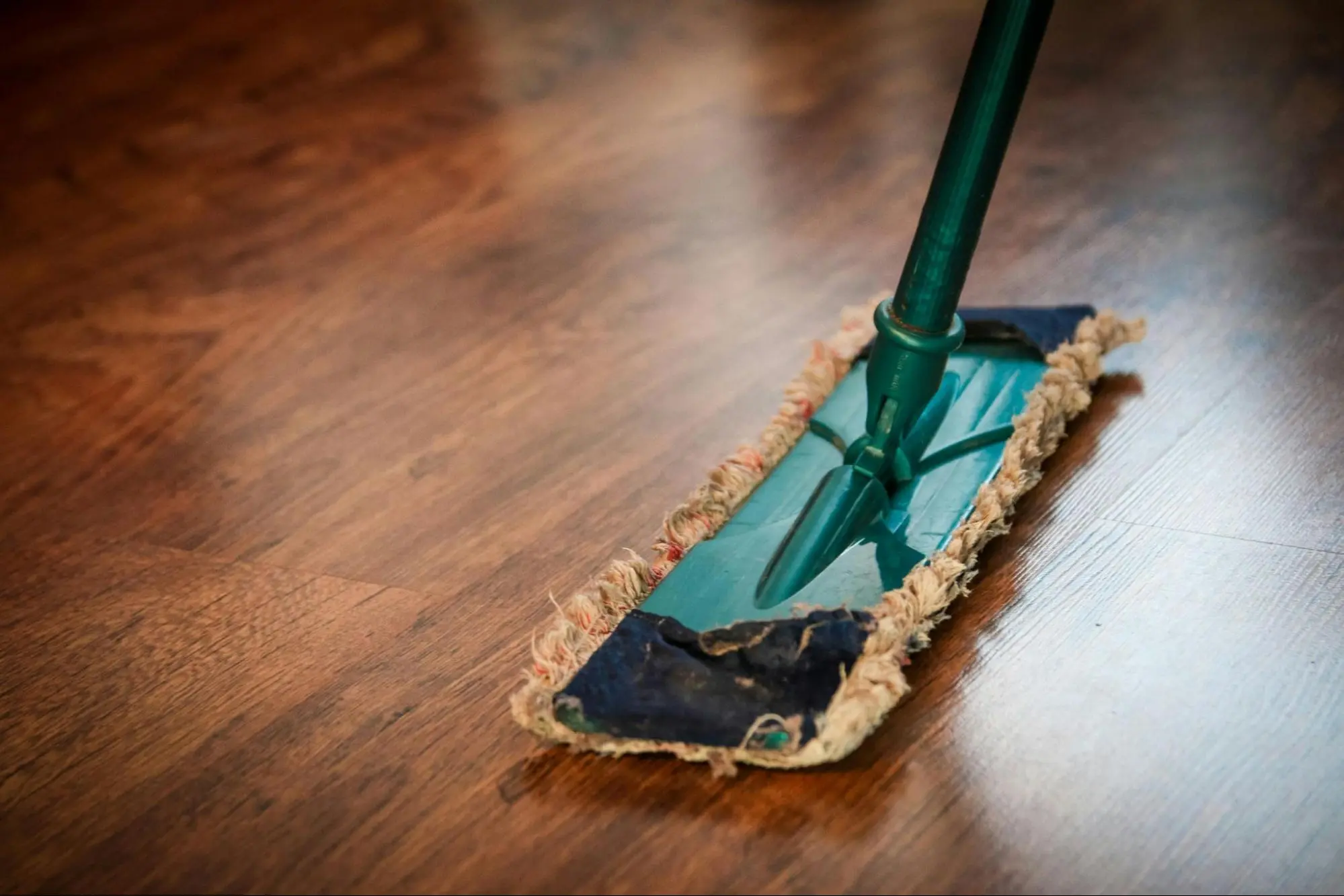
The textured surface of hand-scraped engineered wood flooring conceals dust, dirt, and everyday wear better than traditional smooth finishes. Regular sweeping and occasional damp mopping are enough to maintain its timeless appeal.

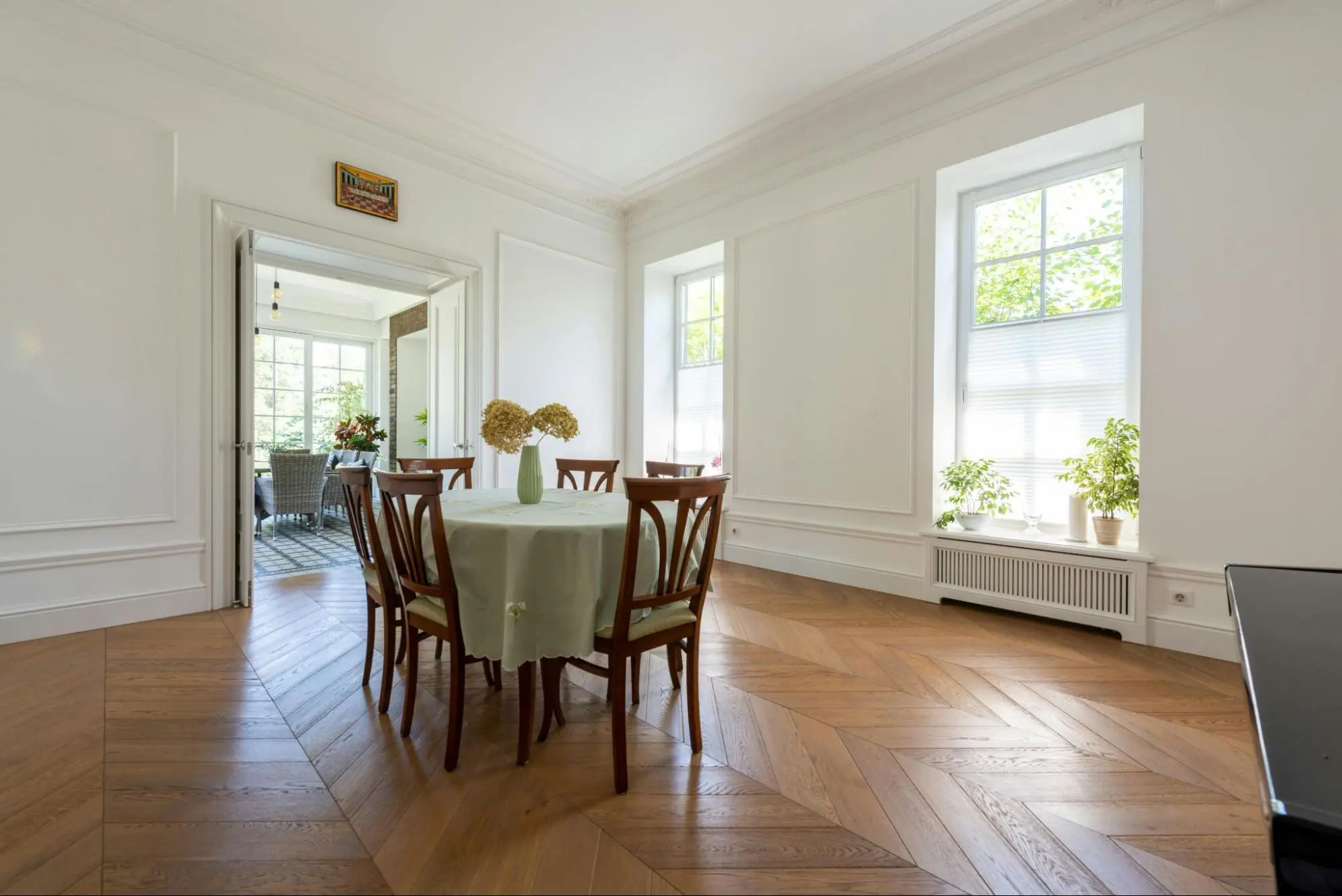
More homeowners are embracing rustic and nature-inspired aesthetics, making hand-scraped flooring a staple in modern interior design. Whether paired with farmhouse, industrial, or contemporary styles, this flooring enhances the overall ambience of a space.
Engineered wood flooring requires fewer raw materials than solid wood, making it more eco-friendly. Many brands now use sustainably sourced timber and environmentally friendly finishes, appealing to those looking to reduce their carbon footprint.
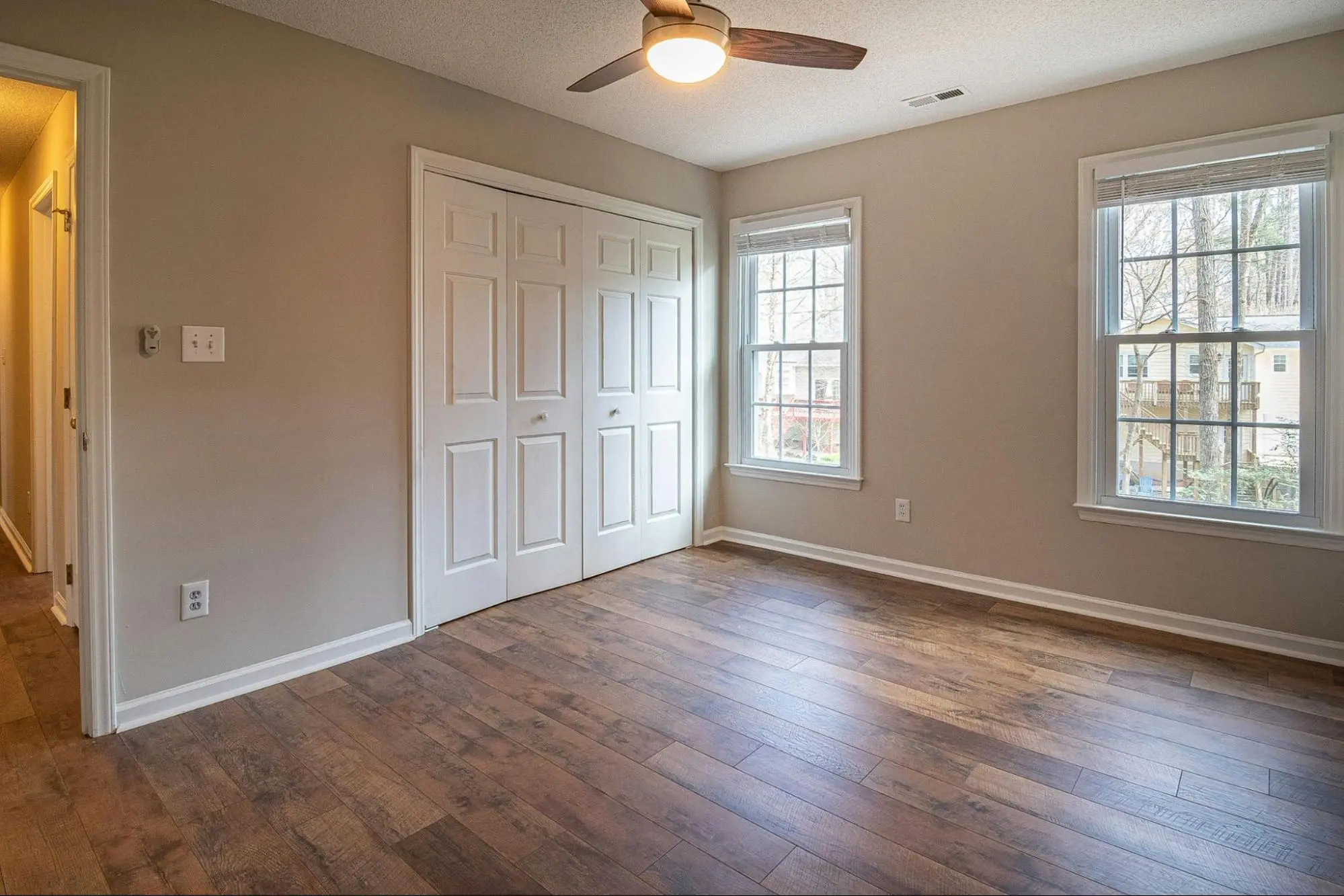
The demand for wide planks has surged in recent years, with homeowners preferring fewer seams and a more expansive look. Hand-scraped engineered wood flooring in wide plank designs amplifies the rustic appeal and creates a sense of openness in any room.
While hand-scraped engineered wood flooring is more affordable than solid wood, high-quality options can still be pricey. Cheaper alternatives may use machine-scraped techniques that lack the authentic handcrafted look.
| Flooring Type | Price Range (per m²) | Refinishing Potential | Durability |
|---|---|---|---|
| Hand-Scraped Solid Wood | £60 - £120 | Multiple times | High |
| Hand-Scraped Engineered Wood | £40 - £90 | Limited | High |
| Machine-Scraped Engineered Wood | £25 - £60 | Limited | Moderate |
Hand-scraped flooring has a distinct aesthetic that may not suit minimalist or ultra-modern interiors. If your style preferences change over time, you might find the rustic look too limiting.
Unlike solid wood flooring, engineered wood has a thinner veneer, which means it can only be refinished a limited number of times—if at all. This can impact its lifespan, depending on wear and tear.

Hand-scraped engineered wood flooring is more than just a design trend—it’s a timeless choice that combines aesthetic appeal with practical benefits. While it may not suit every interior style, its durability, character, and ability to mask imperfections make it a worthwhile investment for many homeowners.
Whether you’re drawn to its old-world charm or its ability to withstand everyday life, this flooring option remains a strong contender in interior design.
If you’re still unsure about this decision, contact us at the expert advice centre at The Flooring Masters.

Example One: Rectangle Rooms
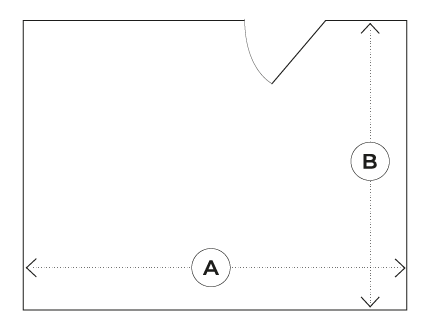
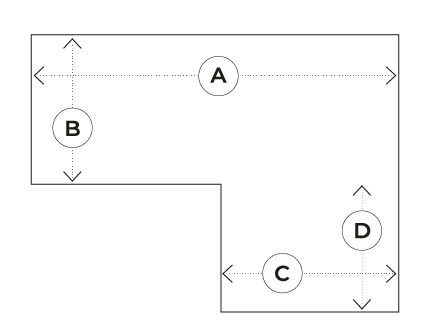
Example Two: Odd Shaped Rooms