Flooring is a significant investment that has the potential to transform your living space. Yet, it’s surprisingly easy to fall for trendy buzzwords or alluring patterns without understanding their practical implications. Choosing the wrong flooring pattern can disrupt the aesthetics of your space, increase costs, and even make maintenance a nightmare.
This guide isn’t about the hype—it’s about clarity. Whether you’re drawn to parquet or herringbone, we’ll break down the essential details so you can make an informed decision.
Parquet flooring refers to geometric patterns created by arranging wooden blocks or strips. While it’s often marketed as a luxury option, it’s far from just a buzzword. With roots dating back centuries, parquet has stood the test of time as a practical and visually striking design choice.

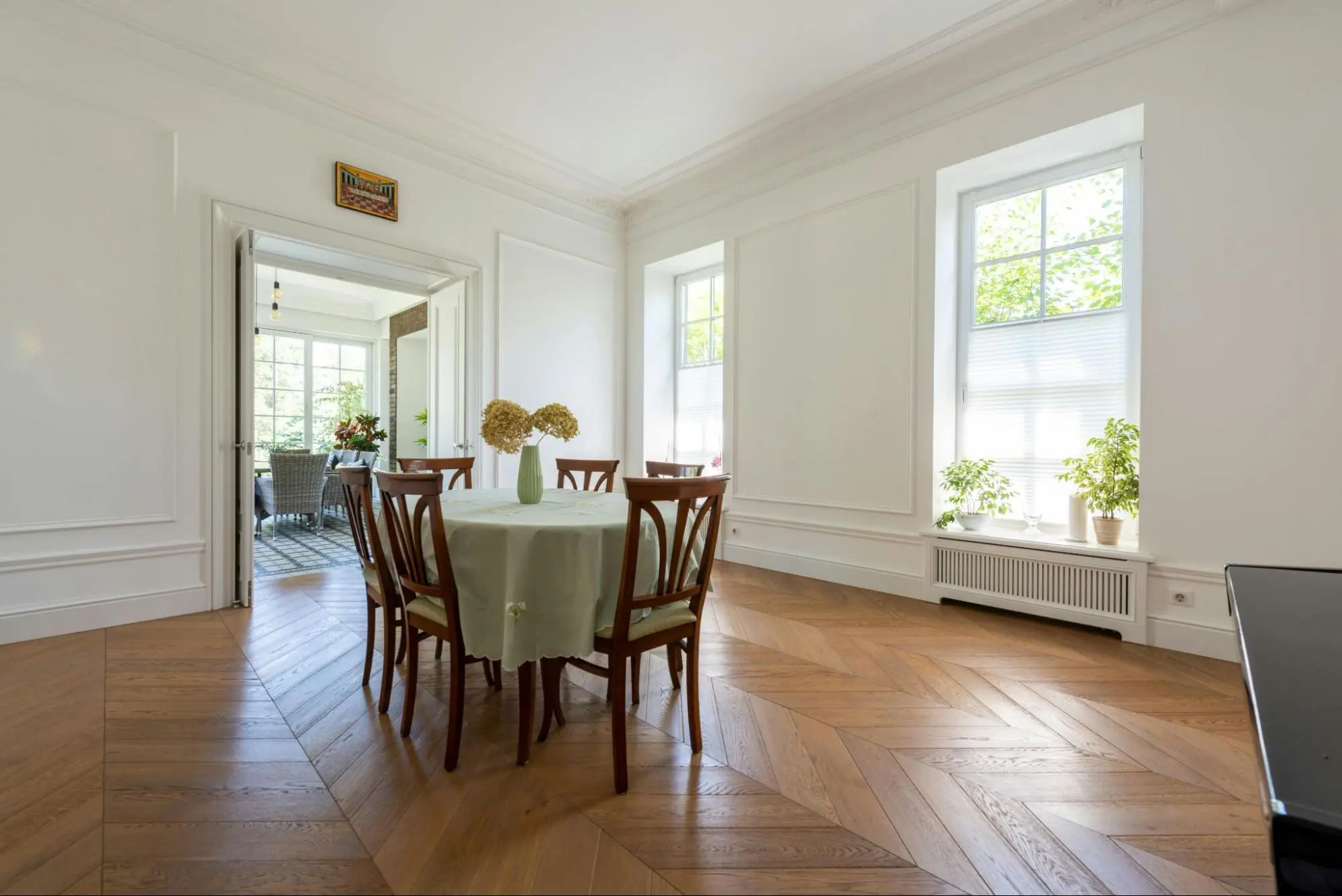
Not all parquet patterns are created equal. Some, like the timeless herringbone, are more straightforward to install, while others, such as the chevron, require meticulous craftsmanship, which drives up costs.
If you’re considering parquet, remember that design intricacy often correlates with maintenance demands. Understanding these nuances can save you from unexpected costs down the line.
👉 Discover our premium parquet flooring options at The Flooring Masters.
Herringbone is celebrated for its elegance and versatility. Its distinctive zigzag pattern enhances narrow spaces and adds visual movement, making rooms appear more dynamic and sophisticated.
However, the charm of herringbone comes at a cost. Intricate installation isn’t a marketing gimmick; it requires precision, increasing labour expenses. Additionally, herringbone can clash with other design elements if overused, potentially overwhelming a space.
👉 Explore our expertly crafted herringbone flooring options at The Flooring Masters.

When choosing between parquet and herringbone, it’s crucial to understand their unique attributes:
| Feature | Parquet | Herringbone |
|---|---|---|
| Aesthetic | Broad design scope, including chevron and basketweave patterns. | Dynamic zigzag pattern ideal for narrow spaces. |
| Installation | Varies by pattern; the chevron is more complex. | Requires precise measurements and skilled labour. |
| Durability | Depends on the quality of the wood, not the design. | Similar durability if materials are of equal quality. |
Precision is crucial. In herringbone, even a slight misalignment can ruin the symmetry, while intricate parquet patterns demand an expert’s touch to maintain consistency. A steady hand and professional expertise are vital to avoid gaps, uneven lines, or a poorly aligned final look.
Even subfloor preparation needs careful attention. An uneven subfloor can lead to creaks, gaps, or buckling, compromising the flooring’s durability and appearance over time.
Cheap installation might save money upfront but often leads to expensive rework if mistakes occur. Misaligned herringbone or poorly laid parquet can require removing and reinstalling entire sections, increasing material and labour costs.
Beyond money, rework also brings delays and disruptions to your project. Investing in skilled professionals ensures a seamless installation, saving time, stress, and unnecessary expenses.

While both parquet and herringbone flooring are known for their durability, keeping them in top condition requires consistent care. Proper maintenance not only enhances their longevity but also ensures they retain their aesthetic charm over the years.
Daily upkeep involves sweeping or vacuuming to remove dirt and debris that can scratch the surface. Both types of flooring benefit from occasional damp mopping with wood-safe cleaners to maintain their finish.
When it comes to repairs, the herringbone’s intricate pattern demands precise attention to symmetry. Replacing a damaged plank can be a time-consuming task, as even a minor misalignment can disrupt the flow of the design. In contrast, parquet’s broader design variations may be less challenging to repair, but some patterns require specialised refinishing techniques to restore their original look.
Another consideration is the choice of finish—whether lacquered or oiled—which impacts scratch resistance and maintenance frequency. Herringbone often benefits from a lacquered finish for high-traffic areas, while oiled finishes on parquet offer a more natural look but need reapplication to protect the wood.
Investing time in regular maintenance and understanding the unique care requirements of each pattern can prevent small issues from turning into costly problems later on.
Understanding the true cost of parquet and herringbone flooring requires looking beyond their initial price per square metre. Here’s a detailed cost table to help you navigate the expenses.
| Expense | Parquet Flooring | Herringbone Flooring |
|---|---|---|
| Materials | £40–£70 per m² (standard wood | £50–£80 per m² (higher demand for precision cuts) |
| Installation | £25–£50 per m² (varies by pattern) | £40–£70 per m² (labour-intensive alignment) |
| Maintenance (annually) | £5–£10 per m² (cleaning and refinishing) | £10–£15 per m² (additional care for intricate designs) |

For a 20 m² room, here’s an example of potential total costs over 10 years:
| Expense Category | Parquet Flooring | Herringbone Flooring |
|---|---|---|
| Initial Materials + Installation | £1,300–£2,400 | £1,800–£3,000 |
| Maintenance Over 10 Years | £1,000–£2,000 | £2,000–£3,000 |
| Total Cost (10 Years) | £2,300–£4,400 | £3,800–£6,000 |
What This Means for You
While both parquet and herringbone are worthwhile investments, herringbone’s intricate design and installation process make it a costlier option overall. However, parquet offers more flexibility in patterns, which could save money depending on your choice of design.
By understanding these costs upfront, you can avoid surprises and plan your budget effectively.
Parquet and herringbone flooring both offer timeless appeal, but their differences in design, cost, and maintenance are significant. Choosing the right option for your space requires more than just an eye for aesthetics—it’s about aligning your needs and budget with the practicalities of each pattern.
At The Flooring Masters, we simplify this process with expert advice, transparent pricing, and free samples. Our sustainable, high-quality flooring options ensure you can invest with confidence.

Example One: Rectangle Rooms
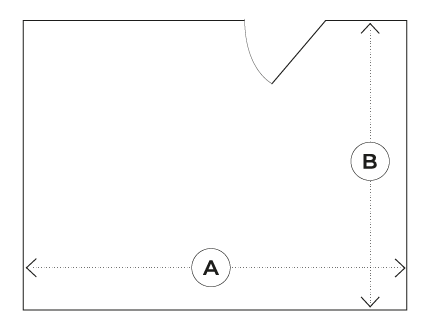
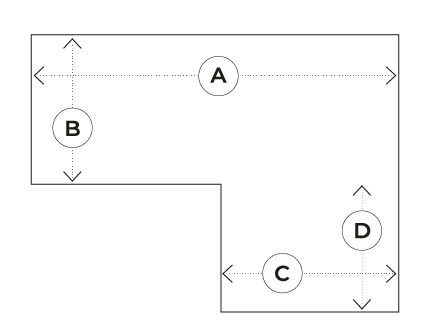
Example Two: Odd Shaped Rooms