Installing solid wood flooring on concrete raises an important question: is underlay a must-have or simply an optional extra? Some argue it’s an essential safeguard for your flooring, while others see it as an unnecessary expense. The truth is, that the need for underlay depends on factors like your flooring type, environment, and budget.
So, why does this debate matter? Underlay can provide valuable benefits—but only in the right situations. While not every concrete installation requires it, overlooking its potential advantages could mean missing out on added protection, comfort, and longevity for your flooring. Let’s explore both sides of the argument.
For those championing the use of underlay, the benefits are compelling:
Concrete floors naturally emit moisture, which can seep into your wood flooring, causing warping or damage. An underlay acts as a protective shield, safeguarding your investment from concrete’s sneaky moisture.

A peaceful home starts with quiet floors. Underlay helps dampen noise, making it a practical choice for multi-storey properties or busy households. It absorbs impact sounds, such as footsteps, and reduces airborne noise, creating a more serene living environment. For families or shared spaces, this added quietness can make a significant difference in daily comfort.
Underlay provides an extra layer of cushioning, reducing strain on your joints and helping to minimise wear and tear on the wood. Over time, this added stability can extend the lifespan of your flooring.
However, not everyone is convinced that underlay is necessary. Here are some reasons why:
Underlay adds an additional expense to your flooring project. For some, the question is whether it truly delivers enough value to justify the cost, or if it’s simply another upselling tactic.
Innovative adhesives or pre-treated wood options are increasingly available, promising to provide similar moisture protection and stability without the need for an underlay. These solutions are often easier to install and can reduce overall project costs. Additionally, they may be ideal for those seeking a streamlined approach without compromising durability or performance.

In some scenarios, underlay might not be necessary at all. For instance, low-moisture environments or engineered wood flooring, which is more resilient than solid wood, may not require the added protection.
Your choice of installation method plays a crucial role in determining whether you need underlay. Here’s a closer look at the most common methods:
A floating subfloor is one of the more straightforward installation methods. It involves laying the flooring over a thin layer of subfloor material without adhesive, creating a “floating” effect. This method provides cushioning and enhances sound insulation, making it an attractive option for comfort and quietness.
However, it has a notable downside: it can slightly raise the floor level, potentially reducing ceiling height—a consideration for rooms with low ceilings or tight spaces.
The glue-down method is another popular option, known for its strong and durable results. This approach involves adhering the wood flooring directly to the concrete using specialised adhesives, ensuring a secure and lasting bond. While highly effective, this method can be labour-intensive and costly due to the adhesives and time required.
Additionally, underlay is rarely compatible with glue-down installations, as the adhesive needs direct contact with the concrete for maximum effectiveness.

Your choice of installation method significantly impacts whether underlay is necessary or even feasible. While a floating subfloor may require an underlay for added comfort and insulation, the glue-down method often eliminates this option, prioritising direct adhesion instead. Carefully evaluate your installation needs to determine the best approach for your flooring project.
Ultimately, the decision to use underlay depends on several key factors:
Concrete floors can retain hidden moisture, which may harm your wood flooring over time. Conducting a moisture test is crucial to determine if an underlay is needed for protection. This involves measuring the moisture levels in the concrete using tools like moisture meters or hygrometers. Identifying potential moisture issues early can save you from costly repairs or replacements later.

Solid wood and engineered wood have different requirements. Engineered wood is generally more stable and moisture-resistant, potentially reducing the need for underlay. Solid wood, on the other hand, is more susceptible to expansion and contraction caused by humidity, making underlay a more critical consideration. Choosing the right wood type for your specific environment is key to ensuring long-lasting performance.
The underlying debate boils down to your unique needs and circumstances. On the one hand, it can protect your flooring, enhance comfort, and reduce noise. On the other hand, the added expense may not always be justified, especially if alternative solutions suffice.
Still undecided? Let The Flooring Masters guide you. With expert advice and premium materials, we’ll help you make the best choice for your home and budget.
Contact us today to explore our range of flooring solutions and order a free sample from us!

Example One: Rectangle Rooms
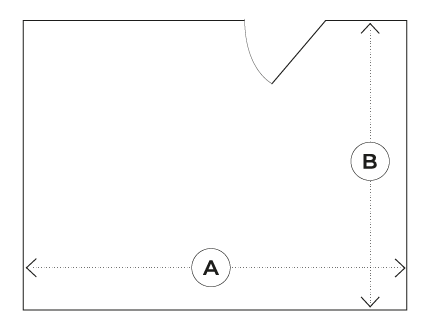
Example Two: Odd Shaped Rooms