Engineered wood flooring offers the perfect blend of natural beauty and modern durability.
With its multi-layered construction, engineered wood flooring can withstand humidity changes and heavy foot traffic better than traditional hardwood. But the burning question remains: just how long does it actually last?
The answer isn’t as straightforward as you might think. While manufacturers often tout lifespans of 20-30 years, the reality can vary significantly based on factors like quality, installation, and maintenance.
In this blog, we’ll explore the factors that influence the lifespan of engineered wood flooring, share expert maintenance tips, and help you understand when it’s time for a replacement.
Whether you’re considering a new installation or looking to extend the life of your existing floors, this blog has you covered.
Let’s uncover the truth about engineered wood flooring’s lifespan and how to make it last as long as possible.
On average, engineered wood flooring lasts 20 to 30 years. However, with proper care and maintenance, many homeowners report their floors lasting 40 years or even longer.
But here’s the thing: not all engineered wood flooring is created equal. Several factors can affect the lifespan.

To truly understand the lifespan of engineered wood flooring, it’s helpful to know what it’s made of. Let’s take a closer look:
This is the top layer of real hardwood. It’s what you see and walk on. Typically, this layer ranges from 0.6mm to 6mm in thickness. The thicker this layer, the more times your floor can be sanded and refinished.
Beneath the wear layer are multiple layers of plywood or high-density fibreboard (HDF). These layers give engineered wood its stability and resistance to warping.
The final layer is designed to provide additional stability and moisture resistance.
Yes, it can! But here’s the catch: how many times you can refinish your engineered wood floor depends on the thickness of that all-important wear layer.
– 0.6mm – 1mm: Sorry, no refinishing here. But you can still restore shine with refresher products.
– 2mm – 3mm: You can likely refinish once, maybe twice if you’re gentle.
– 4mm – 6mm: Now we’re talking! These can usually be refinished multiple times, similar to solid hardwood.
Remember, each refinishing removes about 0.5mm to 1mm of wood. So, a 3mm wear layer could potentially be refinished 2-3 times.
Want your engineered wood floors to last as long as possible? Here’s how:
Different finishes offer varying levels of protection:
Proper installation is crucial for maximizing the lifespan of your engineered wood flooring. Here are some key points:
Pro tip: Unless you’re a DIY guru, consider professional installation. It might cost more upfront, but it can add years to your floor’s life.
For the eco-conscious among us, here’s some good news: Many engineered wood flooring options are produced with sustainability in mind. Look for products certified by organizations like the Forest Stewardship Council (FSC) for assurance of environmentally responsible sourcing.
While the initial cost of engineered wood flooring can be higher than some alternatives, it often proves cost-effective in the long run. Installation costs are typically lower than solid hardwood due to less labour and preparation needed.
Even with the best care, there will come a time when replacement is necessary. Here are some signs to watch for:
You might be wondering how engineered wood stacks up against its solid hardwood cousin in terms of longevity. Here’s a quick comparison:
– Solid Hardwood: Can last 50-100 years with proper care and multiple refinishings.
– Engineered Wood: Typically lasts 20-40 years, with the potential for longer life depending on wear layer thickness and care.
While solid hardwood has the potential to last longer, engineered wood offers benefits like better stability and moisture resistance, making it a great choice for many homes.

So, how long does engineered wood flooring last?
With quality materials, proper installation, and good maintenance, you can expect 20-40 years of beautiful floors. While engineered wood may not last as long as solid hardwood, it offers a great balance of longevity, stability, and style.
Remember, the key to maximising the lifespan of your engineered wood flooring lies in choosing a high-quality product, ensuring proper installation, and maintaining a consistent care routine.
At The Flooring Masters, we offer a curated selection of premium engineered wood flooring options built to stand the test of time. From eco-friendly choices to ultra-durable finishes, our range caters to various styles and durability needs.
Ready to find a floor that’ll last for decades? There’s no better way to decide than to see and feel the quality for yourself.
While not completely waterproof, engineered wood is more water-resistant than solid hardwood. However, standing water can still cause damage, so clean up spills promptly.
It’s not typically recommended due to the high moisture levels. However, if you’re determined, choose a product with excellent moisture resistance and ensure proper installation and sealing.
Engineered wood can withstand pet claws, especially if you choose a harder wood species and keep your pet’s nails trimmed. However, no wood floor is completely scratch-proof.

Example One: Rectangle Rooms
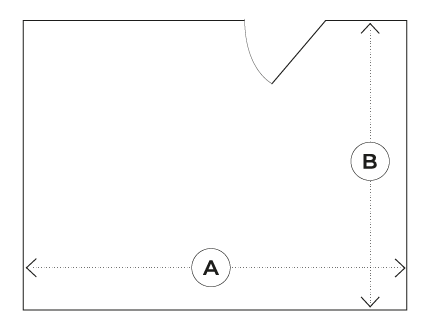
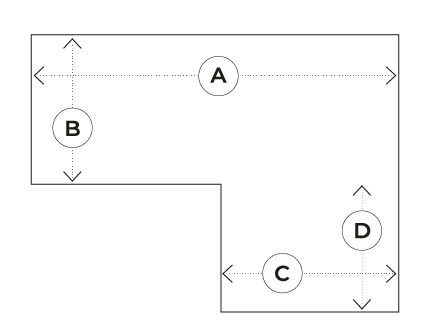
Example Two: Odd Shaped Rooms