A floating floor is not attached to the subfloor but relies on interlocking planks or adhesives to remain stable. While floating is a popular method for engineered wood and laminate flooring, solid hardwood presents additional challenges. Due to its susceptibility to moisture and expansion, traditional installation methods, such as nailing or glue-down techniques, are often recommended instead.
Although floating a solid hardwood floor over concrete is possible, it is not the most common or ideal approach. The primary concern is moisture from the concrete, which can cause warping, buckling, or gaps in the wood. A more stable and practical option for concrete subfloors is engineered wood flooring, with a plywood or high-density fibreboard (HDF) core designed to withstand environmental changes better than solid wood.
One of the most significant risks when installing hardwood over concrete is moisture. Concrete naturally retains and emits moisture, which can cause solid hardwood to expand and contract. To prevent damage, a moisture barrier is essential. A polyethene vapour retarder or a liquid-applied moisture barrier can help create a protective layer between the concrete and the hardwood flooring.
Concrete subfloors must be clean, dry, and level before installation. Cracks, bumps, or uneven surfaces can lead to an unstable floor. Conducting a moisture test using a concrete moisture meter before installation is crucial. If the moisture levels are too high, additional steps such as sealing the concrete or using a dehumidifier may be necessary.
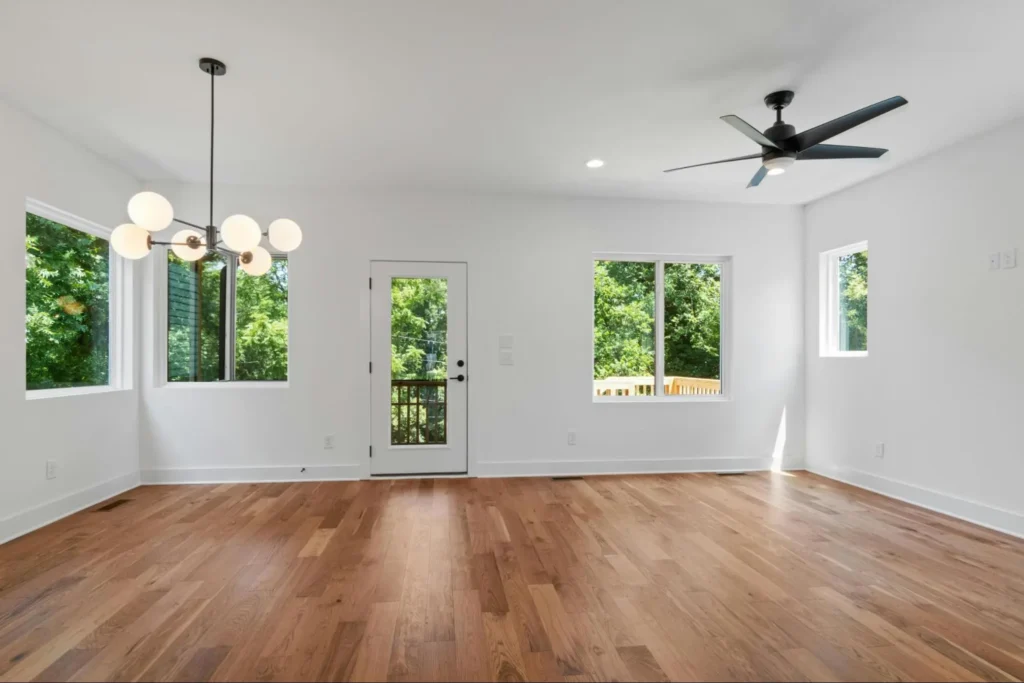
Many guides fail to mention the importance of acclimating solid hardwood before installation. Since wood expands and contracts with temperature and humidity changes, allowing the planks to adjust to the indoor environment for at least 72 hours before installation can prevent future issues such as warping or gaps.
Use a moisture meter to check the concrete’s moisture levels. The moisture content should be below 4% for a successful installation. Consider using a moisture barrier or sealing the concrete if it is too high.
Lay a 6-mil polyethene vapour retarder over the concrete, overlapping the seams by at least six inches. Secure the edges with tape to prevent moisture from seeping through.
Choose an appropriate underlayment that provides soundproofing and moisture protection. Foam or cork underlayments are commonly used to provide a buffer between the concrete and the flooring.

Consider installing a plywood subfloor over the moisture barrier and underlayment for a more stable floating installation. Secure the plywood with adhesive or floating clips to create a sturdy base.
Once the subfloor is ready, begin installing the hardwood planks. If using a click-lock system, ensure the planks interlock securely. Using tongue-and-groove flooring, consider using an adhesive to bond the planks together while allowing for expansion gaps along the edges.
Installing solid hardwood in basements or below-grade areas poses additional risks due to higher moisture levels. These environments are more prone to humidity fluctuations, leading to expansion and contraction. Engineered wood is often a better alternative for such installations.
Even with proper preparation, floating solid hardwood over concrete can present long-term stability issues. Unlike engineered wood, solid hardwood expands and contracts significantly with temperature and humidity changes, potentially leading to gaps or warping over time.
Given the challenges outlined, floating solid hardwood over concrete is not always the best choice. If you are determined to use solid hardwood, alternative installation methods like glue-down or a plywood subfloor might be more effective. However, engineered wood is often better for concrete subfloors due to its enhanced stability and moisture resistance.

Hiring a professional for homeowners unfamiliar with flooring installation can save time and prevent costly mistakes. An experienced installer can assess moisture levels, recommend the best underlayment, and ensure a seamless finish.
While floating solid hardwood over concrete is possible, it has several risks and challenges. Moisture control, proper subfloor preparation, and acclimation are crucial for long-term success. In most cases, engineered wood is a more practical alternative due to its stability and resistance to environmental changes.
If you consider installing a hardwood floor over concrete, explore high-quality engineered wood options for better durability. For expert advice and premium flooring solutions, contact The Flooring Masters today!

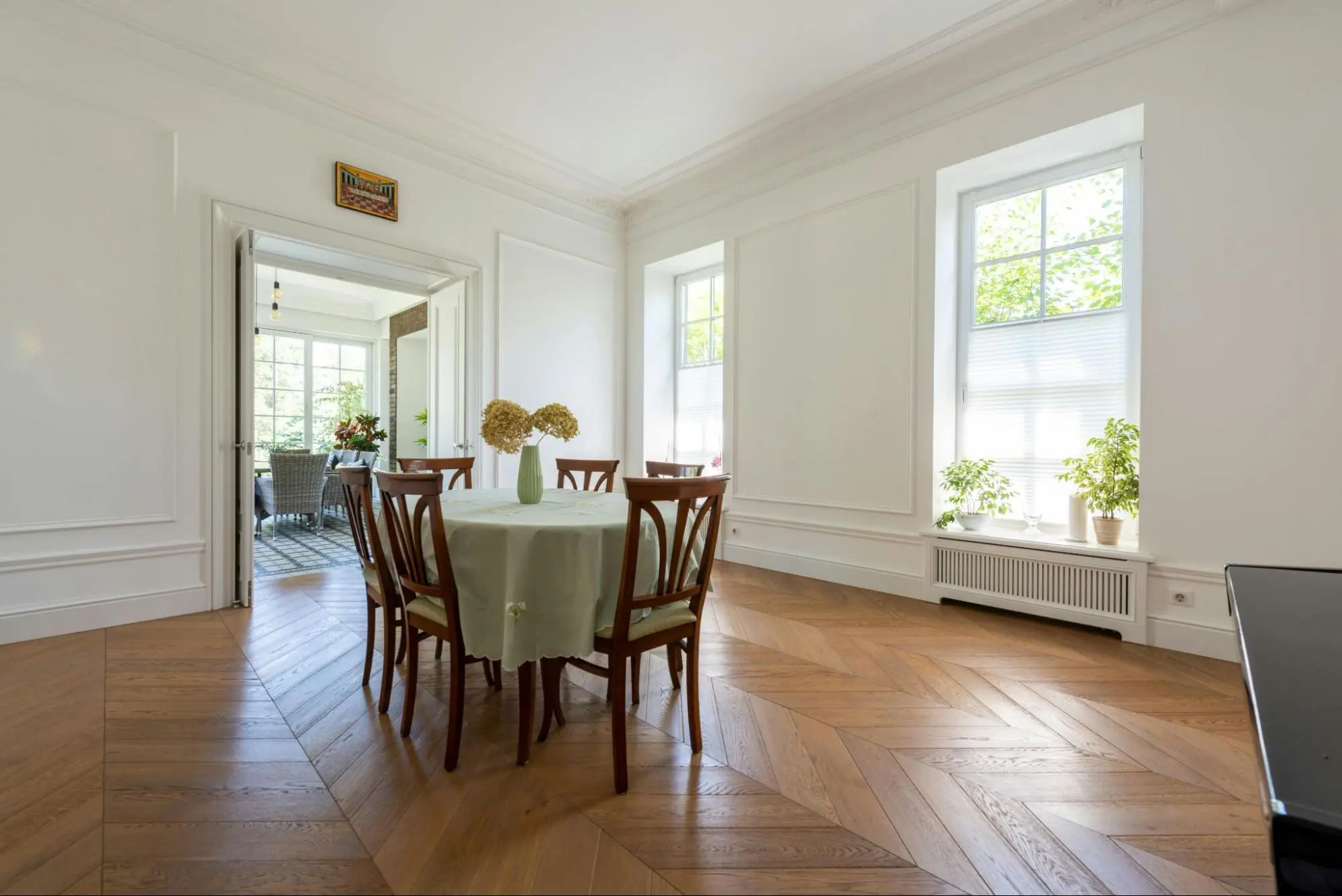
Example One: Rectangle Rooms
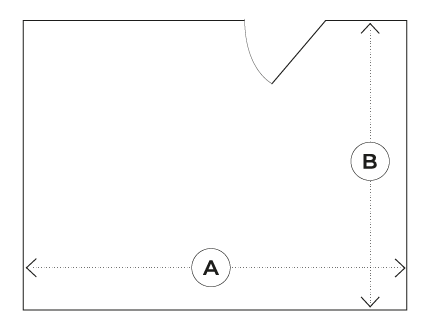
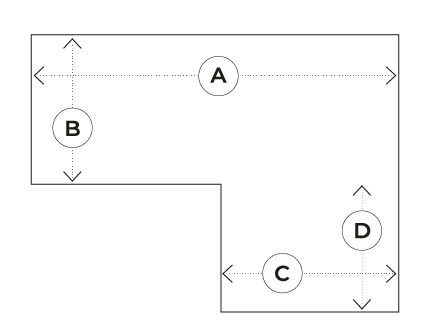
Example Two: Odd Shaped Rooms