Choosing the right flooring for your home can be daunting, especially when deciding between engineered wood and real wood. Both options have advantages, but understanding their differences is crucial in making an informed decision.
Homeowners often grapple with durability, cost, appearance, and maintenance concerns when selecting flooring. While real wood has long been considered the premium choice, engineered wood has gained popularity due to its stability, affordability, and versatility.
In this guide, we’ll break down both options’ key differences, benefits, and potential drawbacks to help you determine the best flooring for your needs.
Engineered wood is a modern flooring solution designed to mimic the appearance of real wood while offering enhanced durability and flexibility. It consists of multiple layers: a top veneer of real hardwood, a core layer of plywood or high-density fibreboard (HDF), and a stabilising bottom layer.
This layered structure makes engineered wood more resistant to changes in temperature and humidity, which is why it has become a preferred option for homeowners looking for a stylish yet practical flooring choice.
Real wood, or solid hardwood flooring, is made entirely from a single piece of natural timber. It is renowned for its rich texture, longevity, and timeless appeal. Since it’s a natural product, it can expand and contract with temperature fluctuations and humidity.
While real wood is valued for its authenticity and ability to be refinished multiple times, it also comes with a higher price tag. It requires more maintenance to preserve its pristine condition.

One of the main drawbacks of real wood is its tendency to absorb moisture, which can lead to warping, swelling, or shrinking over time. On the other hand, engineered wood is designed to handle humidity better, making it ideal for spaces like kitchens, basements, and bathrooms where moisture levels fluctuate.
For many homeowners, budget plays a significant role in flooring decisions. Engineered wood offers the luxurious look of real wood at a more affordable price. Thanks to advanced manufacturing techniques, it can replicate real wood’s natural grain and texture, allowing you to achieve an elegant aesthetic without the hefty cost.
Engineered wood is constructed to resist warping, expanding, and contracting, making it a more stable flooring choice than real wood. This means it’s well-suited for homes in regions with fluctuating temperatures and humidity, ensuring your floors remain in top condition for years.

Unlike real wood, which often requires professional installation, engineered wood offers multiple installation methods, including floating, glue-down, and nail-down options. Additionally, engineered wood is compatible with underfloor heating systems, making it an excellent choice for modern homes seeking extra warmth and comfort.
Sustainability is becoming an essential factor in home improvement decisions. Engineered wood utilises less natural hardwood compared to real wood planks, making it a more eco-conscious option. Many engineered wood products are also sourced from responsibly managed forests and incorporate recycled materials, reducing their overall environmental impact.
While engineered wood has numerous advantages, it’s essential to consider its limitations:
Limited Refinishing Potential – Unlike real wood, which can be sanded and refinished multiple times, engineered wood can only be refinished a few times (depending on the thickness of the top veneer).
Quality Varies – Lower-quality engineered wood options may have thin veneers and weak cores, reducing their durability. Choosing a high-quality product from a trusted supplier is crucial.
Perceived as Less Prestigious – Some buyers still consider real wood the gold standard for flooring due to its traditional appeal and longevity.

Many people assume that engineered wood is an imitation, but it features a top layer of genuine hardwood, giving it the same aesthetic appeal as real wood.
High-quality engineered wood can last for decades with proper care. Some premium engineered floors come with warranties of 25 years or more.
While some engineered wood products contain adhesives and bonding agents, advances in manufacturing have led to more eco-friendly options with low-VOC (volatile organic compound) emissions, making them safe for indoor use.
Choosing between engineered wood and real wood ultimately depends on your specific needs and lifestyle:
Both engineered wood and genuine wood offer distinct advantages, but engineered wood is a versatile, budget-friendly, and sustainable option for modern homes. By weighing the pros and cons of each, you can confidently choose the flooring that best suits your lifestyle and preferences.
If you’re considering engineered wood flooring, explore The Flooring Masters‘ premium collection for engineered wood flooring. We offer high-quality engineered wood options that combine style, durability, and affordability. Request a free sample today and see the difference for yourself!

Example One: Rectangle Rooms
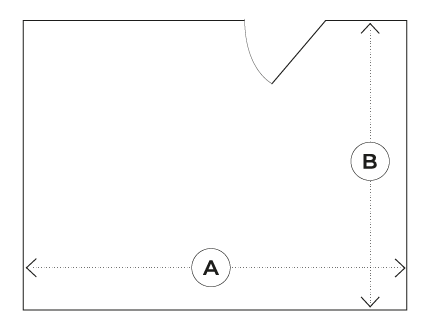
Example Two: Odd Shaped Rooms