





Save 21%
Nihon Natural is a warm, mid-tone natural engineered walnut flooring. Each board has a 3 mm real walnut top layer
Nihon Natural Lacquered Rustic Engineered Walnut Flooring 14/3 x 148mm
Engineered Wood Flooring Dark Engineered Wood Flooring 14mm Engineered Wood Flooring Wood Flooring Bedroom Wood Flooring Conservatory Engineered Wood Flooring Dark Wood Flooring Engineered Walnut Flooring Glue Down Engineered Wood Flooring Hallway Wood Flooring Kitchen Engineered Wood Flooring Kitchen Wood Flooring Lacquered Engineered Wood Flooring Living Room Wood Flooring Medium Engineered Wood Flooring Rustic Engineered Wood Flooring Tongue & Groove Engineered Wood Flooring Walnut Flooring Bedroom Flooring Conservatory Flooring Dark Flooring Dining Room Flooring Free Flooring Samples Hallway Flooring Kitchen Flooring Living Room Flooring Pet Friendly Flooring
Original price was £77.99 per square metre.£61.99
Save 21%

Save 18%
Suprima Natural gives a room a warm, mid-tone look that never dates. This natural engineered walnut flooring 190mm has a
Suprima Natural Lacquered Rustic Engineered Walnut Flooring 15/4 x 190mm, Rustic grade
Engineered Wood Flooring Brown Engineered Wood Flooring 15mm Engineered Wood Flooring Wood Flooring Bedroom Wood Flooring Conservatory Engineered Wood Flooring Dark Engineered Wood Flooring Dark Wood Flooring Engineered Walnut Flooring Engineered Wood Flooring 4mm Wear Layer Glue Down Engineered Wood Flooring Hallway Wood Flooring Kitchen Engineered Wood Flooring Kitchen Wood Flooring Lacquered Engineered Wood Flooring Living Room Wood Flooring Medium Engineered Wood Flooring Rustic Engineered Wood Flooring Tongue & Groove Engineered Wood Flooring Walnut Flooring Wide Plank Engineered Wood Flooring Bedroom Flooring Conservatory Flooring Dark Flooring Dining Room Flooring Free Flooring Samples Hallway Flooring Kitchen Flooring Living Room Flooring Pet Friendly Flooring
Original price was £82.99 per square metre.£67.99
Save 18%

Save 30%
Suprima Natural gives a room a warm, mid-tone look that never dates. This natural engineered walnut flooring 220mm has a
Suprima Natural Lacquered Rustic Engineered Walnut Flooring 15/4 x 220mm
Engineered Wood Flooring Dark Engineered Wood Flooring 15mm Engineered Wood Flooring Wood Flooring Bedroom Wood Flooring Conservatory Engineered Wood Flooring Dark Wood Flooring Engineered Walnut Flooring Engineered Wood Flooring 4mm Wear Layer Glue Down Engineered Wood Flooring Hallway Wood Flooring Kitchen Engineered Wood Flooring Kitchen Wood Flooring Lacquered Engineered Wood Flooring Living Room Wood Flooring Medium Engineered Wood Flooring Rustic Engineered Wood Flooring Tongue & Groove Engineered Wood Flooring Walnut Flooring Wide Plank Engineered Wood Flooring Bedroom Flooring Conservatory Flooring Dark Flooring Dining Room Flooring Free Flooring Samples Hallway Flooring Kitchen Flooring Living Room Flooring Pet Friendly Flooring
Original price was £111.99 per square metre.£77.99
Save 30%

Save 21%
Suprima Natural gives a room a warm, mid-tone look that never dates. This natural engineered walnut flooring 189mm has a
Suprima Natural Lacquered Rustic Engineered Walnut Flooring 20/6 x 189mm
Engineered Wood Flooring Brown Engineered Wood Flooring 20mm Engineered Wood Flooring Wood Flooring Bedroom Wood Flooring Conservatory Engineered Wood Flooring Dark Engineered Wood Flooring Dark Wood Flooring Engineered Walnut Flooring Engineered Wood Flooring 6mm Wear Layer Glue Down Engineered Wood Flooring Hallway Wood Flooring Kitchen Engineered Wood Flooring Kitchen Wood Flooring Lacquered Engineered Wood Flooring Living Room Wood Flooring Medium Engineered Wood Flooring Rustic Engineered Wood Flooring Tongue & Groove Engineered Wood Flooring Walnut Flooring Wide Plank Engineered Wood Flooring Bedroom Flooring Conservatory Flooring Dark Flooring Dining Room Flooring Free Flooring Samples Hallway Flooring Kitchen Flooring Living Room Flooring Pet Friendly Flooring
Original price was £106.99 per square metre.£84.99
Save 21%

Save 40%
Suprima Natural is a warm, mid-tone natural rustic engineered walnut flooring. Each board has a 6 mm real walnut top
Suprima Natural Lacquered Rustic Engineered Walnut Flooring 20/6 x 190mm
Engineered Wood Flooring Dark Engineered Wood Flooring 20mm Engineered Wood Flooring Wood Flooring Bedroom Wood Flooring Conservatory Engineered Wood Flooring Dark Wood Flooring Engineered Walnut Flooring Engineered Wood Flooring 6mm Wear Layer Glue Down Engineered Wood Flooring Hallway Wood Flooring Kitchen Engineered Wood Flooring Kitchen Wood Flooring Lacquered Engineered Wood Flooring Living Room Wood Flooring Medium Engineered Wood Flooring Rustic Engineered Wood Flooring Tongue & Groove Engineered Wood Flooring Walnut Flooring Wide Plank Engineered Wood Flooring Bedroom Flooring Conservatory Flooring Dark Flooring Dining Room Flooring Free Flooring Samples Hallway Flooring Kitchen Flooring Living Room Flooring Pet Friendly Flooring
Original price was £141.99 per square metre.£84.99
Save 40%

Save 25%
Suprima Natural gives a room a warm, mid-tone look that never dates. This natural engineered walnut flooring 240mm has a
Suprima Natural Lacquered Rustic Engineered Walnut Flooring 20/6 x 240mm, 2200mm long
Engineered Wood Flooring Dark Engineered Wood Flooring 20mm Engineered Wood Flooring Wood Flooring Bedroom Wood Flooring Conservatory Engineered Wood Flooring Dark Wood Flooring Engineered Walnut Flooring Engineered Wood Flooring 6mm Wear Layer Glue Down Engineered Wood Flooring Hallway Wood Flooring Kitchen Engineered Wood Flooring Kitchen Wood Flooring Lacquered Engineered Wood Flooring Living Room Wood Flooring Medium Engineered Wood Flooring Rustic Engineered Wood Flooring Tongue & Groove Engineered Wood Flooring Walnut Flooring Wide Plank Engineered Wood Flooring Bedroom Flooring Conservatory Flooring Dark Flooring Dining Room Flooring Free Flooring Samples Hallway Flooring Kitchen Flooring Living Room Flooring Pet Friendly Flooring
Original price was £129.99 per square metre.£96.99
Save 25%

Save 26%
Suprima Natural is a warm, mid-tone natural walnut herringbone flooring 150mm laid in the classic zig-zag herringbone pattern. Each board
Suprima Natural Lacquered Rustic Engineered Walnut Herringbone Flooring 14/3 x 150mm
Engineered Wood Flooring Herringbone Engineered Wood Flooring 14mm Engineered Wood Flooring Wood Flooring Bedroom Wood Flooring Conservatory Engineered Wood Flooring Dark Engineered Wood Flooring Parquet Flooring Dark Parquet Flooring Dark Wood Flooring Engineered Parquet Flooring Engineered Walnut Flooring Glue Down Engineered Wood Flooring Hallway Wood Flooring Herringbone Flooring Herringbone Wood Flooring Kitchen Engineered Wood Flooring Kitchen Wood Flooring Lacquered Engineered Wood Flooring Living Room Wood Flooring Medium Engineered Wood Flooring Parquet Kitchen Flooring Rustic Engineered Wood Flooring Tongue & Groove Engineered Wood Flooring Walnut Flooring Walnut Herringbone Flooring Bedroom Flooring Conservatory Flooring Dark Flooring Dining Room Flooring Free Flooring Samples Hallway Flooring Kitchen Flooring Living Room Flooring Pet Friendly Flooring
Original price was £97.99 per square metre.£72.99
Save 26%

Save 19%
Full of character, Suprima Natural is a natural rustic walnut herringbone flooring laid in the classic zig-zag herringbone pattern with
Suprima Natural Lacquered Rustic Engineered Walnut Herringbone Flooring 18/4 x 150mm, 600mm long
Engineered Wood Flooring Herringbone Engineered Wood Flooring 18mm Engineered Wood Flooring Wood Flooring Bedroom Wood Flooring Conservatory Engineered Wood Flooring Dark Engineered Wood Flooring Parquet Flooring Dark Parquet Flooring Dark Wood Flooring Engineered Parquet Flooring Engineered Walnut Flooring Engineered Wood Flooring 4mm Wear Layer Glue Down Engineered Wood Flooring Hallway Wood Flooring Herringbone Flooring Herringbone Wood Flooring Kitchen Engineered Wood Flooring Kitchen Wood Flooring Lacquered Engineered Wood Flooring Living Room Wood Flooring Medium Engineered Wood Flooring Parquet Kitchen Flooring Rustic Engineered Wood Flooring Tongue & Groove Engineered Wood Flooring Walnut Flooring Walnut Herringbone Flooring Bedroom Flooring Conservatory Flooring Dark Flooring Dining Room Flooring Free Flooring Samples Hallway Flooring Kitchen Flooring Living Room Flooring Pet Friendly Flooring
Original price was £96.99 per square metre.£78.99
Save 19%

Save 15%
Full of character, Suprima Natural is a natural walnut herringbone flooring laid in the classic zig-zag herringbone pattern with a
Suprima Natural Lacquered Rustic Engineered Walnut Herringbone Flooring 18/4 x 90mm
Engineered Wood Flooring Herringbone Engineered Wood Flooring 18mm Engineered Wood Flooring Wood Flooring Bedroom Wood Flooring Conservatory Engineered Wood Flooring Dark Engineered Wood Flooring Parquet Flooring Dark Parquet Flooring Dark Wood Flooring Engineered Parquet Flooring Engineered Walnut Flooring Engineered Wood Flooring 4mm Wear Layer Glue Down Engineered Wood Flooring Hallway Wood Flooring Herringbone Flooring Herringbone Wood Flooring Kitchen Engineered Wood Flooring Kitchen Wood Flooring Lacquered Engineered Wood Flooring Living Room Wood Flooring Medium Engineered Wood Flooring Parquet Kitchen Flooring Rustic Engineered Wood Flooring Tongue & Groove Engineered Wood Flooring Walnut Flooring Walnut Herringbone Flooring Bedroom Flooring Conservatory Flooring Dark Flooring Dining Room Flooring Free Flooring Samples Hallway Flooring Kitchen Flooring Living Room Flooring Pet Friendly Flooring
Original price was £85.99 per square metre.£72.98
Save 15%

Save 15%
Full of character, Suprima Natural is a natural walnut parquet panels laid in the classic zig-zag herringbone pattern with a
Suprima Natural Oiled Rustic Engineered Walnut Parquet Panel Flooring 20/6 x 580mm
Engineered Wood Flooring Engineered Parquet Flooring 20mm Engineered Wood Flooring Wood Flooring Bedroom Wood Flooring Conservatory Engineered Wood Flooring Dark Engineered Wood Flooring Parquet Flooring Dark Parquet Flooring Dark Wood Flooring Engineered Walnut Flooring Engineered Wood Flooring 6mm Wear Layer Glue Down Engineered Wood Flooring Hallway Wood Flooring Kitchen Engineered Wood Flooring Kitchen Wood Flooring Living Room Wood Flooring Medium Engineered Wood Flooring Oiled Engineered Wood Flooring Parquet Kitchen Flooring Rustic Engineered Wood Flooring Tongue & Groove Engineered Wood Flooring Walnut Flooring Bedroom Flooring Conservatory Flooring Dark Flooring Dining Room Flooring Free Flooring Samples Hallway Flooring Kitchen Flooring Living Room Flooring
Original price was £176.99 per square metre.£149.99
Save 15%
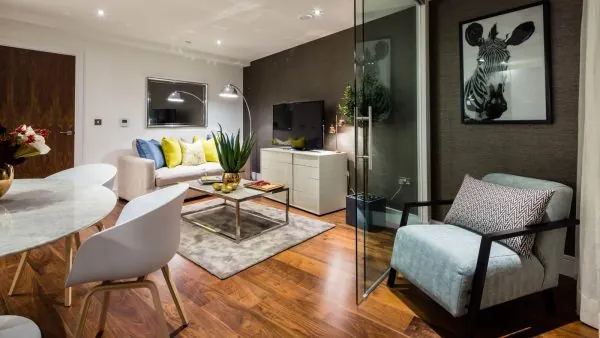
Save 25%
Suprima Walnut gives a room a warm, mid-tone look that never dates. This suprima engineered walnut flooring has a 4
Suprima Walnut Lacquered Rustic Engineered Walnut Flooring 20/4 x 190mm
Engineered Wood Flooring Dark Engineered Wood Flooring 20mm Engineered Wood Flooring Wood Flooring Bedroom Wood Flooring Conservatory Engineered Wood Flooring Dark Wood Flooring Engineered Walnut Flooring Engineered Wood Flooring 4mm Wear Layer Glue Down Engineered Wood Flooring Hallway Wood Flooring Kitchen Engineered Wood Flooring Kitchen Wood Flooring Lacquered Engineered Wood Flooring Living Room Wood Flooring Medium Engineered Wood Flooring Rustic Engineered Wood Flooring Tongue & Groove Engineered Wood Flooring Walnut Flooring Wide Plank Engineered Wood Flooring Bedroom Flooring Conservatory Flooring Dark Flooring Dining Room Flooring Free Flooring Samples Hallway Flooring Kitchen Flooring Living Room Flooring Pet Friendly Flooring
Original price was £84.00 per square metre.£62.99
Save 25%

Save 40%
Full of character, Suprima Walnut is a walnut herringbone flooring 125mm laid in the classic zig-zag herringbone pattern with a
Suprima Walnut Lacquered Select Engineered Walnut Herringbone Flooring 14/3 x 125mm
Engineered Wood Flooring Herringbone Engineered Wood Flooring 14mm Engineered Wood Flooring Wood Flooring Bedroom Wood Flooring Conservatory Engineered Wood Flooring Dark Engineered Wood Flooring Parquet Flooring Dark Parquet Flooring Dark Wood Flooring Engineered Parquet Flooring Engineered Walnut Flooring Glue Down Engineered Wood Flooring Hallway Wood Flooring Herringbone Flooring Herringbone Wood Flooring Kitchen Engineered Wood Flooring Kitchen Wood Flooring Lacquered Engineered Wood Flooring Living Room Wood Flooring Medium Engineered Wood Flooring Parquet Kitchen Flooring Tongue & Groove Engineered Wood Flooring Walnut Flooring Walnut Herringbone Flooring Bedroom Flooring Conservatory Flooring Dark Flooring Dining Room Flooring Free Flooring Samples Hallway Flooring Kitchen Flooring Living Room Flooring Pet Friendly Flooring
Original price was £88.99 per square metre.£52.99
Save 40%
Save 21%
Nihon Natural is a warm, mid-tone natural engineered walnut flooring. Each board has a 3 mm real walnut top layer
Nihon Natural Lacquered Rustic Engineered Walnut Flooring 14/3 x 148mm
Engineered Wood Flooring Dark Engineered Wood Flooring 14mm Engineered Wood Flooring Wood Flooring Bedroom Wood Flooring Conservatory Engineered Wood Flooring Dark Wood Flooring Engineered Walnut Flooring Glue Down Engineered Wood Flooring Hallway Wood Flooring Kitchen Engineered Wood Flooring Kitchen Wood Flooring Lacquered Engineered Wood Flooring Living Room Wood Flooring Medium Engineered Wood Flooring Rustic Engineered Wood Flooring Tongue & Groove Engineered Wood Flooring Walnut Flooring Bedroom Flooring Conservatory Flooring Dark Flooring Dining Room Flooring Free Flooring Samples Hallway Flooring Kitchen Flooring Living Room Flooring Pet Friendly Flooring
Original price was £77.99 per square metre.£61.99
Save 21%
Save 18%
Suprima Natural gives a room a warm, mid-tone look that never dates. This natural engineered walnut flooring 190mm has a
Suprima Natural Lacquered Rustic Engineered Walnut Flooring 15/4 x 190mm, Rustic grade
Engineered Wood Flooring Brown Engineered Wood Flooring 15mm Engineered Wood Flooring Wood Flooring Bedroom Wood Flooring Conservatory Engineered Wood Flooring Dark Engineered Wood Flooring Dark Wood Flooring Engineered Walnut Flooring Engineered Wood Flooring 4mm Wear Layer Glue Down Engineered Wood Flooring Hallway Wood Flooring Kitchen Engineered Wood Flooring Kitchen Wood Flooring Lacquered Engineered Wood Flooring Living Room Wood Flooring Medium Engineered Wood Flooring Rustic Engineered Wood Flooring Tongue & Groove Engineered Wood Flooring Walnut Flooring Wide Plank Engineered Wood Flooring Bedroom Flooring Conservatory Flooring Dark Flooring Dining Room Flooring Free Flooring Samples Hallway Flooring Kitchen Flooring Living Room Flooring Pet Friendly Flooring
Original price was £82.99 per square metre.£67.99
Save 18%
Save 30%
Suprima Natural gives a room a warm, mid-tone look that never dates. This natural engineered walnut flooring 220mm has a
Suprima Natural Lacquered Rustic Engineered Walnut Flooring 15/4 x 220mm
Engineered Wood Flooring Dark Engineered Wood Flooring 15mm Engineered Wood Flooring Wood Flooring Bedroom Wood Flooring Conservatory Engineered Wood Flooring Dark Wood Flooring Engineered Walnut Flooring Engineered Wood Flooring 4mm Wear Layer Glue Down Engineered Wood Flooring Hallway Wood Flooring Kitchen Engineered Wood Flooring Kitchen Wood Flooring Lacquered Engineered Wood Flooring Living Room Wood Flooring Medium Engineered Wood Flooring Rustic Engineered Wood Flooring Tongue & Groove Engineered Wood Flooring Walnut Flooring Wide Plank Engineered Wood Flooring Bedroom Flooring Conservatory Flooring Dark Flooring Dining Room Flooring Free Flooring Samples Hallway Flooring Kitchen Flooring Living Room Flooring Pet Friendly Flooring
Original price was £111.99 per square metre.£77.99
Save 30%
Save 21%
Suprima Natural gives a room a warm, mid-tone look that never dates. This natural engineered walnut flooring 189mm has a
Suprima Natural Lacquered Rustic Engineered Walnut Flooring 20/6 x 189mm
Engineered Wood Flooring Brown Engineered Wood Flooring 20mm Engineered Wood Flooring Wood Flooring Bedroom Wood Flooring Conservatory Engineered Wood Flooring Dark Engineered Wood Flooring Dark Wood Flooring Engineered Walnut Flooring Engineered Wood Flooring 6mm Wear Layer Glue Down Engineered Wood Flooring Hallway Wood Flooring Kitchen Engineered Wood Flooring Kitchen Wood Flooring Lacquered Engineered Wood Flooring Living Room Wood Flooring Medium Engineered Wood Flooring Rustic Engineered Wood Flooring Tongue & Groove Engineered Wood Flooring Walnut Flooring Wide Plank Engineered Wood Flooring Bedroom Flooring Conservatory Flooring Dark Flooring Dining Room Flooring Free Flooring Samples Hallway Flooring Kitchen Flooring Living Room Flooring Pet Friendly Flooring
Original price was £106.99 per square metre.£84.99
Save 21%
Save 40%
Suprima Natural is a warm, mid-tone natural rustic engineered walnut flooring. Each board has a 6 mm real walnut top
Suprima Natural Lacquered Rustic Engineered Walnut Flooring 20/6 x 190mm
Engineered Wood Flooring Dark Engineered Wood Flooring 20mm Engineered Wood Flooring Wood Flooring Bedroom Wood Flooring Conservatory Engineered Wood Flooring Dark Wood Flooring Engineered Walnut Flooring Engineered Wood Flooring 6mm Wear Layer Glue Down Engineered Wood Flooring Hallway Wood Flooring Kitchen Engineered Wood Flooring Kitchen Wood Flooring Lacquered Engineered Wood Flooring Living Room Wood Flooring Medium Engineered Wood Flooring Rustic Engineered Wood Flooring Tongue & Groove Engineered Wood Flooring Walnut Flooring Wide Plank Engineered Wood Flooring Bedroom Flooring Conservatory Flooring Dark Flooring Dining Room Flooring Free Flooring Samples Hallway Flooring Kitchen Flooring Living Room Flooring Pet Friendly Flooring
Original price was £141.99 per square metre.£84.99
Save 40%
Save 25%
Suprima Natural gives a room a warm, mid-tone look that never dates. This natural engineered walnut flooring 240mm has a
Suprima Natural Lacquered Rustic Engineered Walnut Flooring 20/6 x 240mm, 2200mm long
Engineered Wood Flooring Dark Engineered Wood Flooring 20mm Engineered Wood Flooring Wood Flooring Bedroom Wood Flooring Conservatory Engineered Wood Flooring Dark Wood Flooring Engineered Walnut Flooring Engineered Wood Flooring 6mm Wear Layer Glue Down Engineered Wood Flooring Hallway Wood Flooring Kitchen Engineered Wood Flooring Kitchen Wood Flooring Lacquered Engineered Wood Flooring Living Room Wood Flooring Medium Engineered Wood Flooring Rustic Engineered Wood Flooring Tongue & Groove Engineered Wood Flooring Walnut Flooring Wide Plank Engineered Wood Flooring Bedroom Flooring Conservatory Flooring Dark Flooring Dining Room Flooring Free Flooring Samples Hallway Flooring Kitchen Flooring Living Room Flooring Pet Friendly Flooring
Original price was £129.99 per square metre.£96.99
Save 25%
Save 26%
Suprima Natural is a warm, mid-tone natural walnut herringbone flooring 150mm laid in the classic zig-zag herringbone pattern. Each board
Suprima Natural Lacquered Rustic Engineered Walnut Herringbone Flooring 14/3 x 150mm
Engineered Wood Flooring Herringbone Engineered Wood Flooring 14mm Engineered Wood Flooring Wood Flooring Bedroom Wood Flooring Conservatory Engineered Wood Flooring Dark Engineered Wood Flooring Parquet Flooring Dark Parquet Flooring Dark Wood Flooring Engineered Parquet Flooring Engineered Walnut Flooring Glue Down Engineered Wood Flooring Hallway Wood Flooring Herringbone Flooring Herringbone Wood Flooring Kitchen Engineered Wood Flooring Kitchen Wood Flooring Lacquered Engineered Wood Flooring Living Room Wood Flooring Medium Engineered Wood Flooring Parquet Kitchen Flooring Rustic Engineered Wood Flooring Tongue & Groove Engineered Wood Flooring Walnut Flooring Walnut Herringbone Flooring Bedroom Flooring Conservatory Flooring Dark Flooring Dining Room Flooring Free Flooring Samples Hallway Flooring Kitchen Flooring Living Room Flooring Pet Friendly Flooring
Original price was £97.99 per square metre.£72.99
Save 26%
Save 19%
Full of character, Suprima Natural is a natural rustic walnut herringbone flooring laid in the classic zig-zag herringbone pattern with
Suprima Natural Lacquered Rustic Engineered Walnut Herringbone Flooring 18/4 x 150mm, 600mm long
Engineered Wood Flooring Herringbone Engineered Wood Flooring 18mm Engineered Wood Flooring Wood Flooring Bedroom Wood Flooring Conservatory Engineered Wood Flooring Dark Engineered Wood Flooring Parquet Flooring Dark Parquet Flooring Dark Wood Flooring Engineered Parquet Flooring Engineered Walnut Flooring Engineered Wood Flooring 4mm Wear Layer Glue Down Engineered Wood Flooring Hallway Wood Flooring Herringbone Flooring Herringbone Wood Flooring Kitchen Engineered Wood Flooring Kitchen Wood Flooring Lacquered Engineered Wood Flooring Living Room Wood Flooring Medium Engineered Wood Flooring Parquet Kitchen Flooring Rustic Engineered Wood Flooring Tongue & Groove Engineered Wood Flooring Walnut Flooring Walnut Herringbone Flooring Bedroom Flooring Conservatory Flooring Dark Flooring Dining Room Flooring Free Flooring Samples Hallway Flooring Kitchen Flooring Living Room Flooring Pet Friendly Flooring
Original price was £96.99 per square metre.£78.99
Save 19%
Save 15%
Full of character, Suprima Natural is a natural walnut herringbone flooring laid in the classic zig-zag herringbone pattern with a
Suprima Natural Lacquered Rustic Engineered Walnut Herringbone Flooring 18/4 x 90mm
Engineered Wood Flooring Herringbone Engineered Wood Flooring 18mm Engineered Wood Flooring Wood Flooring Bedroom Wood Flooring Conservatory Engineered Wood Flooring Dark Engineered Wood Flooring Parquet Flooring Dark Parquet Flooring Dark Wood Flooring Engineered Parquet Flooring Engineered Walnut Flooring Engineered Wood Flooring 4mm Wear Layer Glue Down Engineered Wood Flooring Hallway Wood Flooring Herringbone Flooring Herringbone Wood Flooring Kitchen Engineered Wood Flooring Kitchen Wood Flooring Lacquered Engineered Wood Flooring Living Room Wood Flooring Medium Engineered Wood Flooring Parquet Kitchen Flooring Rustic Engineered Wood Flooring Tongue & Groove Engineered Wood Flooring Walnut Flooring Walnut Herringbone Flooring Bedroom Flooring Conservatory Flooring Dark Flooring Dining Room Flooring Free Flooring Samples Hallway Flooring Kitchen Flooring Living Room Flooring Pet Friendly Flooring
Original price was £85.99 per square metre.£72.98
Save 15%
Save 15%
Full of character, Suprima Natural is a natural walnut parquet panels laid in the classic zig-zag herringbone pattern with a
Suprima Natural Oiled Rustic Engineered Walnut Parquet Panel Flooring 20/6 x 580mm
Engineered Wood Flooring Engineered Parquet Flooring 20mm Engineered Wood Flooring Wood Flooring Bedroom Wood Flooring Conservatory Engineered Wood Flooring Dark Engineered Wood Flooring Parquet Flooring Dark Parquet Flooring Dark Wood Flooring Engineered Walnut Flooring Engineered Wood Flooring 6mm Wear Layer Glue Down Engineered Wood Flooring Hallway Wood Flooring Kitchen Engineered Wood Flooring Kitchen Wood Flooring Living Room Wood Flooring Medium Engineered Wood Flooring Oiled Engineered Wood Flooring Parquet Kitchen Flooring Rustic Engineered Wood Flooring Tongue & Groove Engineered Wood Flooring Walnut Flooring Bedroom Flooring Conservatory Flooring Dark Flooring Dining Room Flooring Free Flooring Samples Hallway Flooring Kitchen Flooring Living Room Flooring
Original price was £176.99 per square metre.£149.99
Save 15%
Save 25%
Suprima Walnut gives a room a warm, mid-tone look that never dates. This suprima engineered walnut flooring has a 4
Suprima Walnut Lacquered Rustic Engineered Walnut Flooring 20/4 x 190mm
Engineered Wood Flooring Dark Engineered Wood Flooring 20mm Engineered Wood Flooring Wood Flooring Bedroom Wood Flooring Conservatory Engineered Wood Flooring Dark Wood Flooring Engineered Walnut Flooring Engineered Wood Flooring 4mm Wear Layer Glue Down Engineered Wood Flooring Hallway Wood Flooring Kitchen Engineered Wood Flooring Kitchen Wood Flooring Lacquered Engineered Wood Flooring Living Room Wood Flooring Medium Engineered Wood Flooring Rustic Engineered Wood Flooring Tongue & Groove Engineered Wood Flooring Walnut Flooring Wide Plank Engineered Wood Flooring Bedroom Flooring Conservatory Flooring Dark Flooring Dining Room Flooring Free Flooring Samples Hallway Flooring Kitchen Flooring Living Room Flooring Pet Friendly Flooring
Original price was £84.00 per square metre.£62.99
Save 25%
Save 40%
Full of character, Suprima Walnut is a walnut herringbone flooring 125mm laid in the classic zig-zag herringbone pattern with a
Suprima Walnut Lacquered Select Engineered Walnut Herringbone Flooring 14/3 x 125mm
Engineered Wood Flooring Herringbone Engineered Wood Flooring 14mm Engineered Wood Flooring Wood Flooring Bedroom Wood Flooring Conservatory Engineered Wood Flooring Dark Engineered Wood Flooring Parquet Flooring Dark Parquet Flooring Dark Wood Flooring Engineered Parquet Flooring Engineered Walnut Flooring Glue Down Engineered Wood Flooring Hallway Wood Flooring Herringbone Flooring Herringbone Wood Flooring Kitchen Engineered Wood Flooring Kitchen Wood Flooring Lacquered Engineered Wood Flooring Living Room Wood Flooring Medium Engineered Wood Flooring Parquet Kitchen Flooring Tongue & Groove Engineered Wood Flooring Walnut Flooring Walnut Herringbone Flooring Bedroom Flooring Conservatory Flooring Dark Flooring Dining Room Flooring Free Flooring Samples Hallway Flooring Kitchen Flooring Living Room Flooring Pet Friendly Flooring
Original price was £88.99 per square metre.£52.99
Save 40%


