





Save 15%
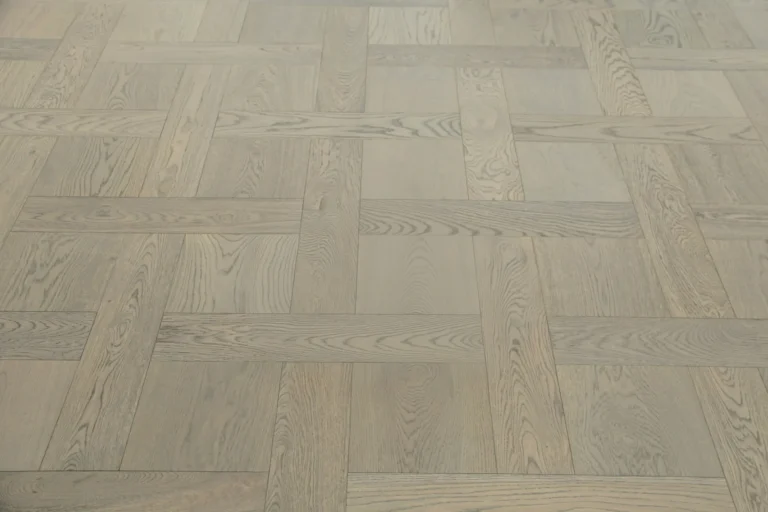
Nihon Charcoal Brushed & Lacquered Select Engineered Oak Basketweave Flooring 15/4 x 125mm
Engineered Wood Flooring Engineered Parquet Flooring 15mm Engineered Wood Flooring Wood Flooring Bedroom Wood Flooring Brushed and Lacquered Engineered Oak Flooring Conservatory Engineered Wood Flooring Dark Engineered Wood Flooring Dark Grey Engineered Wood Flooring Dark Oak Flooring Parquet Flooring Dark Parquet Flooring Dark Wood Flooring Engineered Oak Flooring Engineered Wood Flooring 4mm Wear Layer Glue Down Engineered Wood Flooring Grey Engineered Wood Flooring Grey Oak Flooring Grey Parquet Flooring Grey Wood Flooring Hallway Wood Flooring Kitchen Engineered Wood Flooring Kitchen Wood Flooring Living Room Wood Flooring Oak Flooring Oak Parquet Flooring Parquet Kitchen Flooring Tongue & Groove Engineered Wood Flooring Bedroom Flooring Conservatory Flooring Dark Flooring Dining Room Flooring Free Flooring Samples Grey Flooring Hallway Flooring Kitchen Flooring Living Room Flooring Pet Friendly Flooring
Original price was £70.99 per square metre.£59.99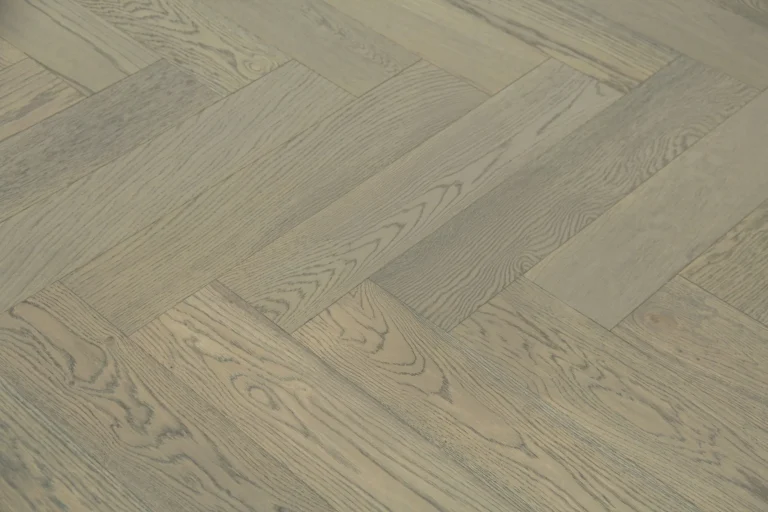
Save 20%
Nihon Charcoal Brushed & Lacquered Select Engineered Oak Herringbone Flooring 15/4 x 125mm
Engineered Wood Flooring Herringbone Engineered Wood Flooring 15mm Engineered Wood Flooring Wood Flooring Bedroom Wood Flooring Brushed and Lacquered Engineered Oak Flooring Conservatory Engineered Wood Flooring Dark Engineered Wood Flooring Dark Grey Engineered Wood Flooring Dark Oak Flooring Parquet Flooring Dark Parquet Flooring Dark Wood Flooring Engineered Oak Flooring Engineered Parquet Flooring Engineered Wood Flooring 4mm Wear Layer Glue Down Engineered Wood Flooring Grey Engineered Wood Flooring Grey Oak Flooring Grey Parquet Flooring Grey Wood Flooring Hallway Wood Flooring Herringbone Flooring Herringbone Wood Flooring Kitchen Engineered Wood Flooring Kitchen Wood Flooring Living Room Wood Flooring Oak Flooring Oak Herringbone Flooring Oak Parquet Flooring Parquet Kitchen Flooring Tongue & Groove Engineered Wood Flooring Bedroom Flooring Conservatory Flooring Dark Flooring Dining Room Flooring Free Flooring Samples Grey Flooring Hallway Flooring Kitchen Flooring Living Room Flooring Pet Friendly Flooring
Original price was £69.99 per square metre.£55.99
Save 25%
Nihon Invisible Brushed & Oiled Select Engineered Oak Basketweave Flooring 15/4 x 125mm
Engineered Wood Flooring Engineered Parquet Flooring 15mm Engineered Wood Flooring Wood Flooring Bedroom Wood Flooring Brushed and Oiled Engineered Oak Flooring Conservatory Engineered Wood Flooring Engineered Oak Flooring Engineered Wood Flooring 4mm Wear Layer Glue Down Engineered Wood Flooring Hallway Wood Flooring Kitchen Engineered Wood Flooring Kitchen Wood Flooring Light Engineered Wood Flooring Light Oak Flooring Parquet Flooring Light Parquet Flooring Living Room Wood Flooring Medium Engineered Wood Flooring Medium Oak Flooring Oak Flooring Oak Parquet Flooring Parquet Kitchen Flooring Tongue & Groove Engineered Wood Flooring Bedroom Flooring Conservatory Flooring Dining Room Flooring Free Flooring Samples Hallway Flooring Kitchen Flooring Light Flooring Living Room Flooring
Original price was £79.99 per square metre.£59.99
Save 25%
Nihon Invisible Brushed & Oiled Select Engineered Oak Herringbone Flooring 15/4 x 125mm
Engineered Wood Flooring Herringbone Engineered Wood Flooring 15mm Engineered Wood Flooring Wood Flooring Bedroom Wood Flooring Brushed and Oiled Engineered Oak Flooring Conservatory Engineered Wood Flooring Engineered Oak Flooring Engineered Parquet Flooring Engineered Wood Flooring 4mm Wear Layer Glue Down Engineered Wood Flooring Hallway Wood Flooring Parquet Flooring Herringbone Flooring Herringbone Wood Flooring Kitchen Engineered Wood Flooring Kitchen Wood Flooring Light Engineered Wood Flooring Light Oak Flooring Light Parquet Flooring Living Room Wood Flooring Medium Engineered Wood Flooring Medium Oak Flooring Oak Flooring Oak Herringbone Flooring Oak Parquet Flooring Parquet Kitchen Flooring Tongue & Groove Engineered Wood Flooring Bedroom Flooring Conservatory Flooring Dining Room Flooring Free Flooring Samples Hallway Flooring Kitchen Flooring Light Flooring Living Room Flooring
Original price was £74.99 per square metre.£55.99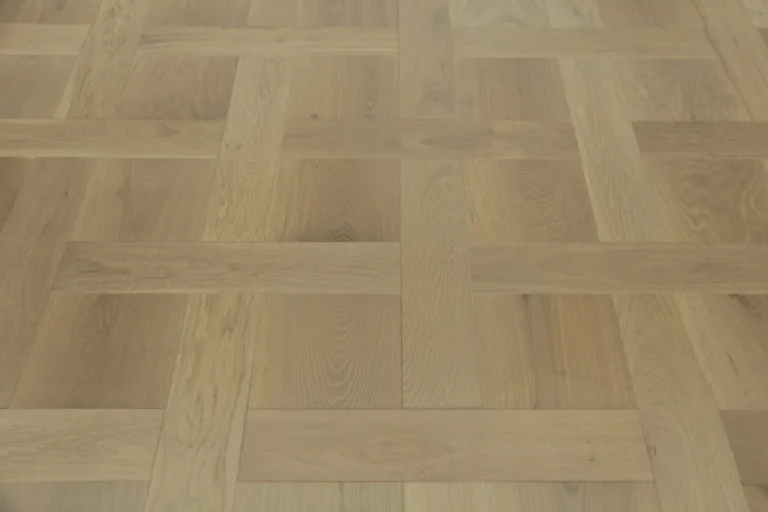
Save 40%
Nihon Light Grey Brushed & Lacquered Select Engineered Oak Basketweave Flooring 15/4 x 125mm
Engineered Wood Flooring Engineered Parquet Flooring 15mm Engineered Wood Flooring Wood Flooring Bedroom Wood Flooring Brushed and Lacquered Engineered Oak Flooring Conservatory Engineered Wood Flooring Engineered Oak Flooring Engineered Wood Flooring 4mm Wear Layer Glue Down Engineered Wood Flooring Grey Engineered Wood Flooring Grey Oak Flooring Parquet Flooring Grey Parquet Flooring Grey Wood Flooring Hallway Wood Flooring Kitchen Engineered Wood Flooring Kitchen Wood Flooring Light Engineered Wood Flooring Light Grey Engineered Wood Flooring Light Oak Flooring Light Parquet Flooring Living Room Wood Flooring Oak Flooring Oak Parquet Flooring Parquet Kitchen Flooring Tongue & Groove Engineered Wood Flooring Bedroom Flooring Conservatory Flooring Dining Room Flooring Free Flooring Samples Grey Flooring Hallway Flooring Kitchen Flooring Light Flooring Living Room Flooring Pet Friendly Flooring
Original price was £100.00 per square metre.£59.99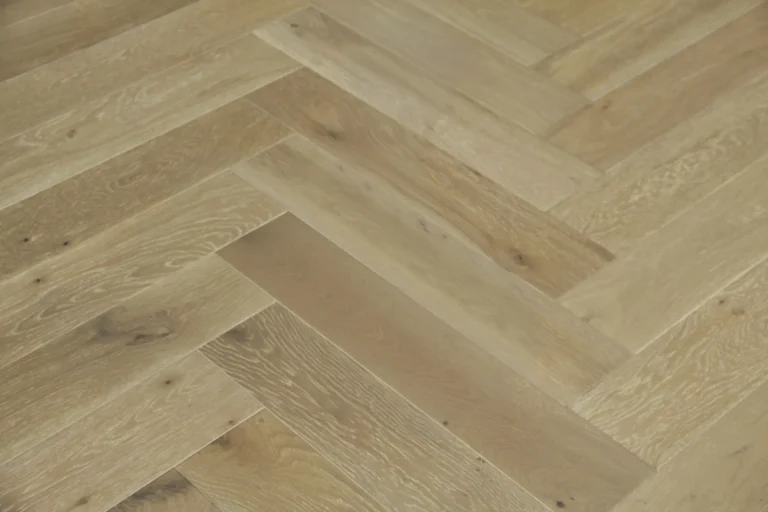
Save 11%
Nihon Light Grey Brushed & Lacquered Select Engineered Oak Herringbone Flooring 15/4 x 125mm
Engineered Wood Flooring Herringbone Engineered Wood Flooring 15mm Engineered Wood Flooring Wood Flooring Bedroom Wood Flooring Brushed and Lacquered Engineered Oak Flooring Conservatory Engineered Wood Flooring Engineered Oak Flooring Engineered Parquet Flooring Engineered Wood Flooring 4mm Wear Layer Glue Down Engineered Wood Flooring Grey Engineered Wood Flooring Grey Oak Flooring Parquet Flooring Grey Parquet Flooring Grey Wood Flooring Hallway Wood Flooring Herringbone Flooring Herringbone Wood Flooring Kitchen Engineered Wood Flooring Kitchen Wood Flooring Light Engineered Wood Flooring Light Grey Engineered Wood Flooring Light Oak Flooring Light Parquet Flooring Living Room Wood Flooring Oak Flooring Oak Herringbone Flooring Oak Parquet Flooring Parquet Kitchen Flooring Tongue & Groove Engineered Wood Flooring Bedroom Flooring Conservatory Flooring Dining Room Flooring Free Flooring Samples Grey Flooring Hallway Flooring Kitchen Flooring Light Flooring Living Room Flooring Pet Friendly Flooring
Original price was £62.99 per square metre.£55.99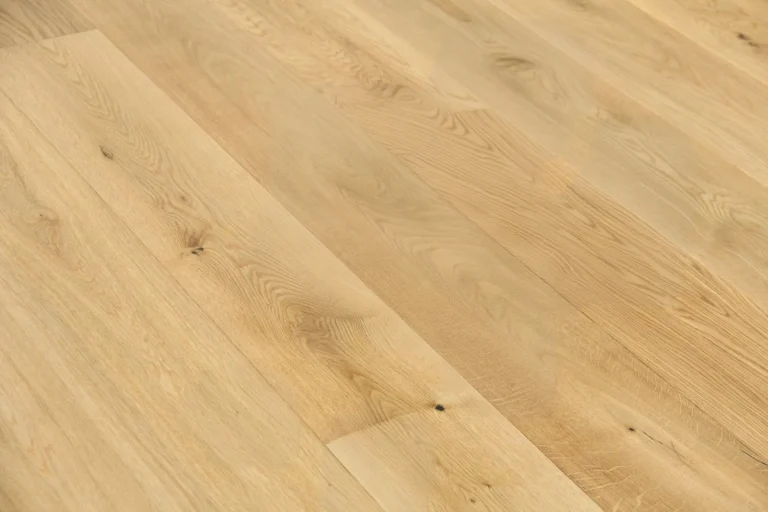
Save 11%
Nihon Natural Brushed & Oiled Select Engineered Oak Flooring 15/4 x 189mm, 1860mm long
Engineered Wood Flooring Brushed and Oiled Engineered Oak Flooring 15mm Engineered Wood Flooring Wood Flooring Bedroom Wood Flooring Click Engineered Wood Flooring Conservatory Engineered Wood Flooring Engineered Oak Flooring Engineered Wood Flooring 4mm Wear Layer Hallway Wood Flooring Kitchen Engineered Wood Flooring Kitchen Wood Flooring Light Engineered Wood Flooring Light Oak Flooring Living Room Wood Flooring Medium Engineered Wood Flooring Medium Oak Flooring Natural Engineered Wood Flooring Natural Oak Flooring Oak Flooring Wide Plank Engineered Wood Flooring Bedroom Flooring Conservatory Flooring Dining Room Flooring DIY Flooring Free Flooring Samples Hallway Flooring Kitchen Flooring Light Flooring Living Room Flooring
Original price was £56.99 per square metre.£50.99
Save 21%
Nihon Natural Brushed Unfinished Select Engineered Oak Basketweave Flooring 15/4 x 125mm
Engineered Wood Flooring Engineered Parquet Flooring 15mm Engineered Wood Flooring Wood Flooring Bedroom Wood Flooring Conservatory Engineered Wood Flooring Engineered Oak Flooring Engineered Wood Flooring 4mm Wear Layer Glue Down Engineered Wood Flooring Hallway Wood Flooring Kitchen Engineered Wood Flooring Kitchen Wood Flooring Light Engineered Wood Flooring Light Oak Flooring Parquet Flooring Light Parquet Flooring Living Room Wood Flooring Medium Engineered Wood Flooring Medium Oak Flooring Natural Engineered Wood Flooring Natural Oak Flooring Oak Flooring Oak Parquet Flooring Parquet Kitchen Flooring Tongue & Groove Engineered Wood Flooring Unfinished Engineered Oak Flooring Unfinished Parquet Flooring Unfinished Wood Flooring Bedroom Flooring Conservatory Flooring Dining Room Flooring Free Flooring Samples Hallway Flooring Kitchen Flooring Light Flooring Living Room Flooring
Original price was £73.00 per square metre.£58.00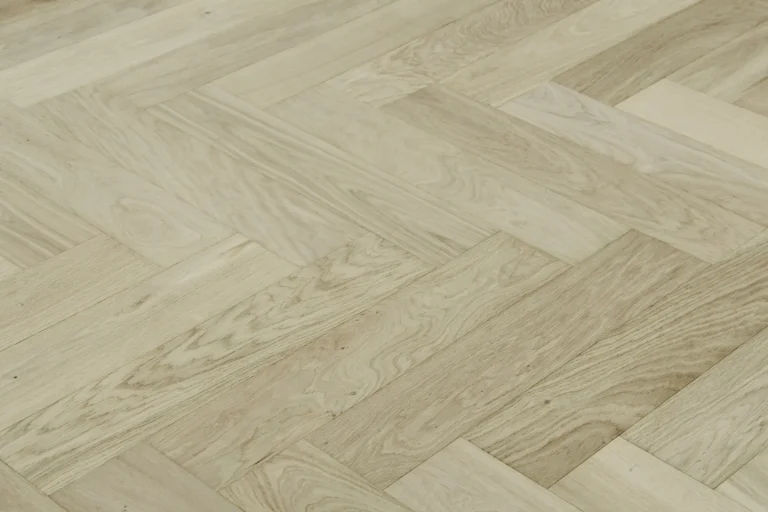
Save 15%
Nihon Natural Brushed Unfinished Select Engineered Oak Herringbone Flooring 15/4 x 125mm
Engineered Wood Flooring Herringbone Engineered Wood Flooring 15mm Engineered Wood Flooring Wood Flooring Bedroom Wood Flooring Conservatory Engineered Wood Flooring Engineered Oak Flooring Engineered Parquet Flooring Engineered Wood Flooring 4mm Wear Layer Glue Down Engineered Wood Flooring Hallway Wood Flooring Parquet Flooring Herringbone Flooring Herringbone Wood Flooring Kitchen Engineered Wood Flooring Kitchen Wood Flooring Light Engineered Wood Flooring Light Oak Flooring Light Parquet Flooring Living Room Wood Flooring Medium Engineered Wood Flooring Medium Oak Flooring Natural Engineered Wood Flooring Natural Oak Flooring Oak Flooring Oak Herringbone Flooring Oak Parquet Flooring Parquet Kitchen Flooring Tongue & Groove Engineered Wood Flooring Unfinished Engineered Oak Flooring Unfinished Parquet Flooring Unfinished Wood Flooring Bedroom Flooring Conservatory Flooring Dining Room Flooring Free Flooring Samples Hallway Flooring Kitchen Flooring Light Flooring Living Room Flooring
Original price was £64.99 per square metre.£54.99
Save 11%
Nihon Natural Lacquered Select Engineered Oak Flooring 15/4 x 189mm, 4mm wear layer
Engineered Wood Flooring Light Engineered Wood Flooring 15mm Engineered Wood Flooring Wood Flooring Bedroom Wood Flooring Click Engineered Wood Flooring Conservatory Engineered Wood Flooring Engineered Oak Flooring Engineered Wood Flooring 4mm Wear Layer Hallway Wood Flooring Kitchen Engineered Wood Flooring Kitchen Wood Flooring Lacquered Engineered Wood Flooring Light Oak Flooring Living Room Wood Flooring Medium Engineered Wood Flooring Medium Oak Flooring Natural Engineered Wood Flooring Natural Oak Flooring Oak Flooring Wide Plank Engineered Wood Flooring Bedroom Flooring Conservatory Flooring Dining Room Flooring DIY Flooring Free Flooring Samples Hallway Flooring Kitchen Flooring Light Flooring Living Room Flooring Pet Friendly Flooring
Original price was £56.99 per square metre.£50.99
Save 26%
Nihon Natural Lacquered Select Engineered Oak Flooring 15/4 x 190mm, Random lengths, 950–1900 mm
Engineered Wood Flooring Light Engineered Wood Flooring 15mm Engineered Wood Flooring Wood Flooring Bedroom Wood Flooring Click Engineered Wood Flooring Conservatory Engineered Wood Flooring Engineered Oak Flooring Engineered Wood Flooring 4mm Wear Layer Hallway Wood Flooring Kitchen Engineered Wood Flooring Kitchen Wood Flooring Lacquered Engineered Wood Flooring Light Oak Flooring Living Room Wood Flooring Medium Engineered Wood Flooring Medium Oak Flooring Natural Engineered Wood Flooring Natural Oak Flooring Oak Flooring Wide Plank Engineered Wood Flooring Bedroom Flooring Conservatory Flooring Dining Room Flooring DIY Flooring Free Flooring Samples Hallway Flooring Kitchen Flooring Light Flooring Living Room Flooring Pet Friendly Flooring
Original price was £65.99 per square metre.£48.99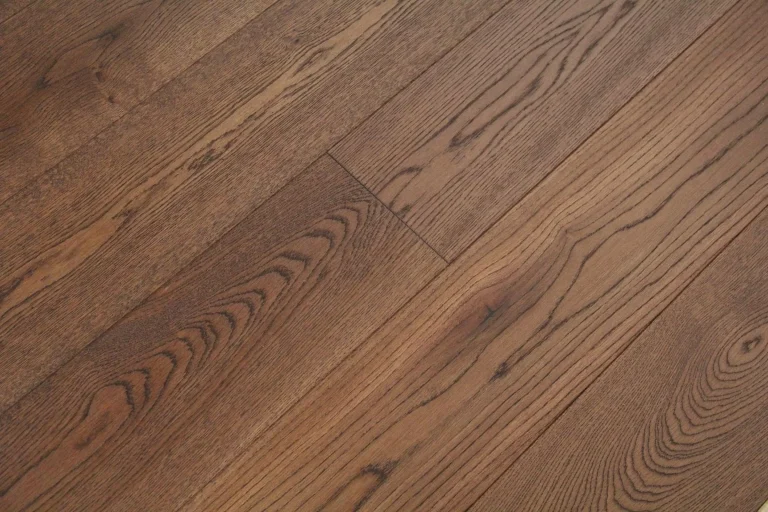
Save 18%
Nihon Walnut Stained Brushed & Oiled Select Engineered Oak Flooring 15/4 x 189mm
Engineered Wood Flooring Brushed and Oiled Engineered Oak Flooring 15mm Engineered Wood Flooring Wood Flooring Bedroom Wood Flooring Brown Engineered Wood Flooring Click Engineered Wood Flooring Conservatory Engineered Wood Flooring Dark Engineered Wood Flooring Dark Oak Flooring Dark Wood Flooring Engineered Oak Flooring Engineered Wood Flooring 4mm Wear Layer Hallway Wood Flooring Kitchen Engineered Wood Flooring Kitchen Wood Flooring Living Room Wood Flooring Oak Flooring Wide Plank Engineered Wood Flooring Bedroom Flooring Conservatory Flooring Dark Flooring Dining Room Flooring DIY Flooring Free Flooring Samples Hallway Flooring Kitchen Flooring Living Room Flooring
Original price was £64.99 per square metre.£52.99
Save 15%
Nihon Charcoal Brushed & Lacquered Select Engineered Oak Basketweave Flooring 15/4 x 125mm
Engineered Wood Flooring Engineered Parquet Flooring 15mm Engineered Wood Flooring Wood Flooring Bedroom Wood Flooring Brushed and Lacquered Engineered Oak Flooring Conservatory Engineered Wood Flooring Dark Engineered Wood Flooring Dark Grey Engineered Wood Flooring Dark Oak Flooring Parquet Flooring Dark Parquet Flooring Dark Wood Flooring Engineered Oak Flooring Engineered Wood Flooring 4mm Wear Layer Glue Down Engineered Wood Flooring Grey Engineered Wood Flooring Grey Oak Flooring Grey Parquet Flooring Grey Wood Flooring Hallway Wood Flooring Kitchen Engineered Wood Flooring Kitchen Wood Flooring Living Room Wood Flooring Oak Flooring Oak Parquet Flooring Parquet Kitchen Flooring Tongue & Groove Engineered Wood Flooring Bedroom Flooring Conservatory Flooring Dark Flooring Dining Room Flooring Free Flooring Samples Grey Flooring Hallway Flooring Kitchen Flooring Living Room Flooring Pet Friendly Flooring
Original price was £70.99 per square metre.£59.99
Save 20%
Nihon Charcoal Brushed & Lacquered Select Engineered Oak Herringbone Flooring 15/4 x 125mm
Engineered Wood Flooring Herringbone Engineered Wood Flooring 15mm Engineered Wood Flooring Wood Flooring Bedroom Wood Flooring Brushed and Lacquered Engineered Oak Flooring Conservatory Engineered Wood Flooring Dark Engineered Wood Flooring Dark Grey Engineered Wood Flooring Dark Oak Flooring Parquet Flooring Dark Parquet Flooring Dark Wood Flooring Engineered Oak Flooring Engineered Parquet Flooring Engineered Wood Flooring 4mm Wear Layer Glue Down Engineered Wood Flooring Grey Engineered Wood Flooring Grey Oak Flooring Grey Parquet Flooring Grey Wood Flooring Hallway Wood Flooring Herringbone Flooring Herringbone Wood Flooring Kitchen Engineered Wood Flooring Kitchen Wood Flooring Living Room Wood Flooring Oak Flooring Oak Herringbone Flooring Oak Parquet Flooring Parquet Kitchen Flooring Tongue & Groove Engineered Wood Flooring Bedroom Flooring Conservatory Flooring Dark Flooring Dining Room Flooring Free Flooring Samples Grey Flooring Hallway Flooring Kitchen Flooring Living Room Flooring Pet Friendly Flooring
Original price was £69.99 per square metre.£55.99
Save 25%
Nihon Invisible Brushed & Oiled Select Engineered Oak Basketweave Flooring 15/4 x 125mm
Engineered Wood Flooring Engineered Parquet Flooring 15mm Engineered Wood Flooring Wood Flooring Bedroom Wood Flooring Brushed and Oiled Engineered Oak Flooring Conservatory Engineered Wood Flooring Engineered Oak Flooring Engineered Wood Flooring 4mm Wear Layer Glue Down Engineered Wood Flooring Hallway Wood Flooring Kitchen Engineered Wood Flooring Kitchen Wood Flooring Light Engineered Wood Flooring Light Oak Flooring Parquet Flooring Light Parquet Flooring Living Room Wood Flooring Medium Engineered Wood Flooring Medium Oak Flooring Oak Flooring Oak Parquet Flooring Parquet Kitchen Flooring Tongue & Groove Engineered Wood Flooring Bedroom Flooring Conservatory Flooring Dining Room Flooring Free Flooring Samples Hallway Flooring Kitchen Flooring Light Flooring Living Room Flooring
Original price was £79.99 per square metre.£59.99
Save 25%
Nihon Invisible Brushed & Oiled Select Engineered Oak Herringbone Flooring 15/4 x 125mm
Engineered Wood Flooring Herringbone Engineered Wood Flooring 15mm Engineered Wood Flooring Wood Flooring Bedroom Wood Flooring Brushed and Oiled Engineered Oak Flooring Conservatory Engineered Wood Flooring Engineered Oak Flooring Engineered Parquet Flooring Engineered Wood Flooring 4mm Wear Layer Glue Down Engineered Wood Flooring Hallway Wood Flooring Parquet Flooring Herringbone Flooring Herringbone Wood Flooring Kitchen Engineered Wood Flooring Kitchen Wood Flooring Light Engineered Wood Flooring Light Oak Flooring Light Parquet Flooring Living Room Wood Flooring Medium Engineered Wood Flooring Medium Oak Flooring Oak Flooring Oak Herringbone Flooring Oak Parquet Flooring Parquet Kitchen Flooring Tongue & Groove Engineered Wood Flooring Bedroom Flooring Conservatory Flooring Dining Room Flooring Free Flooring Samples Hallway Flooring Kitchen Flooring Light Flooring Living Room Flooring
Original price was £74.99 per square metre.£55.99
Save 40%
Nihon Light Grey Brushed & Lacquered Select Engineered Oak Basketweave Flooring 15/4 x 125mm
Engineered Wood Flooring Engineered Parquet Flooring 15mm Engineered Wood Flooring Wood Flooring Bedroom Wood Flooring Brushed and Lacquered Engineered Oak Flooring Conservatory Engineered Wood Flooring Engineered Oak Flooring Engineered Wood Flooring 4mm Wear Layer Glue Down Engineered Wood Flooring Grey Engineered Wood Flooring Grey Oak Flooring Parquet Flooring Grey Parquet Flooring Grey Wood Flooring Hallway Wood Flooring Kitchen Engineered Wood Flooring Kitchen Wood Flooring Light Engineered Wood Flooring Light Grey Engineered Wood Flooring Light Oak Flooring Light Parquet Flooring Living Room Wood Flooring Oak Flooring Oak Parquet Flooring Parquet Kitchen Flooring Tongue & Groove Engineered Wood Flooring Bedroom Flooring Conservatory Flooring Dining Room Flooring Free Flooring Samples Grey Flooring Hallway Flooring Kitchen Flooring Light Flooring Living Room Flooring Pet Friendly Flooring
Original price was £100.00 per square metre.£59.99
Save 11%
Nihon Light Grey Brushed & Lacquered Select Engineered Oak Herringbone Flooring 15/4 x 125mm
Engineered Wood Flooring Herringbone Engineered Wood Flooring 15mm Engineered Wood Flooring Wood Flooring Bedroom Wood Flooring Brushed and Lacquered Engineered Oak Flooring Conservatory Engineered Wood Flooring Engineered Oak Flooring Engineered Parquet Flooring Engineered Wood Flooring 4mm Wear Layer Glue Down Engineered Wood Flooring Grey Engineered Wood Flooring Grey Oak Flooring Parquet Flooring Grey Parquet Flooring Grey Wood Flooring Hallway Wood Flooring Herringbone Flooring Herringbone Wood Flooring Kitchen Engineered Wood Flooring Kitchen Wood Flooring Light Engineered Wood Flooring Light Grey Engineered Wood Flooring Light Oak Flooring Light Parquet Flooring Living Room Wood Flooring Oak Flooring Oak Herringbone Flooring Oak Parquet Flooring Parquet Kitchen Flooring Tongue & Groove Engineered Wood Flooring Bedroom Flooring Conservatory Flooring Dining Room Flooring Free Flooring Samples Grey Flooring Hallway Flooring Kitchen Flooring Light Flooring Living Room Flooring Pet Friendly Flooring
Original price was £62.99 per square metre.£55.99
Save 11%
Nihon Natural Brushed & Oiled Select Engineered Oak Flooring 15/4 x 189mm, 1860mm long
Engineered Wood Flooring Brushed and Oiled Engineered Oak Flooring 15mm Engineered Wood Flooring Wood Flooring Bedroom Wood Flooring Click Engineered Wood Flooring Conservatory Engineered Wood Flooring Engineered Oak Flooring Engineered Wood Flooring 4mm Wear Layer Hallway Wood Flooring Kitchen Engineered Wood Flooring Kitchen Wood Flooring Light Engineered Wood Flooring Light Oak Flooring Living Room Wood Flooring Medium Engineered Wood Flooring Medium Oak Flooring Natural Engineered Wood Flooring Natural Oak Flooring Oak Flooring Wide Plank Engineered Wood Flooring Bedroom Flooring Conservatory Flooring Dining Room Flooring DIY Flooring Free Flooring Samples Hallway Flooring Kitchen Flooring Light Flooring Living Room Flooring
Original price was £56.99 per square metre.£50.99
Save 21%
Nihon Natural Brushed Unfinished Select Engineered Oak Basketweave Flooring 15/4 x 125mm
Engineered Wood Flooring Engineered Parquet Flooring 15mm Engineered Wood Flooring Wood Flooring Bedroom Wood Flooring Conservatory Engineered Wood Flooring Engineered Oak Flooring Engineered Wood Flooring 4mm Wear Layer Glue Down Engineered Wood Flooring Hallway Wood Flooring Kitchen Engineered Wood Flooring Kitchen Wood Flooring Light Engineered Wood Flooring Light Oak Flooring Parquet Flooring Light Parquet Flooring Living Room Wood Flooring Medium Engineered Wood Flooring Medium Oak Flooring Natural Engineered Wood Flooring Natural Oak Flooring Oak Flooring Oak Parquet Flooring Parquet Kitchen Flooring Tongue & Groove Engineered Wood Flooring Unfinished Engineered Oak Flooring Unfinished Parquet Flooring Unfinished Wood Flooring Bedroom Flooring Conservatory Flooring Dining Room Flooring Free Flooring Samples Hallway Flooring Kitchen Flooring Light Flooring Living Room Flooring
Original price was £73.00 per square metre.£58.00
Save 15%
Nihon Natural Brushed Unfinished Select Engineered Oak Herringbone Flooring 15/4 x 125mm
Engineered Wood Flooring Herringbone Engineered Wood Flooring 15mm Engineered Wood Flooring Wood Flooring Bedroom Wood Flooring Conservatory Engineered Wood Flooring Engineered Oak Flooring Engineered Parquet Flooring Engineered Wood Flooring 4mm Wear Layer Glue Down Engineered Wood Flooring Hallway Wood Flooring Parquet Flooring Herringbone Flooring Herringbone Wood Flooring Kitchen Engineered Wood Flooring Kitchen Wood Flooring Light Engineered Wood Flooring Light Oak Flooring Light Parquet Flooring Living Room Wood Flooring Medium Engineered Wood Flooring Medium Oak Flooring Natural Engineered Wood Flooring Natural Oak Flooring Oak Flooring Oak Herringbone Flooring Oak Parquet Flooring Parquet Kitchen Flooring Tongue & Groove Engineered Wood Flooring Unfinished Engineered Oak Flooring Unfinished Parquet Flooring Unfinished Wood Flooring Bedroom Flooring Conservatory Flooring Dining Room Flooring Free Flooring Samples Hallway Flooring Kitchen Flooring Light Flooring Living Room Flooring
Original price was £64.99 per square metre.£54.99
Save 11%
Nihon Natural Lacquered Select Engineered Oak Flooring 15/4 x 189mm, 4mm wear layer
Engineered Wood Flooring Light Engineered Wood Flooring 15mm Engineered Wood Flooring Wood Flooring Bedroom Wood Flooring Click Engineered Wood Flooring Conservatory Engineered Wood Flooring Engineered Oak Flooring Engineered Wood Flooring 4mm Wear Layer Hallway Wood Flooring Kitchen Engineered Wood Flooring Kitchen Wood Flooring Lacquered Engineered Wood Flooring Light Oak Flooring Living Room Wood Flooring Medium Engineered Wood Flooring Medium Oak Flooring Natural Engineered Wood Flooring Natural Oak Flooring Oak Flooring Wide Plank Engineered Wood Flooring Bedroom Flooring Conservatory Flooring Dining Room Flooring DIY Flooring Free Flooring Samples Hallway Flooring Kitchen Flooring Light Flooring Living Room Flooring Pet Friendly Flooring
Original price was £56.99 per square metre.£50.99
Save 26%
Nihon Natural Lacquered Select Engineered Oak Flooring 15/4 x 190mm, Random lengths, 950–1900 mm
Engineered Wood Flooring Light Engineered Wood Flooring 15mm Engineered Wood Flooring Wood Flooring Bedroom Wood Flooring Click Engineered Wood Flooring Conservatory Engineered Wood Flooring Engineered Oak Flooring Engineered Wood Flooring 4mm Wear Layer Hallway Wood Flooring Kitchen Engineered Wood Flooring Kitchen Wood Flooring Lacquered Engineered Wood Flooring Light Oak Flooring Living Room Wood Flooring Medium Engineered Wood Flooring Medium Oak Flooring Natural Engineered Wood Flooring Natural Oak Flooring Oak Flooring Wide Plank Engineered Wood Flooring Bedroom Flooring Conservatory Flooring Dining Room Flooring DIY Flooring Free Flooring Samples Hallway Flooring Kitchen Flooring Light Flooring Living Room Flooring Pet Friendly Flooring
Original price was £65.99 per square metre.£48.99
Save 18%
Nihon Walnut Stained Brushed & Oiled Select Engineered Oak Flooring 15/4 x 189mm
Engineered Wood Flooring Brushed and Oiled Engineered Oak Flooring 15mm Engineered Wood Flooring Wood Flooring Bedroom Wood Flooring Brown Engineered Wood Flooring Click Engineered Wood Flooring Conservatory Engineered Wood Flooring Dark Engineered Wood Flooring Dark Oak Flooring Dark Wood Flooring Engineered Oak Flooring Engineered Wood Flooring 4mm Wear Layer Hallway Wood Flooring Kitchen Engineered Wood Flooring Kitchen Wood Flooring Living Room Wood Flooring Oak Flooring Wide Plank Engineered Wood Flooring Bedroom Flooring Conservatory Flooring Dark Flooring Dining Room Flooring DIY Flooring Free Flooring Samples Hallway Flooring Kitchen Flooring Living Room Flooring
Original price was £64.99 per square metre.£52.99


