





Save 11%
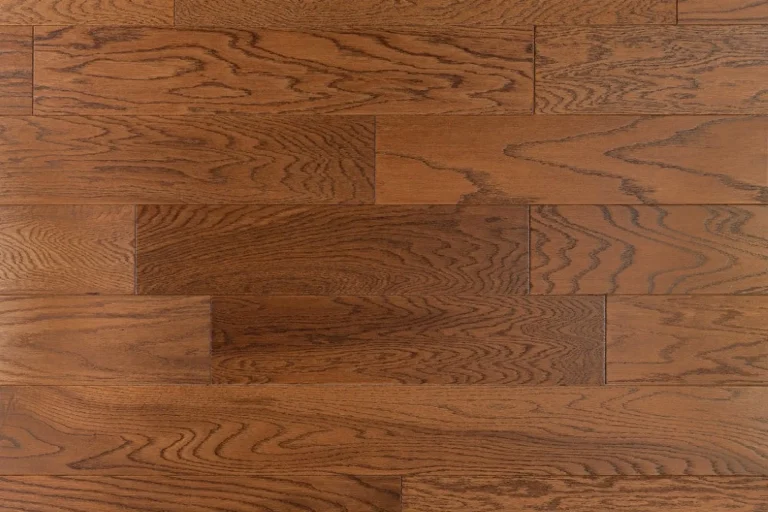
Nihon Brown Brushed & Matt Lacquered Rustic Engineered Oak Flooring 10/2.5 x 125mm
Engineered Wood Flooring Brushed and Lacquered Engineered Oak Flooring 10mm Engineered Wood Flooring Wood Flooring Bedroom Wood Flooring Brown Engineered Wood Flooring Cheap Engineered Wood Flooring Cheap Wood Flooring Conservatory Engineered Wood Flooring Dark Engineered Wood Flooring Dark Oak Flooring Dark Wood Flooring Engineered Oak Flooring Glue Down Engineered Wood Flooring Hallway Wood Flooring Kitchen Engineered Wood Flooring Kitchen Wood Flooring Living Room Wood Flooring Medium Engineered Wood Flooring Medium Oak Flooring Narrow Plank Engineered Wood Flooring Oak Flooring Rustic Engineered Wood Flooring Rustic Oak Flooring Tongue & Groove Engineered Wood Flooring Bedroom Flooring Cheap Flooring Conservatory Flooring Dark Flooring Dining Room Flooring Free Flooring Samples Hallway Flooring Kitchen Flooring Living Room Flooring Pet Friendly Flooring
Original price was £17.99 per square metre.£15.99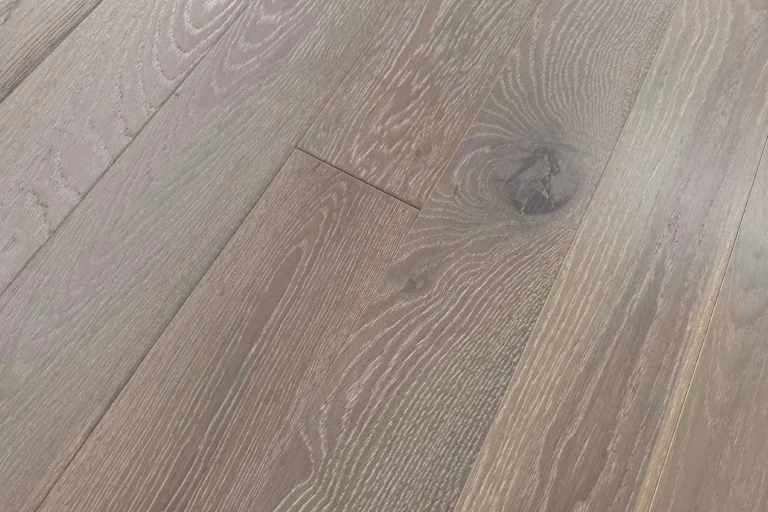
Save 27%
Nihon Clouded White Timber Brushed & Matt Lacquered Rustic Engineered Oak Flooring 10/2.5 x 125mm
Engineered Wood Flooring Brushed and Lacquered Engineered Oak Flooring 10mm Engineered Wood Flooring Wood Flooring Bedroom Wood Flooring Cheap Engineered Wood Flooring Cheap Wood Flooring Conservatory Engineered Wood Flooring Engineered Oak Flooring Glue Down Engineered Wood Flooring Hallway Wood Flooring Kitchen Engineered Wood Flooring Kitchen Wood Flooring Living Room Wood Flooring Narrow Plank Engineered Wood Flooring Oak Flooring Rustic Engineered Wood Flooring Rustic Oak Flooring Tongue & Groove Engineered Wood Flooring White Engineered Wood Flooring White Oak Flooring Bedroom Flooring Cheap Flooring Conservatory Flooring Dining Room Flooring Free Flooring Samples Hallway Flooring Kitchen Flooring Living Room Flooring Pet Friendly Flooring White Flooring
Original price was £21.99 per square metre.£15.99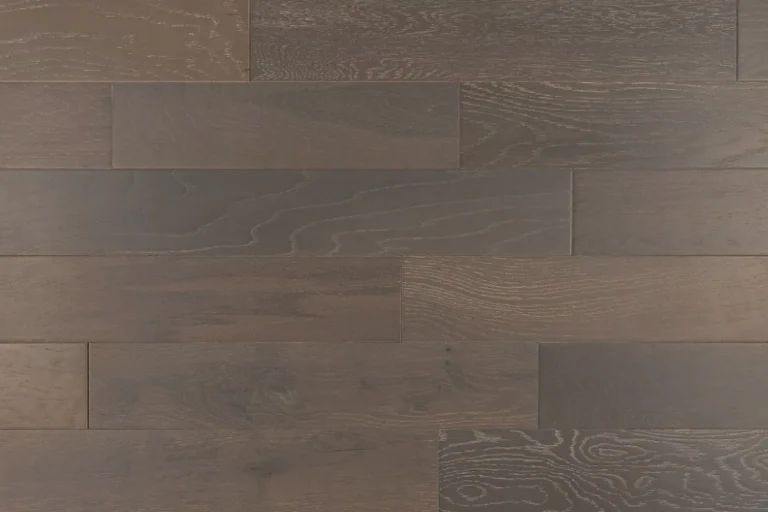
Save 41%
Nihon Grey Brushed & Matt Lacquered Rustic Engineered Oak Flooring 10/2.5 x 125mm
Engineered Wood Flooring Brushed and Lacquered Engineered Oak Flooring 10mm Engineered Wood Flooring Wood Flooring Bedroom Wood Flooring Cheap Engineered Wood Flooring Cheap Wood Flooring Conservatory Engineered Wood Flooring Engineered Oak Flooring Glue Down Engineered Wood Flooring Grey Engineered Wood Flooring Grey Oak Flooring Grey Wood Flooring Hallway Wood Flooring Kitchen Engineered Wood Flooring Kitchen Wood Flooring Living Room Wood Flooring Narrow Plank Engineered Wood Flooring Oak Flooring Rustic Engineered Wood Flooring Rustic Oak Flooring Tongue & Groove Engineered Wood Flooring Bedroom Flooring Cheap Flooring Conservatory Flooring Dining Room Flooring Free Flooring Samples Grey Flooring Hallway Flooring Kitchen Flooring Living Room Flooring Pet Friendly Flooring
Original price was £26.99 per square metre.£15.99
Save 11%
Nihon Brown Brushed & Matt Lacquered Rustic Engineered Oak Flooring 10/2.5 x 125mm
Engineered Wood Flooring Brushed and Lacquered Engineered Oak Flooring 10mm Engineered Wood Flooring Wood Flooring Bedroom Wood Flooring Brown Engineered Wood Flooring Cheap Engineered Wood Flooring Cheap Wood Flooring Conservatory Engineered Wood Flooring Dark Engineered Wood Flooring Dark Oak Flooring Dark Wood Flooring Engineered Oak Flooring Glue Down Engineered Wood Flooring Hallway Wood Flooring Kitchen Engineered Wood Flooring Kitchen Wood Flooring Living Room Wood Flooring Medium Engineered Wood Flooring Medium Oak Flooring Narrow Plank Engineered Wood Flooring Oak Flooring Rustic Engineered Wood Flooring Rustic Oak Flooring Tongue & Groove Engineered Wood Flooring Bedroom Flooring Cheap Flooring Conservatory Flooring Dark Flooring Dining Room Flooring Free Flooring Samples Hallway Flooring Kitchen Flooring Living Room Flooring Pet Friendly Flooring
Original price was £17.99 per square metre.£15.99
Save 27%
Nihon Clouded White Timber Brushed & Matt Lacquered Rustic Engineered Oak Flooring 10/2.5 x 125mm
Engineered Wood Flooring Brushed and Lacquered Engineered Oak Flooring 10mm Engineered Wood Flooring Wood Flooring Bedroom Wood Flooring Cheap Engineered Wood Flooring Cheap Wood Flooring Conservatory Engineered Wood Flooring Engineered Oak Flooring Glue Down Engineered Wood Flooring Hallway Wood Flooring Kitchen Engineered Wood Flooring Kitchen Wood Flooring Living Room Wood Flooring Narrow Plank Engineered Wood Flooring Oak Flooring Rustic Engineered Wood Flooring Rustic Oak Flooring Tongue & Groove Engineered Wood Flooring White Engineered Wood Flooring White Oak Flooring Bedroom Flooring Cheap Flooring Conservatory Flooring Dining Room Flooring Free Flooring Samples Hallway Flooring Kitchen Flooring Living Room Flooring Pet Friendly Flooring White Flooring
Original price was £21.99 per square metre.£15.99
Save 41%
Nihon Grey Brushed & Matt Lacquered Rustic Engineered Oak Flooring 10/2.5 x 125mm
Engineered Wood Flooring Brushed and Lacquered Engineered Oak Flooring 10mm Engineered Wood Flooring Wood Flooring Bedroom Wood Flooring Cheap Engineered Wood Flooring Cheap Wood Flooring Conservatory Engineered Wood Flooring Engineered Oak Flooring Glue Down Engineered Wood Flooring Grey Engineered Wood Flooring Grey Oak Flooring Grey Wood Flooring Hallway Wood Flooring Kitchen Engineered Wood Flooring Kitchen Wood Flooring Living Room Wood Flooring Narrow Plank Engineered Wood Flooring Oak Flooring Rustic Engineered Wood Flooring Rustic Oak Flooring Tongue & Groove Engineered Wood Flooring Bedroom Flooring Cheap Flooring Conservatory Flooring Dining Room Flooring Free Flooring Samples Grey Flooring Hallway Flooring Kitchen Flooring Living Room Flooring Pet Friendly Flooring
Original price was £26.99 per square metre.£15.99


