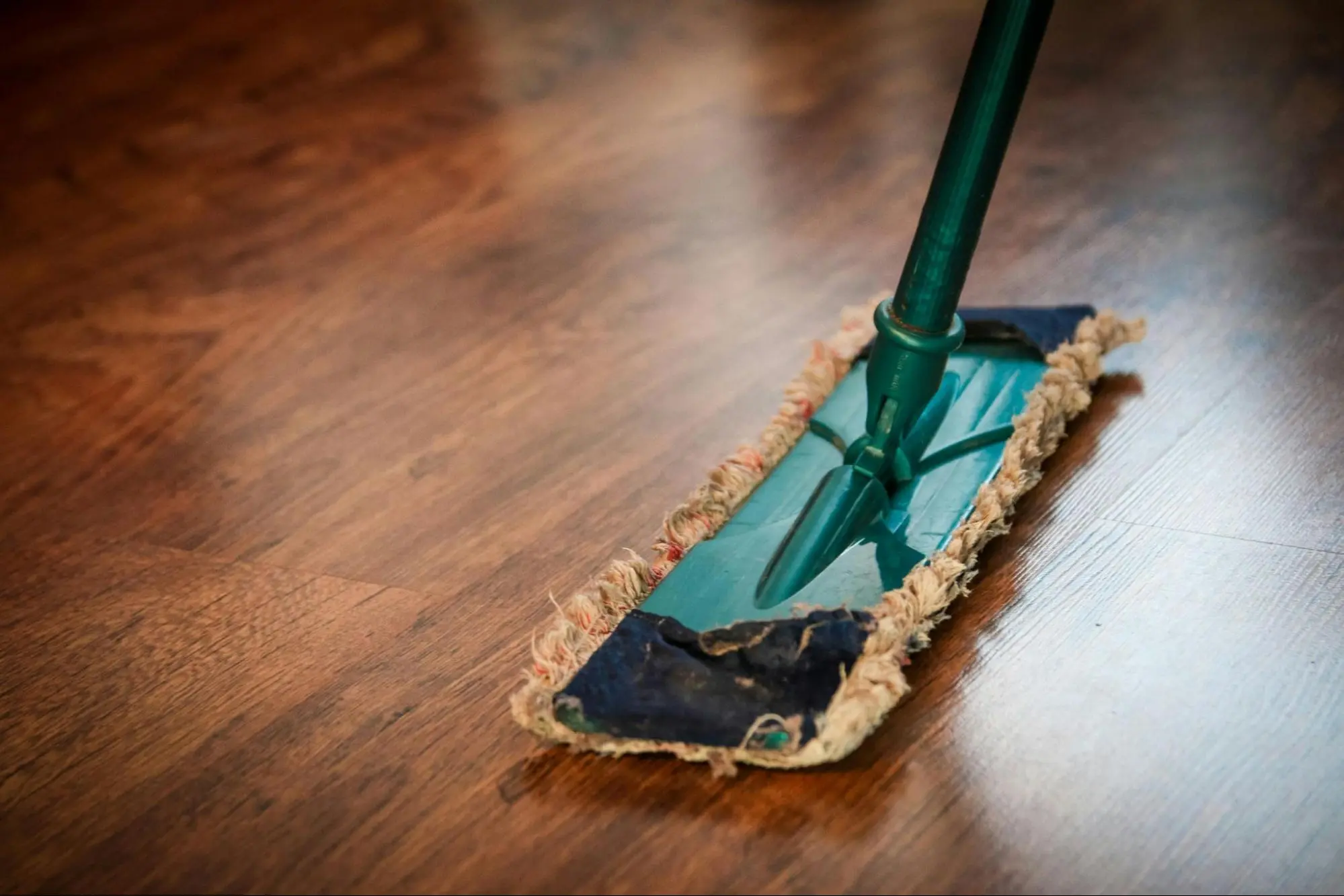
Steam cleaning sounds like the perfect, chemical-free solution—until it meets your beautiful wooden floors. While it promises an eco-friendly, efficient way to keep your home clean, you might be unknowingly putting your hardwood floors at risk. Could it be doing more harm than good?
Wood floors are an investment in style and value, but their natural materials make them sensitive to moisture and heat. The convenience of steam cleaning seems appealing, but can your floors handle it? What might seem like a quick cleaning fix could lead to long-term damage that costs more than you bargained for.
Homeowners everywhere ask: Can I safely steam clean my wood floors without compromising their quality? In this guide, we’ll unpack the hidden risks of steam cleaning on wood, explain why even sealed floors may be at risk, and offer practical steps to keep your floors looking flawless without the gamble. Whether you’re a seasoned homeowner or just installed new flooring, understanding these risks is key to protecting your investment.
In short: trouble. Steam cleaning might seem like an effective way to deep clean your wood floors, but it can lead to warping, cracking, and irreversible damage if you’re not careful. When wood meets steam, the moisture and heat penetrate the surface, seeping into the crevices. This can cause long-term damage, such as swelling or cracking, that may not be immediately visible but will show when it’s too late. Older or unsealed wood floors are especially vulnerable, as they lack the protective layer needed to keep moisture out.
Excess moisture from steam saturates the wood, seeping into the fibres and breaking down its structural integrity. Over time, this causes long-term damage that goes beyond what can be seen on the surface. The combination of heat and moisture creates a double threat, as the expansion of the wood under heat further weakens its durability. Ultimately, regular steam cleaning may shorten the lifespan of your wood floors, turning a small mistake into a costly repair.

The condition of your wood floors plays a crucial role in determining whether they can withstand steam cleaning. Modern wooden floors, if sealed properly with waterproof finishes, may tolerate minimal steam cleaning. However, the key is in knowing whether your floors are adequately sealed.
A simple way to test this is the ‘water bead test’. Drip a small amount of water on the surface of your floor. If the water forms beads, your floor is sealed, and it’s in better shape to handle limited exposure to steam. If the water soaks in, the floor is unsealed—this means steam cleaning is not an option.
Even sealed floors aren’t entirely immune. Over time, heat and moisture can still penetrate the wood, damaging the wear layer and causing invisible issues below the surface. So while you might be safe if your floors are sealed, it’s still a gamble.
If you’re determined to use steam cleaning on your wooden floors, take the following precautions:
Even with these measures, there’s no guarantee that your wood floors will remain unscathed. Regular exposure to heat and moisture may eventually degrade the protective seal, making your floors more susceptible to damage.

For the safest results, it’s best to avoid steam cleaning altogether. Instead, opt for hardwood floor cleaners designed to preserve your floor’s finish and prevent moisture damage. These cleaners are gentle on wood and offer long-lasting protection.
For regular maintenance, use a ‘microfiber mop’ or ‘dry cleaning techniques’. These methods are far safer for wooden floors, as they don’t introduce any moisture that could lead to long-term damage.
If you’re dead set on using steam, here’s how to do it safely. Keep the heat low, use minimal water, and dry the area immediately after. But even with these precautions, it’s a risk. Once the protective layer is compromised, the damage is irreversible.
Sometimes, no amount of home cleaning can match the expertise of a professional. For deep cleaning or when in doubt, consulting a professional is always the safer option. Professionals can assess your floor’s condition and recommend cleaning methods that will preserve its beauty and longevity.
At The Flooring Masters, we offer expert advice tailored to your specific flooring needs, ensuring your wood floors remain as stunning as the day they were installed. If you’re unsure about how to care for your wood floors, don’t hesitate to reach out for personalised recommendations.

With advancements in steam cleaning technology, some steamers are now marketed specifically for hardwood floors. But does this mean they’re safe? In theory, these steamers are designed to minimise the risks associated with traditional steam cleaning. They use lower heat settings and less water, which reduces the chances of damage.
However, no steam cleaner can change the fundamental relationship between wood and moisture. Even the safest, most technologically advanced steam cleaner carries risks. So while some products may claim to be hardwood-friendly, it’s important to use them sparingly and always with caution.
At first glance, steam cleaning might seem like a convenient, eco-friendly solution. However, when it comes to wooden floors, the risks far outweigh the benefits. Unless your floors are fully sealed and you follow strict precautions, it’s best to stick to traditional hardwood cleaners.
Remember, steam and wood are natural enemies. The safest course of action is to rely on cleaning methods that preserve the integrity of your floors, ensuring they stay flawless for years to come.
If you’re still unsure whether steam cleaning is the right choice, it’s always better to err on the side of caution. The Flooring Master offers expert advice services, to help you care for your wooden floors. Contact us today for tailored recommendations—and don’t forget to order your free flooring samples to discover beautiful, durable options that suit your home perfectly.

Example One: Rectangle Rooms
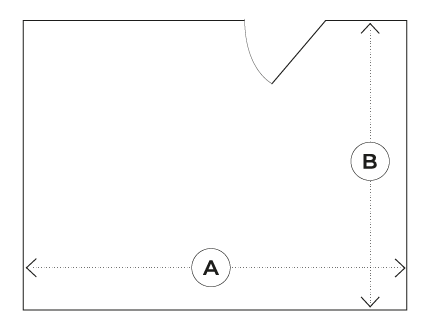
Example Two: Odd Shaped Rooms