Not all wood floors are created equal—and the difference might cost you. While many homeowners believe sanding is the go-to solution for worn-out floors, engineered wood flooring tells a different story. Unlike traditional hardwood, engineered wood has unique maintenance needs that impact its longevity.
So, what exactly is engineered wood? It’s a layered floor composed of a hardwood veneer on top of plywood, designed to offer both durability and aesthetic appeal. But when it comes to scratches or damage, sanding may not always be the best fix. To know more, we explain everything about engineered wood flooring in our blog here.
Can sanding actually rescue your engineered wood floors? Let’s break it down.
What really matters? The wear layer—essentially the shield that keeps your floor from looking like it’s been through a war zone. This top layer is the only part that can be sanded down, and its thickness dictates whether sanding is even an option for repairing scratches or damage.
To keep it simple, think of solid hardwood as a tank—thick, durable, and built to withstand almost anything. Engineered wood, on the other hand, is like a tank with thin armour. It’s cost-effective and looks great, but it’s not built to take on the heavy artillery of years of wear and tear.

Yes, you can sand engineered wood floors, but most people do it wrong. Here’s how to avoid disaster. Sanding is only possible if the wear layer—the hardwood veneer on top—is thick enough, typically between 2-4 mm. If it’s thinner, sanding could easily break through to the plywood core, leaving your floor irreparably damaged.
Over 60% of homeowners attempt sanding without checking their wear layer, resulting in irreversible damage. This is why quality matters. Good quality engineered wood flooring, with a thicker wear layer, makes all the difference in whether you can restore it over time.
It’s necessary to choose the flooring that will last. The Flooring Masters offers high-quality engineered wood floors with thicker wear layers. Order your free samples today and see the difference for yourself.
Sanding should be a last resort—not your first instinct. While it can bring new life to your engineered wood flooring, it’s not always the best solution. Here’s when sanding is worth it, and when you might regret it.
In these cases, sanding could do more harm than good, potentially exposing the core layers and damaging your floors beyond repair. Knowing when to sand and when to explore other options is key to maintaining your floor’s beauty and longevity.

Sanding is a risky business. Avoid sanding right through that precious top layer by following these critical steps to protect your floor and ensure a smooth finish.
Before you dive in, test the sander in an inconspicuous spot—like behind a door or under a rug. This step ensures that the wear layer can handle the sanding without immediate damage, helping you avoid costly mistakes.
Fine-grit sandpaper (120-150 grit) is your best friend. It helps you smooth out light scratches without stripping away too much of the wear layer. Coarser grits can be too aggressive, risking irreversible thinning of the top layer.
Apply gentle, even pressure when sanding to prevent thinning in certain areas. Don’t linger too long on any spot, especially near seams where the top layer might be thinner.
Edges and corners are particularly vulnerable to over-sanding. Use caution in these areas by switching to hand sanding or reducing pressure to avoid going too deep.
By following these steps and taking your time, you can bring new life to your engineered wood flooring while minimizing the risks of damaging it.

After sanding, applying the right stain and sealant is critical. This final step can either make your floor look brand new or ruin all your hard work. Choosing the right products and taking care during application is key to achieving a smooth, durable finish.
When selecting a stain, consider the colour and tone that will complement your space. High-quality stains penetrate the wood evenly and provide a consistent finish. After the stain, a sealant is crucial for protecting the surface from future wear and tear, ensuring the wood remains durable and resistant to scratches or spills.
Taking these precautions will ensure your floors look their best and stay protected for the long haul.
Can’t sand your engineered wood floors? Don’t worry—there are alternatives that can still give your floors a refreshed look without risking damage to the wear layer. These methods are particularly useful when the wear layer is too thin to sand, or you simply want a less invasive option.
| Alternative | Pros | Cons |
|---|---|---|
| Scratch Repair Kits | Quick and easy to apply. | Affordable DIY option. | Can match the wood color for a seamless look. | Works only for small, minor scratches. | Temporary solution; may require reapplication. |
| Recoating | Refreshes the surface without sanding. | Adds a new protective layer. | Easy application process. | Limited to minor surface damage. | Doesn't fix deep scratches or water damage. |
| Floor Polishing | Quick and cost-effective way to restore shine. | Enhances floor’s appearance in hours. | Only improves surface aesthetics. | Doesn't address scratches, dents, or deep damage. |
| Floor Coverings | Protects high-traffic areas from further damage. | Stylish and practical solution. | Hides the flooring beneath. | Not a permanent fix for existing damage. |
Each alternative has its pros and cons, but they offer solutions for maintaining the beauty of your engineered wood floors without the need for invasive sanding. Explore the option that best suits your flooring’s condition and your long-term needs.
Whether sanding is right for your engineered wood floors depends entirely on your wear layer thickness—and your risk tolerance. If your floor’s wear layer is thick enough, sanding can extend its life, but if it’s too thin, you risk permanent damage that could be costly to fix.
Not sure? Don’t gamble with your home’s value. Book a consultation with us today to avoid making an expensive mistake that could reduce the longevity and appearance of your floors.
Save yourself future headaches by choosing high-quality engineered wood flooring from the start that also lasts longer. Order your free samples from The Flooring Masters and make a smart investment in your home’s future.

Example One: Rectangle Rooms
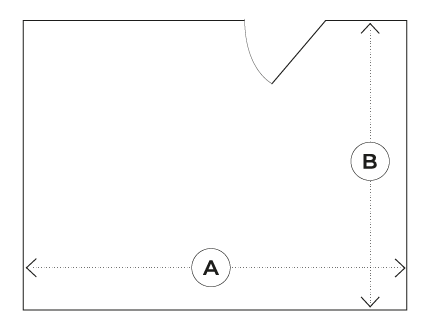
Example Two: Odd Shaped Rooms