Engineered wood on walls is everywhere these days. Flip through an interior design magazine, scroll through Instagram, or walk into any trendy cafe, and you’ll spot it. But beyond its aesthetic appeal, does engineered wood on walls offer value, or are we all just jumping on the latest design bandwagon?
This blog will break down the real appeal, address the lesser-known challenges, and help you decide if this trend fits your space. Expect to get clear, no-nonsense answers to your questions and rethink what you thought you knew about this popular design choice.
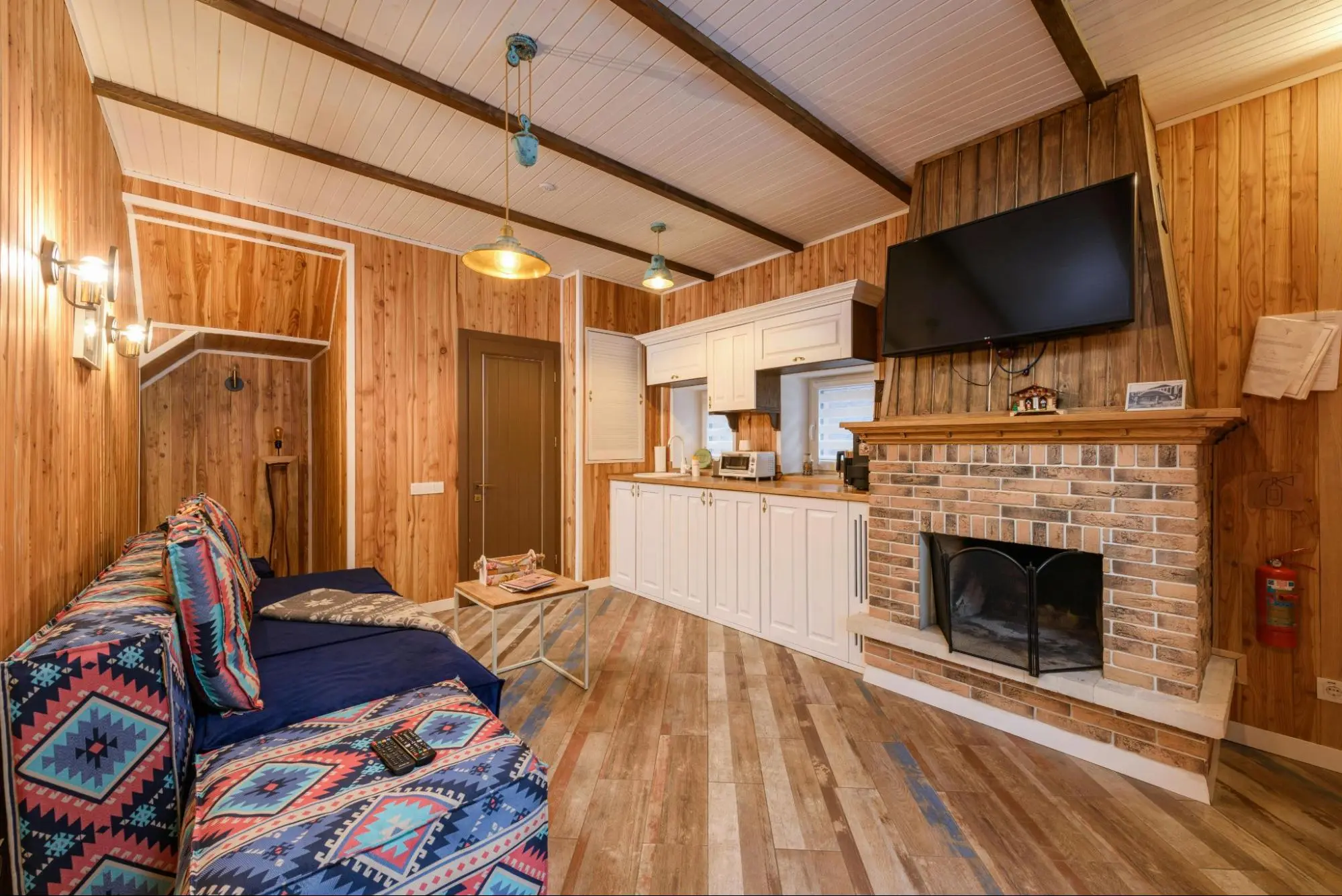
Let’s be honest—engineered wood on walls looks stunning. It adds a layer of texture that paint and wallpaper simply can’t replicate. The natural grains and patterns give depth to otherwise flat walls, making rooms feel warmer and more inviting.
Engineered wood fits the bill, whether you’re a fan of modern minimalism, rustic charm, or eclectic interiors. It blends seamlessly with various design styles, making it a versatile option for almost any space. You can go for sleek, light-toned panels in a Scandinavian-inspired room or opt for dark, rich tones in a more traditional setting.
Unlike paint, which chips, or wallpaper, which can peel over time, engineered wood ages gracefully. It’s built to last, and its layered construction gives it superior stability, reducing the risk of warping or shrinking. This means your walls will maintain their charm for years to come.

Here’s the truth: engineered wood on walls isn’t cheap. It’s a more significant investment than traditional wall treatments like paint or wallpaper. So, the question is—are you getting enough return on your design investment? It might be worth it if you aim to create a standout feature wall or add long-term value to your property. But you might want to reconsider if you’re after a quick, budget-friendly update.
Social media makes everything look easy, but installing engineered wood on walls isn’t always a DIY project. It requires proper wall preparation, precise measurements, and sometimes professional tools. A poorly executed installation can lead to long-term problems like uneven panels or even damage to your walls.
While engineered wood is more stable than solid wood, it’s still susceptible to moisture issues if not properly treated. Installing it in high-humidity areas like bathrooms or basements without the proper precautions can lead to warping or mould growth. So, it’s crucial to assess the environment before committing to it.
Engineered wood shines when used thoughtfully. Feature walls in living rooms, entryways, or home offices can add just the right amount of drama without overwhelming the space. The key is to balance—let the wood be the star without making the room feel closed in.
One of the best ways to avoid going overboard is by mixing materials. Pairing engineered wood with concrete, glass, or metal can create a balanced, modern look. This contrast highlights the wood’s natural beauty and prevents the room from feeling too heavy or monotonous.

If you’re eco-conscious, choose responsibly sourced materials. Many engineered wood products have certifications like FSC (Forest Stewardship Council), ensuring they meet environmental standards. Sustainable choices benefit the planet and add to your home’s long-term value.
Dark wood can add sophistication, but small rooms can make the space feel cramped and claustrophobic. Opt for lighter tones or use dark wood sparingly to maintain an open, airy feel. Consider using dark wood as an accent rather than covering an entire wall, and complement it with light-coloured furnishings and decor to create contrast and prevent the room from feeling too enclosed.
Skipping the prep work is a common mistake. Uneven walls, moisture issues, or improper adhesive can lead to panels peeling or shifting over time. Proper preparation is key to a long-lasting finish. Ensure the wall is smooth, clean, and dry before installation. Address any underlying moisture problems and use the correct adhesive or mounting system recommended by the manufacturer. Taking the time to prep correctly will save you from costly repairs.

Interior designers often use engineered wood to create bold, eye-catching feature walls that elevate luxury spaces. It’s a go-to material for adding texture and warmth to high-end interiors without compromising style.
In open-plan homes, continuity between floors and walls can create a cohesive look. Engineered wood walls can tie spaces together, creating a seamless flow from room to room while adding a touch of sophistication.
For commercial spaces like cafés and boutiques, engineered wood walls can make a strong visual statement. While longevity is necessary, the immediate impact on customers often takes precedence, making engineered wood an excellent choice for creating memorable interiors.
Engineered wood on walls isn’t a magic bullet for design perfection but a powerful tool when used thoughtfully. It brings texture, warmth, and character to any space, provided you’re mindful of its limitations.
Trends come and go, but good design stands the test of time. If you’re looking for a feature that combines aesthetics with durability, engineered wood might be worth the investment.
At The Flooring Masters, we offer a range of premium engineered wood flooring options that seamlessly transition from floors to walls, adding sophistication to any space. Still unsure if it’s the right fit for your project? Take advantage of our free samples to see how they complement your interior. Need expert guidance? Our Expert Advice Centre is here to help you choose your home or commercial space.
Is engineered wood safe for walls?
Yes, engineered wood is safe for walls when appropriately installed. Ensure it’s treated for moisture resistance, especially in humid areas.
Can you install engineered wood over drywall?
Absolutely. Engineered wood can be installed over drywall, but the wall needs to be clean, dry, and even for the best results.
What’s the cost of engineered wood wall installation?
Costs vary depending on the wood type and installation complexity but expect to pay more than traditional wall treatments like paint or wallpaper. Professional installation adds to the price but ensures a flawless finish.

Example One: Rectangle Rooms
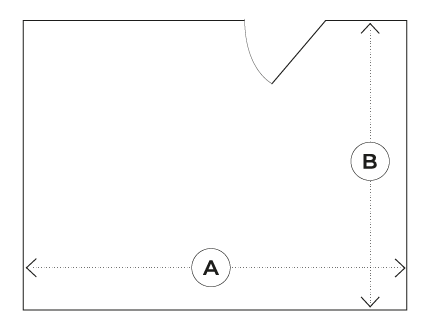
Example Two: Odd Shaped Rooms