Engineered wood flooring has become a popular choice for homeowners and businesses alike, offering the beauty of natural wood with enhanced stability. However, thickness is one crucial factor often overlooked when selecting the perfect flooring. The thickness of engineered wood flooring can significantly influence its durability, installation process, and overall performance. Understanding how these factors interconnect will help you make informed decisions that best suit your space and lifestyle.
Engineered wood flooring is crafted from multiple layers. The base consists of several ply layers, typically made from plywood or high-density fibreboard (HDF), bonded together in a cross-grain construction for added strength. On top lies a veneer of real hardwood, providing the aesthetic appeal of solid wood. This construction makes engineered wood more resistant to moisture and temperature fluctuations than solid hardwood.
Unlike solid hardwood, milled from a single piece of timber, engineered wood’s layered design offers excellent stability and flexibility, making it suitable for a broader range of environments, including basements and areas with underfloor heating.
The thickness of engineered wood flooring plays a pivotal role in its overall performance:

| Thickness | Description | Best For |
|---|---|---|
| Thin Boards (6mm–12mm) | It is ideal for renovations where height restrictions are a concern. Efficient with underfloor heating. | Renovations, underfloor heating, areas with height limits. |
| Medium Thickness (13mm–18mm) | A balanced choice offering good durability and affordability. Allows for limited refinishing. | Residential spaces, moderate foot traffic areas. |
| Thick Boards (19mm–22mm+) | Highly durable and suitable for multiple refinishing cycles. Excellent for high-traffic spaces. | Commercial spaces, high-traffic areas, and long-term use. |
Selecting the right thickness depends on several factors:

When evaluating engineered wood flooring, it’s important to distinguish between core thickness and wear layer thickness:

When selecting the thickness of engineered wood flooring, avoid these common pitfalls:
Not all subfloors are suitable for all thicknesses. For example, concrete subfloors may require thinner boards for easier installation, while wooden subfloors can accommodate thicker boards. Failing to match your flooring to your subfloor can lead to poor performance and stability issues.
If you anticipate refinishing your floors, choosing a board with a thicker wear layer is essential. Thinner wear layers may limit the times the floor can be sanded, reducing lifespan.
While thicker boards offer benefits like increased durability and refinishing potential, they are not always necessary. For instance, thinner boards may be more practical and cost-effective in low-traffic areas or rooms with underfloor heating. Evaluate your specific needs before making a decision.
At The Flooring Masters, we understand that every project is unique. Our experts recommend assessing your needs—from subfloor type to room usage—before selecting the thickness of your engineered wood flooring. We offer free samples to help you experience different thicknesses firsthand, ensuring you make the best choice for your space.
Choosing the right thickness for engineered wood flooring is more than just a technical decision—balancing durability, comfort, and cost to suit your unique space. Whether renovating a cosy flat or outfitting a bustling office, understanding how thickness impacts performance will guide you towards the perfect flooring solution. Contact The Flooring Masters for personalised advice or order free samples today.

Example One: Rectangle Rooms
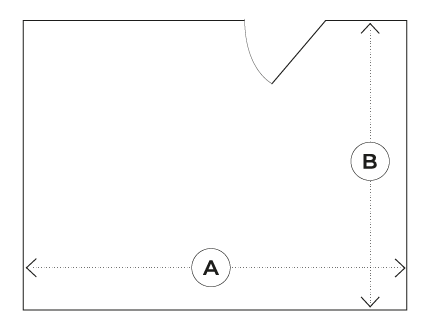
Example Two: Odd Shaped Rooms