When installing engineered wood flooring over concrete, selecting the correct underlay is crucial for ensuring your floor’s longevity, comfort, and performance. Concrete subfloors present specific challenges that need to be addressed, such as moisture, sound transmission, and thermal insulation.
This blog will explore why underlay is essential, the types available, and how to choose the best one for your needs. You’ll have all the information you need to make an informed decision by the end.
Concrete is known to absorb and release moisture, which can lead to significant issues for engineered wood flooring. Your floor could swell, warp, or become discoloured without a moisture barrier. An underlay with an integrated moisture barrier is crucial in protecting your investment, preventing moisture from seeping up from the concrete and damaging your engineered wood floor.
In a multi-storey home or an office building, noise can travel easily through concrete floors. Underlay provides a cushion that helps reduce sound transmission, making your home or office environment quieter and more comfortable. This feature is significant for people living in apartments or those working in busy office spaces.

Underlay also adds a layer of insulation, which helps to regulate temperature. It improves the thermal efficiency of your home, keeping the space warmer in winter and cooler in summer. This added insulation can make a big difference in maintaining a comfortable living environment while contributing to energy savings.
There are several options to consider when choosing the best underlay. Here are three popular choices:
| Underlay Type | Pros | Cons |
|---|---|---|
| Foam Underlay | Lightweight and affordable Provides essential moisture and sound protection | Less durable than other options It may not provide long-lasting protection or comfort. |
| Rubber Underlay | Excellent sound insulation | Higher cost compared to other types |
| Highly durable and long-lasting | Heavier and more difficult to install than foam | |
| Superior moisture protection and premium quality | It may feel too firm underfoot for some people | |
| Cork Underlay | Eco-friendly and sustainable | Limited moisture resistance; may require an additional vapour barrier |
| Good sound and thermal insulation | It can be more expensive than foam. | |
| Natural material that's great for reducing noise and maintaining temperature | It is not ideal for areas with high moisture exposure without additional protection |
When selecting the right underlay, several key factors should influence your decision:
Look for underlays with integrated vapour barriers, or choose one that allows you to add a separate moisture barrier if needed. Moisture resistance is critical to prevent the floor from warping or discolouring due to concrete’s moisture emission.
The thickness of the underlay affects both comfort and stability. While thicker underlays provide more insulation, they may also make the flooring feel less stable. A balance between comfort and stability is key to achieving optimal results.

If you have underfloor heating, ensure the underlay you choose is compatible. Some underlays are designed to work with heated floors, ensuring heat is transferred effectively to keep your space warm without compromising the floor’s performance.
Select an underlay that supports the lifespan of your engineered wood flooring. Investing in a durable underlay ensures that your flooring stays in top condition for years, avoiding unnecessary replacements.
While we won’t dive into the technical aspects of installation, here are some practical tips to help guide you:
Start by ensuring your concrete subfloor is clean, dry, and level. A smooth surface is crucial for proper underlay installation, as any debris or moisture can affect the effectiveness of the underlay and flooring.
If your underlay doesn’t include a built-in vapour barrier, it’s essential to lay one separately. This step prevents moisture from the concrete from seeping into your engineered wood flooring, ensuring longevity.
Carefully position the underlay over the prepared subfloor, ensuring it aligns correctly and is secure. Most underlays are designed to interlock or overlap at the seams for a tight, seamless fit. Follow manufacturer instructions to ensure the underlay is installed correctly.

To avoid costly mistakes during installation, be mindful of the following:
Investing in a high-quality underlay is not just a practical choice—it’s a decision that enhances your home’s comfort, durability, and energy efficiency.
The right underlay is the foundation of a successful engineered wood flooring installation, especially on concrete subfloors. Choosing the perfect underlay not only protects against moisture, minimises noise, and adds insulation but also ensures the longevity and performance of your flooring.
At The Flooring Masters, with our expert knowledge, a wide range of premium underlay products, and commitment to excellent customer service, we’re here to guide you every step. Whether you need advice, product recommendations, or free samples, we’re dedicated to helping you make the best decision for your space.

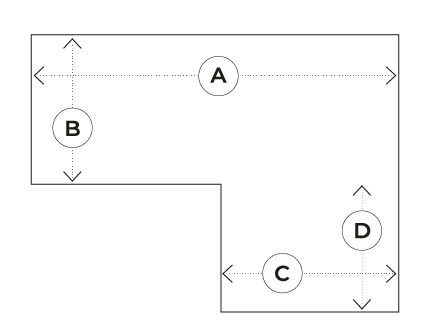
Example One: Rectangle Rooms
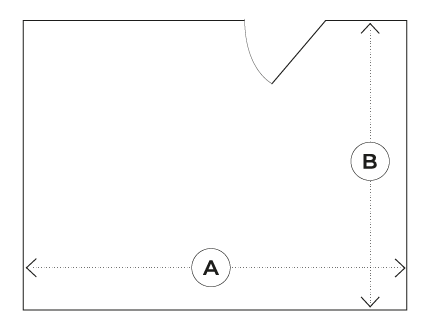
Example Two: Odd Shaped Rooms