When it comes to flooring that combines the elegance of real wood with practicality, waterproof engineered wood flooring emerges as a standout option. Promising durability and moisture resistance, it has become a popular choice for areas prone to spills and humidity, such as kitchens, bathrooms, and basements. But how well does it live up to its “waterproof” label?
This guide explores the benefits, limitations, and essential considerations to help you make an informed decision.
Waterproof engineered wood flooring offers a blend of style and resilience. Its construction includes a top layer of real wood veneer bonded to moisture-resistant layers, providing the aesthetic appeal of natural wood without the drawbacks of traditional timber in wet areas.
With the rising demand for practical yet stylish flooring, this solution is particularly appealing for busy households. Kitchens and bathrooms, which often face challenges with spills, splashes, and humidity, benefit significantly from its durable, moisture-resistant design.
When shopping for waterproof engineered wood flooring, understanding its features is key to making the right choice. Here’s what to prioritise:

A high-quality waterproof layer is essential for preventing warping, swelling, or damage caused by moisture. Look for products with advanced coatings or sealants that act as a barrier against water penetration, keeping the core layers protected. This feature ensures spills and humidity don’t compromise the flooring’s structural integrity or appearance.
Premium products often feature enhanced waterproofing technologies, offering added peace of mind for use in kitchens, bathrooms, and other moisture-prone areas.
The thickness of the wear layer matters, especially in maintaining the flooring’s longevity. A thicker wear layer not only improves resistance to scratches and dents but also allows for light sanding and refinishing, giving your flooring a refreshed look over time.
Opting for a durable product ensures that your flooring can handle the demands of busy households without losing its charm.
Installation options, such as click-lock systems, simplify the process and make it accessible for DIY enthusiasts. These systems securely interlock the planks, creating a tight seal that prevents water seepage.
Floating floor installations using click-lock systems are a popular choice for their ease of setup and clean finish, making them ideal for both professionals and DIYers.

Thanks to its practical and stylish nature, waterproof engineered wood flooring works well in various spaces. Below is a quick guide to its suitability for different rooms:
| Room | Benefits | Considerations |
|---|---|---|
| Kitchen | Withstands spills, stains, and high foot traffic. | Ensure a tight seal between planks to avoid water seepage. |
| Bathroom | Handles humidity and frequent exposure to water. | Avoid prolonged water pooling to maintain longevity. |
| Basement | Resistant to humidity and prevents warping in below-ground environments. | Check for adequate subfloor preparation to prevent moisture from beneath. |
| Living Room | Offers style versatility and a cosy, natural look. | Choose a finish that complements your interior décor. |
| Hallways | Durable enough to withstand heavy foot traffic and wear. | Use mats or runners in high-traffic zones for added protection. |
The wide range of finishes and styles also ensures the flooring complements both traditional and modern interior designs, adding sophistication to any room.

Selecting the perfect waterproof engineered wood flooring involves more than just picking a style you like. Here are some practical tips to guide your decision:
The warranty offered by the manufacturer can be an indicator of the product’s quality and durability. A good warranty should cover water damage, wear, and structural integrity. Floors with thicker wear layers tend to last longer and withstand heavy use, so prioritise options that offer this feature. A long-lasting product is an investment that pays off over time.
Your budget will play a significant role in narrowing down your choices. While there are affordable options available, consider the long-term benefits of investing in a high-quality product. Cheaper alternatives might save you money upfront but could lead to higher costs in repairs or replacements. Striking a balance between cost and quality ensures value for your money.

Look for flooring products that come with certifications like GREENGUARD for indoor air quality or FloorScore for low VOC emissions. These certifications give you confidence that your flooring is safe and eco-conscious.
If your household is particularly busy or prone to spills, opt for floors with enhanced waterproof properties and scratch-resistant finishes. In addition, choose a style that hides wear and tear, such as distressed or textured finishes.
Seeing and feeling the flooring in person can make a significant difference in your decision-making process. Many suppliers, like The Flooring Masters, offer free samples so you can evaluate the colour, texture, and quality before committing.
Waterproof engineered wood flooring is the perfect blend of style and practicality, making it a standout option for moisture-prone spaces. Its ability to replicate the beauty of natural wood while offering superior moisture resistance makes it a durable and versatile choice for modern homes.
When selecting the ideal flooring, focus on essential features such as a robust waterproof layer, a thick and durable wear layer, and eco-friendly materials. These elements not only enhance functionality but also ensure your flooring complements your lifestyle and sustainability goals.
If you’re uncertain about which product suits your needs, The Flooring Masters is here to help. With expert advice and a carefully curated range of high-quality options, we make it easy to find the perfect waterproof engineered wood flooring for your home.

Example One: Rectangle Rooms
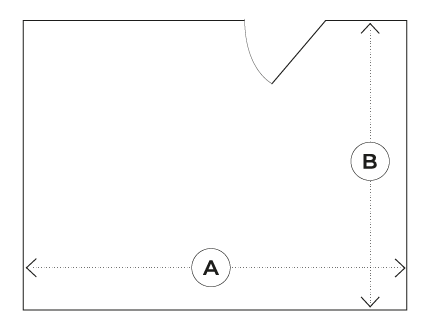
Example Two: Odd Shaped Rooms