You’ve invested in beautiful engineered wood floors, but now you’re faced with a daunting question: how to clean engineered wood floors?
With conflicting advice swirling around, it’s easy to feel overwhelmed. Should you mop? Vacuum? Use vinegar? Or perhaps just tiptoe around your house in a panic?
As experienced professionals in the flooring industry, we’ve created the definitive guide on how to clean engineered wood floors. Whether you’re dealing with muddy paw prints, spilled tea, or just the usual dust and grime, we’ve got you covered. By the end of this article, you’ll know all about:
Before we jump into cleaning techniques, it’s crucial to understand what we’re working with. Engineered wood flooring is a clever sandwich of materials: a top layer of real wood (the part you see and walk on) bonded to multiple layers of high-quality plywood or HDF (High-Density Fibreboard).
This construction makes engineered wood flooring more stable and resistant to moisture than solid hardwood.
However, it’s not invincible. The top layer can still be scratched, dented, or damaged by excessive moisture or harsh chemicals. That’s why proper cleaning and maintenance are essential.

The secret to keeping your engineered wood floors looking fabulous? Regular maintenance. Here’s your daily game plan:
Make this your daily ritual. Use a soft-bristled broom or a vacuum with a soft brush attachment designed for hard floors. This prevents dirt and grit from scratching your floor’s surface.
Tip: Avoid vacuums with beater bars or hard plastic attachments – they’re too rough for wood floors.
Place mats at all external entrances. They’re your first defence against dirt, grit, and moisture. For extra protection, consider a ‘no shoes’ policy indoors.
Whether it’s spilled tea or muddy paw prints, clean it up straight away. Standing liquid is your floor’s worst enemy.
By incorporating these simple steps into your daily routine, you’ll significantly reduce the need for deep cleaning and extend the life of your floors.
Choosing the right cleaning products is crucial for maintaining your engineered wood floors. Here’s what you need to know.

From our experience, the following floor cleaners are quite reliable:
Remember, less is more when it comes to cleaning products. Always follow the manufacturer’s instructions and, when in doubt, test the product on an inconspicuous area first.

When it’s time for a more thorough clean, proper mopping technique is key. Here’s how to do it right:
Always sweep or vacuum first to remove loose dirt and debris.
A microfibre mop is ideal. Avoid string mops or sponge mops that can leave excess water on the floor.
Mix according to the product instructions. Never use more than recommended – it won’t clean better, it’ll just leave residue.
Your mop should be damp, not wet. Excess water can seep into the seams and damage your floor.
This helps prevent streaking and ensures a thorough clean.
One bucket for your cleaning solution, another with clean water for rinsing. This prevents you from spreading dirty water back onto your clean floor.
Don’t keep cleaning with dirty water!
Use a clean, dry microfibre cloth to remove any remaining moisture.
Remember, less is more when it comes to water. A damp mop is all you need for regular cleaning.

Accidents happen, but quick action can prevent lasting damage. Here’s how to handle common spills and stains:
Remember, always test any cleaning method on an inconspicuous area first.
While daily maintenance goes a long way, your engineered wood floors will benefit from a deep clean every few months. Here’s how to do it:
Remove all furniture and rugs.
Use a soft brush attachment to remove all dust and debris.
Use a wood-safe disinfecting cleaner, following the manufacturer’s instructions.
Use the two-bucket method described earlier, being careful not to over-wet the floor.
Go over the floor with a clean, damp mop to remove any residue.
Use clean, dry microfibre cloths to ensure no moisture is left on the floor.
Give the floor plenty of time to dry completely before replacing furniture and rugs.
Remember, deep cleaning should be done sparingly – too much can wear down your floor’s finish over time.
Prevention is better than cure when it comes to floor care. Here are some tips to protect your engineered wood floors:
Place felt pads under the legs of all furniture to prevent scratches when moving items.
Keep your furry friends’ nails trimmed to prevent scratches.
Place rugs in high-traffic areas and ensure they have non-slip backings that won’t damage the floor.
Use a dehumidifier in damp weather to prevent excessive moisture.
Use curtains or blinds to protect your floors from fading due to UV exposure.
Thinking of upgrading your floors? The Flooring Masters offers engineered wood flooring with enhanced durability and scratch-resistant finishes. These features can make maintenance easier and keep your floors looking beautiful for longer.
Even with the best care, issues can arise. Here’s how to handle some common problems:
For light scratches, try using a wood floor repair kit that matches your floor colour. For deeper scratches, you may need professional help.
If your floor is looking lacklustre, try using a wood floor polish. Be sure to choose one suitable for engineered wood.
Small gaps can occur due to seasonal changes in humidity. If they persist or widen, consult a professional.
These issues are usually caused by moisture problems and require professional assessment.
Ideally, to keep your engineered wood flooring as good as new, it is important to address these issues promptly. However, prevention is always better than cure. Let’s recap the essential care tips and explore how choosing the right flooring from the start can make all the difference.
Caring for your engineered wood floors doesn’t have to be a daunting task. With regular maintenance, the right cleaning products, and proper techniques, you can keep your floors looking beautiful for years to come.
Remember the key points:
Your floors are a significant part of your home – treat them with care, and they’ll reward you with lasting beauty and durability.
And the most important part: starting with high-quality engineered wood flooring makes the job much easier.
The Flooring Masters, for example, offers:
Order free samples today to see what we are talking about. And don’t hesitate to contact our expert team to help you choose the best flooring for your lifestyle and maintenance preferences.
The best method is regular sweeping or vacuuming, followed by damp mopping with a wood-specific cleaner. Always use minimal water and dry the floor thoroughly afterwards.
No, vinegar is too acidic and can damage the floor’s finish. Stick to pH-neutral, wood-specific cleaners.
Regular cleaning and occasional use of a wood floor polish can help maintain shine. For a natural option, try buffing with a microfibre cloth after cleaning.
No, steam mops introduce too much heat and moisture, which can damage engineered wood floors.
Use gentle, wood-specific cleaners, minimal water, and soft tools like microfibre mops. Avoid harsh chemicals and abrasive materials.
Haze is often caused by product build-up. Clean thoroughly with a wood floor cleaner, then rinse with a damp (not wet) mop and dry completely.
Deep clean, then apply a wood floor reviver or polish designed for engineered wood. For severe wear, consider professional refinishing.
Only if it came pre-oiled. Most engineered wood floors have a factory-applied finish and don’t require oiling.
It could be due to dirt build-up, residue from cleaning products, or wear and tear. Regular cleaning and occasional polishing can help.
Use a UV-resistant wood floor polish or consider professional refinishing. In severe cases, replacement might be necessary.
Deep clean, then apply a wood floor reviver. For more severe wear, consider professional refinishing or recoating.
Use a wood floor reviver or refinisher product designed for engineered wood. Always follow manufacturer instructions.
They’re more resistant than solid hardwood, but can still scratch. Use furniture pads and avoid dragging heavy objects.
This is often due to product build-up or using too much water when cleaning. Deep clean and ensure proper drying after cleaning.
No, the heat and moisture from steam mops can damage engineered hardwood floors.
For minor discoloration, try a wood floor reviver. For severe cases, professional refinishing or replacement may be necessary.
Generally no, most modern engineered hardwood floors have a finish that doesn’t require waxing. Check your flooring specifications.
Clean thoroughly, then use a wood floor polish or reviver designed for engineered wood.
Yes, regular cleaning and occasional deep cleaning are necessary. Proper care can significantly extend the life of your floors.
No, steam mops can damage both solid and engineered hardwood floors due to excess heat and moisture.
No, steam cleaning can cause damage to engineered hardwood floors due to excess moisture and heat.
Use a soft-bristled broom or vacuum for daily cleaning, and damp mop with a wood-specific cleaner for deeper cleaning.
Use a wood-safe deep cleaning solution, apply with a damp mop, and dry thoroughly. Avoid excessive water.
Sweep or vacuum daily, damp mop weekly, and deep clean every few months or as needed.
A microfibre mop is ideal. It’s gentle on the wood and effective at picking up dirt and dust.

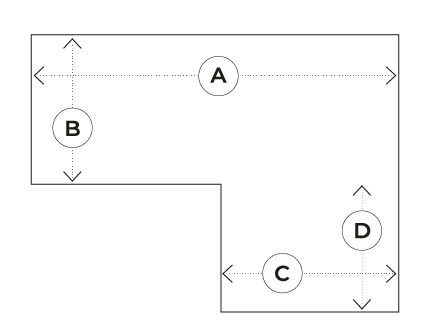
Example One: Rectangle Rooms
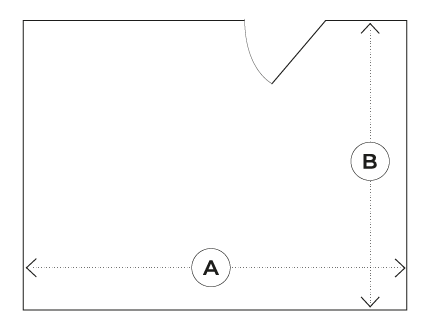
Example Two: Odd Shaped Rooms