The choice between gluing or floating flooring will depend on the specific needs of your project, as well as personal preference.
Gluing involves applying adhesive directly to the subfloor and then placing the flooring planks on top. This method provides a strong and permanent bond and is suitable for solid hardwood or engineered flooring with a thick hardwood veneer. Gluing is typically used when the subfloor is concrete or when there is no existing flooring.
Floating floor installation involves laying the flooring planks on top of a foam underlayment and interlocking the planks together without using adhesive. This method is suitable for engineered wood flooring and is relatively easy to install, making it a popular choice for DIY projects.
Both gluing and floating methods have their own benefits and drawbacks, and the choice will depend on factors such as the type of subfloor, the room’s humidity level, and the desired level of stability, as well as personal preference. It is always best to consult with a flooring professional for recommendations on the best option for your specific project.

Example One: Rectangle Rooms
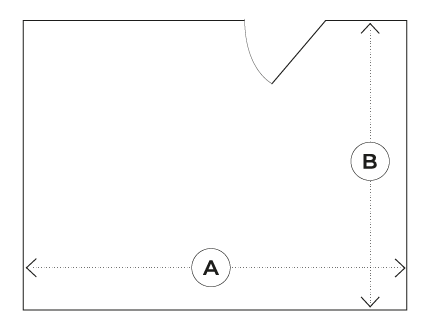
Example Two: Odd Shaped Rooms