Floating engineered wood flooring is often celebrated as a convenient and cost-effective solution for modern homes. With no need for nails or glue, it promises an easy installation and a polished look. But is it the perfect choice for your space? Beneath its glossy reputation lie challenges that many homeowners discover too late.
This guide delves into the lesser-known drawbacks of floating floors, offering real-life examples and actionable advice to help you make an informed decision. With a deeper understanding of its limitations and benefits, you’ll be better equipped to make the right choice for your home.
Floating floors may appear seamless and efficient, but their shortcomings can significantly impact your home. What seems like a convenient solution often reveals hidden issues that can lead to expensive repairs or compromises in quality. Let’s examine these overlooked flaws in detail.
Peaking, where planks push up against each other, is a common problem even with “professional” installations. This happens when there isn’t enough room for the floor to expand, often due to improper allowance for expansion gaps.
While peaking can sometimes be fixed by trimming edges, it is often a sign of poor planning or rushed installation. Without addressing the root cause, this issue is likely to recur, disrupting both the look and functionality of your flooring.

Subfloor imperfections and climate conditions can lead to buckling or warping. Floating floors are more vulnerable to movement caused by moisture or uneven surfaces, highlighting the importance of proper preparation.
A subfloor that isn’t perfectly level creates stress points that force the floorboards to shift. When combined with fluctuating humidity levels, this can result in visible deformations that are difficult and costly to repair.
Moisture trapped beneath floating floors can create a breeding ground for mould and mildew. Without effective moisture control measures, even small spills or condensation can lead to significant problems.
Mould not only damages the flooring but can also pose serious health risks to occupants. The cost of remediating mould-related damage often far exceeds the savings made by choosing a floating installation.
Floating floors can lack the solidity of glued or nailed installations, creating a hollow sound when walked on. This can detract from the luxurious feel many homeowners desire, especially in high-traffic areas.
This hollow sensation is particularly noticeable in homes with high ceilings or minimal furnishings, as the sound reverberates more easily. It’s an aesthetic compromise that might not align with the premium appeal engineered wood is known for.

While floating engineered wood flooring is marketed as an accessible option, several factors make these issues more prevalent than expected. A deeper look reveals systemic challenges that many homeowners don’t anticipate.
Floating floors are inherently less compatible with moisture-prone areas like kitchens, bathrooms, or basements. Seasonal changes and high humidity levels exacerbate the risk of damage.
These environmental stressors can cause the flooring to expand, contract, or even lift over time. Without proper safeguards, the durability of floating floors can be significantly compromised, leading to disappointment and unexpected costs.
The “easy DIY nature” of floating floors is often overstated. Missteps during installation, such as inadequate preparation or ignoring expansion gaps, can lead to long-term problems.
Even experienced DIY enthusiasts can underestimate the intricacies involved in achieving a seamless and durable floating floor. What seems like a straightforward task often requires specialised tools and expertise to get it right.

Cheaper materials may seem budget-friendly but often lack the durability to withstand daily wear and tear. Cost-cutting compromises can amplify flaws like peaking, warping, or aesthetic issues.
Investing in premium flooring materials may seem like an unnecessary expense initially, but it often saves significant time, money, and effort over the product’s lifespan. Quality materials are also less prone to structural and visual imperfections.
Despite the challenges, floating floors can perform well with the right approach. Proactive solutions and attention to detail can make these issues manageable, ensuring a more satisfying outcome.
Proper expansion gaps are non-negotiable. Ensure the subfloor is level, and use high-quality underlay to enhance stability and soundproofing. Hiring a skilled professional can make all the difference.
A professional installer can also identify and address potential issues before they escalate, such as correcting uneven subfloors or recommending suitable materials. These small but critical steps can dramatically improve the longevity and performance of your floor.
Invest in moisture barriers, dehumidifiers, or sealants to keep humidity levels under control. Regular monitoring of moisture levels can prevent costly repairs down the line.
Additionally, incorporating a high-quality vapour barrier during installation adds an extra layer of protection against moisture, safeguarding your investment from preventable damage.

Opting for premium materials ensures better performance and longevity. While the upfront cost may be higher, the long-term benefits of reduced maintenance and fewer replacements are worth it.
High-quality materials not only look better but also withstand environmental challenges more effectively. This ensures your flooring remains functional and visually appealing for years to come.
Floating engineered wood flooring isn’t a one-size-fits-all solution. Recognising where it shines—and where it falls short—can help you make the best choice for your home. A thoughtful evaluation of your needs and circumstances is key.
Floating floors are ideal for spaces with stable environments and minimal moisture exposure. They are also great for temporary installations or homes where future removal might be necessary.
For instance, rented properties or rooms that may be remodelled in the future benefit from the flexibility of floating floors. They’re also an excellent choice for budget-conscious homeowners seeking an aesthetic upgrade.
In areas with high traffic or moisture exposure, glued-down or nailed-down floors offer greater stability and durability. These options require more effort initially but often result in fewer issues over time.
While these methods demand a higher initial investment, their ability to handle environmental stressors with ease makes them a better long-term solution for many homes. They also deliver a more solid and premium feel.
At The Flooring Masters, we believe in helping you find the perfect solution for your space. Floating engineered wood flooring can work wonderfully in specific situations, but it’s essential to weigh the pros and cons carefully.
Our premium-quality engineered wood options and tailored recommendations ensure you’ll find the flooring that truly meets your needs. Whether you’re after flexibility, durability, or elegance, our experts can guide you to the best choice.
Speak with The Flooring Masters today for expert advice and unparalleled quality.

Example One: Rectangle Rooms
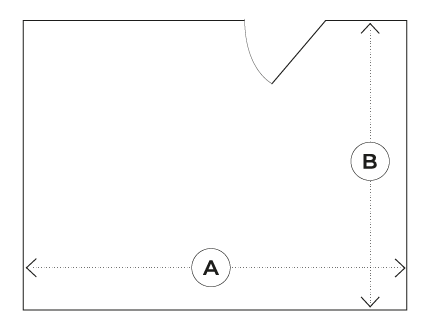
Example Two: Odd Shaped Rooms