Engineered wood flooring has become a popular choice for homeowners and businesses, offering the beauty of real wood with added stability. Unlike solid hardwood, engineered wood is constructed with multiple layers, making it more resistant to moisture and temperature fluctuations. However, many wonder whether engineered wood flooring must be acclimated before installation.
The short answer is yes. While engineered wood is more dimensionally stable than solid hardwood, it can still expand and contract due to changes in temperature and humidity. Failing to acclimate your flooring correctly can lead to issues like warping, gapping, or even buckling. This guide will explain why acclimation is essential, how to do it correctly, and what can happen if you skip this critical step.
Engineered wood flooring is designed to be more stable than solid wood, but that doesn’t mean it’s immune to environmental changes. The core layers of engineered wood, often made of plywood or high-density fibreboard, can still absorb moisture and react to temperature fluctuations.
If engineered wood flooring isn’t given time to adjust to the conditions of your home, you may face several problems, including:
Most flooring manufacturers strongly recommend acclimating engineered wood flooring before installation. Following this guideline ensures a stable and long-lasting floor.

Before you begin, always refer to the manufacturer’s recommendations. Different brands may have specific requirements for acclimation times and conditions. Engineered wood flooring should typically acclimate for 24–72 hours, but this can vary.
Proper acclimation requires a controlled environment. The room where the flooring will be installed should have normal living conditions.
Use a hygrometer to monitor humidity and adjust with a humidifier or dehumidifier if necessary.
Once you receive your flooring, store it in the same room where it will be installed. Follow these best practices:

Before installation, check moisture levels in the flooring and subfloor using a moisture meter.
If the readings are outside these limits, allow more acclimation time or address the moisture imbalance.
Some installers or homeowners assume that engineered wood flooring doesn’t need acclimation due to its layered construction. However, skipping this step can lead to serious problems requiring expensive repairs.
Following the proper acclimation process before installation is the best way to avoid these issues. Prevention is always easier and cheaper than fixing flooring problems later.

Acclimating engineered wood flooring is crucial to ensure your floors remain stable and beautiful for years to come. While engineered wood is more resistant to environmental changes than solid hardwood, it still needs time to adjust to its surroundings before installation.
Following manufacturer guidelines, controlling room conditions, and using a moisture meter can significantly reduce the risk of flooring issues.
At The Flooring Masters, we offer high-quality engineered wood flooring and expert advice to help you achieve a perfect installation. Whether you’re renovating a single room or an entire property, our team guides you through every step.
Most manufacturers recommend 24–72 hours, but always check specific guidelines for your flooring.
Yes, because the humidity and temperature of your home will likely differ from the warehouse.
No, acclimation should happen naturally to ensure the wood adjusts appropriately. However, maintaining optimal room conditions can help it stabilise faster.
Even floating floors can expand and contract, so acclimation is necessary.
Yes, many manufacturers void warranties if the flooring is not acclimated per their guidelines, making it crucial to follow the recommended process.

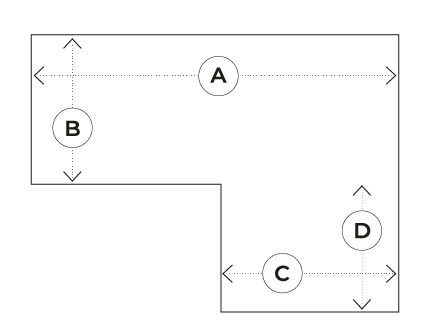
Example One: Rectangle Rooms
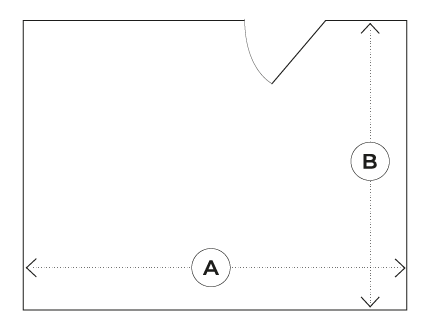
Example Two: Odd Shaped Rooms