When it comes to flooring, the rise of click and lock engineered wood has been nothing short of revolutionary. But is it truly a game-changer or just a clever marketing strategy designed to lure you in with promises of ease and affordability? This guide will break down everything you need to know to help you decide whether click and lock engineered wood flooring is right for your space.
By the end of this post, you’ll have a solid understanding of what click-and-lock flooring offers—and whether it’s worth your investment.
Before we get into the pros and cons, let’s first clarify what exactly click and lock engineered wood flooring is. Here’s the lowdown:
Engineered Wood ≠ Solid Wood: Engineered wood flooring consists of a layered structure with a hardwood veneer on top and layers of plywood or HDF (high-density fibreboard) beneath. This makes it more stable than traditional hardwood, especially in fluctuating temperatures and humidity.
Click and Lock = No Glue, No Nails, No Fuss: The magic lies in the system used to join the planks together. Unlike traditional hardwood, which requires glue or nails for installation, click-and-lock planks simply snap into place: no messy adhesives, no nails, just a secure, easy connection.
To simplify it further, think of it like LEGO for your floors—snap, click, done. The planks lock together without additional tools, making the installation quick and hassle-free.
The concept sounds appealing. Here’s why so many homeowners are flocking to click and lock engineered wood flooring:
One of the most significant selling points is the speed of installation. Whether you’re a DIYer or hiring a professional, the process is quick. This can save you time and money compared to traditional flooring options, which require more effort and expertise.
You don’t have to be a seasoned professional to install click and lock flooring. Even your clueless cousin could pull it off. This makes it a popular choice for homeowners who want to do the task themselves without calling in a contractor.
Click and lock flooring can be installed over various subfloors, including concrete and radiant heating systems. It’s a flexible option for all spaces, from living rooms to basements.

As with anything that sounds too good to be true, there are some downsides to consider before you rush out and grab a box of planks:
While engineered wood is generally more stable than solid wood, the seams where the planks click together can weaken over time, particularly in areas with high moisture. This can lead to gaps or even the boards coming apart.
Installation may seem like a breeze on the surface, but it’s not always smooth sailing. If your subfloor is uneven, you might face a frustrating installation process. The click-and-lock system is forgiving, but you could be in for a rough ride if the surface beneath isn’t level.
What is the biggest drawback of click and lock engineered wood flooring? Repairing it can be a real hassle. If a plank gets damaged, you may need to remove multiple pieces to get to the one you want to replace. This makes repairs more complicated and time-consuming than traditional hardwood flooring, which can often be spot-repaired.
Let’s take a moment to compare click and lock engineered wood with traditional flooring options so you can see how it stacks up.
| Feature | Click and Lock | Traditional (Glue/Nail) |
|---|---|---|
| Installation Time | Fast (DIY possible) | Slow, requires pros |
| Durability Over Time | Moderate (depends on care) | High (more stable in the long term) |
| Repair Complexity | High (disassembly needed) | Low (spot repairs easier) |
| Cost | Lower upfront, variable later | Higher upfront, less over time |

Click and lock engineered wood flooring can be the perfect fit for sure homeowners, but it’s not ideal for everyone. Here’s who should—and shouldn’t—opt for this flooring solution:

To make sure your click and lock flooring installation goes smoothly and lasts longer, here are some expert tips:
Ensure the Subfloor is Perfectly Level: This is the most critical step in ensuring a successful installation. Uneven subfloors can lead to problems, so ensure your base is as smooth as possible.
Acclimate the Planks: Before installation, let your planks acclimate to the temperature and humidity of your home. This reduces the chances of expansion or contraction after they’re installed.
Don’t Skimp on Underlayment: Underlayment plays a critical role in reducing noise, improving stability, and increasing the lifespan of your flooring. Choose the correct underlay to suit your home’s needs.
Click and lock engineered wood flooring isn’t a one-size-fits-all solution. It offers a fast, cost-effective, and DIY-friendly option for those seeking a quick fix, but it has drawbacks. You should look elsewhere if you’re after long-term surety, custom finishes, or a high-traffic solution.
However, if you’re looking for a quick, easy, and budget-friendly flooring solution, clicking and locking engineered wood could be just what you need.
Not sure if click and lock is right for your space? Reach out to The Flooring Masters for expert advice. We’ll help you weigh the pros and cons based on your unique needs—because significant flooring decisions aren’t made on trends alone.

Example One: Rectangle Rooms
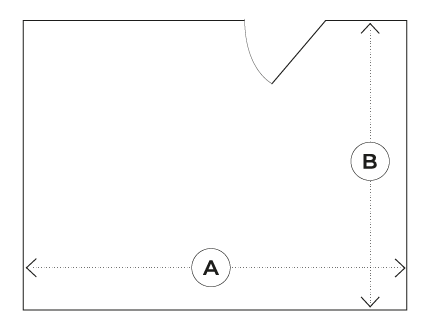
Example Two: Odd Shaped Rooms