Ever wondered if thinner flooring can offer premium quality without breaking the bank? The answer lies in 10mm engineered wood flooring, a versatile and cost-effective option that is becoming increasingly popular.
This blog’ll explore why 10mm engineered wood flooring is gaining traction, what makes it unique, and whether it’s the right choice for your home. By taking a balanced approach, we’ll weigh its strengths and limitations to help you make an informed decision.
One of the key selling points of 10mm engineered wood flooring is its ability to balance cost, performance, and style. Unlike thicker options such as 12mm or 15mm, 10mm flooring offers a sleek profile that doesn’t compromise durability or aesthetics.
The 10mm option provides homeowners with a practical choice that fits seamlessly into modern spaces. Its thinner profile makes it lightweight and easier to handle while retaining real wood’s premium look.
While thicker flooring, like 12mm and 15m,m may offer added stability and a deeper wear layer, they often come at a higher price point. For most residential applications, 10mm flooring perfectly balances affordability and functionality.
There’s a common misconception that “thicker always equals better.” While thickness can play a role in durability, advancements in engineered wood technology mean that 10mm options can perform just as well in many scenarios.

The flooring industry is evolving, and 10mm engineered wood flooring is at the forefront of several key trends. Here’s what to expect in 2025:
As eco-consciousness grows, manufacturers are introducing recycled materials and low VOC (volatile organic compound) finishes into their flooring products. This makes 10mm engineered wood a sustainable choice for the environmentally aware homeowner.
Consumers are demanding greater customisation, with a surge in bespoke finishes and a wider range of colours. Whether you prefer a rustic oak or a modern grey wash, 10mm flooring can cater to diverse tastes.
The shift towards online shopping has changed how people buy flooring. Virtual previews and detailed product descriptions make it easier for consumers to choose the perfect 10mm flooring from the comfort of their homes.

Hidden costs, such as those associated with installation and underlay, can catch buyers off guard. Always factor in these additional expenses when budgeting.
Not all homes or climates are suited to 10mm flooring. For example, high-moisture areas like basements may require alternative options.
Be cautious of vague sustainability claims. Ask manufacturers about the source of their materials and certifications to ensure you’re making an eco-friendly choice.

10mm engineered wood flooring is an excellent choice for many, but it’s not a one-size-fits-all solution. It works best in residential spaces with even subfloors and moderate foot traffic. However, thicker options might be worth considering if your home has uneven surfaces or requires flooring for high-impact areas.
Choosing the right flooring isn’t just about aesthetics; it’s an investment in your lifestyle. With its affordability, style, and performance blend, 10mm engineered wood flooring can be a game-changer for homeowners.
Ready to explore your options? Visit The Flooring Masters for expert advice and top-quality products that meet all your flooring needs.

Example One: Rectangle Rooms
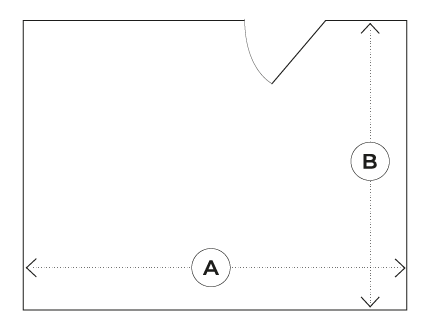
Example Two: Odd Shaped Rooms