Engineered wood flooring has become a popular choice among homeowners and interior designers for its blend of elegance, durability, and affordability. Combining the natural beauty of hardwood with the resilience of modern manufacturing techniques, it’s no wonder this flooring option is a go-to solution for many. But just how long does engineered wood flooring last? Understanding its lifespan is crucial to maximising your investment and ensuring long-term satisfaction.
Beyond its practical benefits, engineered wood flooring is also celebrated for its versatility. Available in a wide range of colours, textures, and finishes, it complements diverse interior styles—from classic to contemporary. Its ability to mimic the appearance of solid wood while offering enhanced stability makes it an attractive option for various spaces, including kitchens and basements where solid wood might not perform as well.
This guide explores the factors that influence its durability and how you can make your flooring stand the test of time.
The wear layer is a critical component of engineered wood flooring, consisting of a top veneer of real hardwood. This layer plays a significant role in determining durability. Thicker wear layers (generally 3mm or more) allow for refinishing and provide greater resistance to daily wear and tear. Floors with a thinner wear layer may not offer the same longevity and are more prone to visible damage over time.
Beneath the wear layer lies the core, typically made of plywood or high-density fibreboard (HDF). The quality of this core impacts the floor’s overall stability and durability. Plywood cores are known for their robust structure and ability to withstand moisture, while HDF cores offer excellent strength and density. Choosing a product with a high-quality core ensures better resistance to warping, cupping, or cracking.
The type of wood used in the wear layer also affects longevity. Hardwoods like oak and maple are more durable than softer woods such as pine. Additionally, the finish applied to the surface, such as UV-cured polyurethane, enhances the flooring’s resistance to scratches, stains, and fading, extending its lifespan.

On average, engineered wood flooring lasts between 20 and 30 years. However, properly maintained, premium-quality options can endure for up to 50 years or more. Factors like the quality of materials, installation practices, and upkeep significantly impact its longevity. Real-life testimonials from homeowners often highlight the impressive durability of well-chosen and carefully maintained engineered wood floors, reinforcing their value as a long-term investment.
Proper care is essential to ensure your engineered wood flooring reaches its maximum lifespan. Here are some maintenance practices to follow:
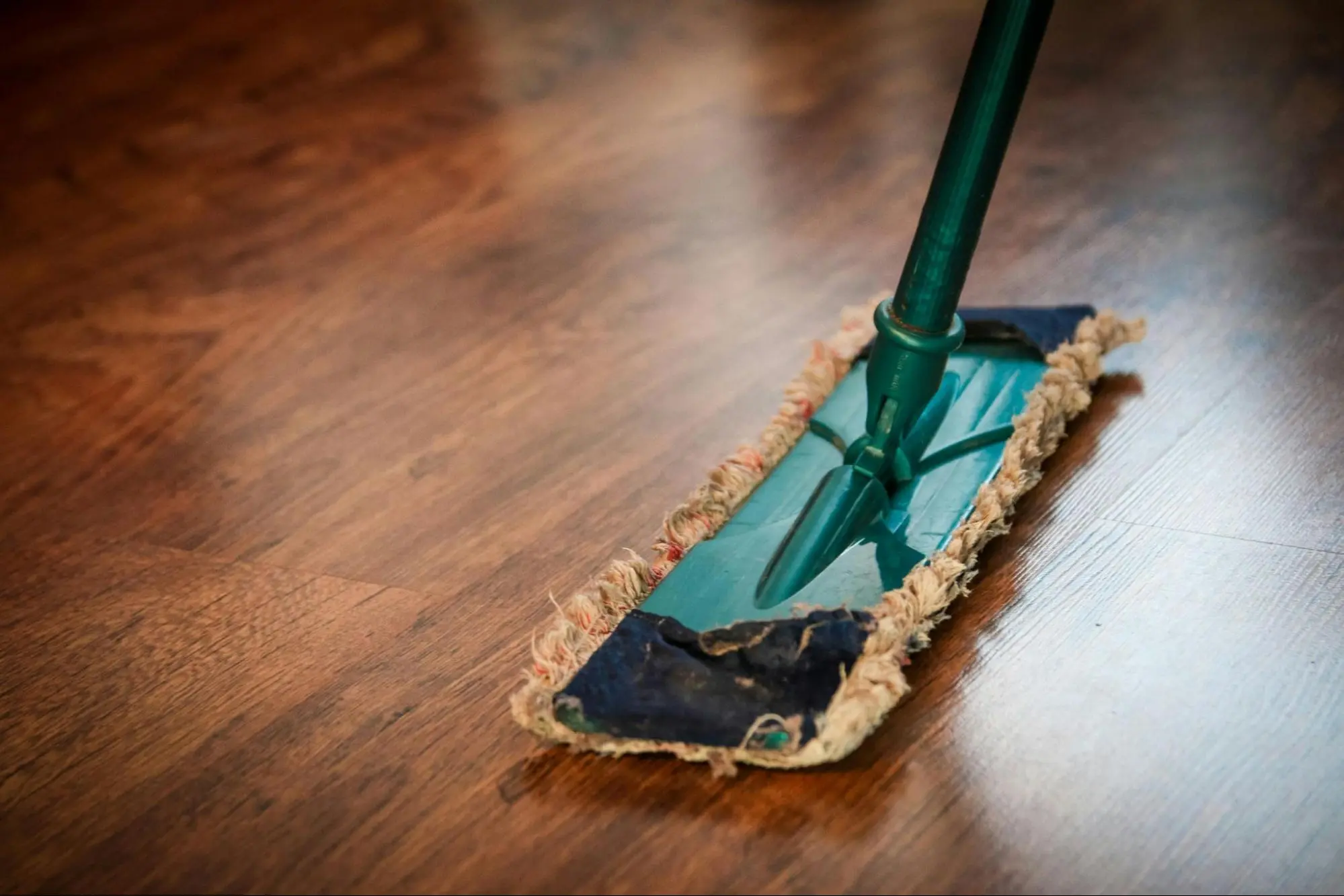
Routine dusting and vacuuming prevent the accumulation of dirt and debris, which can scratch the surface. Use cleaning agents specifically designed for wood flooring to avoid damaging the finish.
Protective pads under furniture legs and rugs in high-traffic areas are simple yet effective measures to reduce wear. Avoid walking on the flooring with sharp or high-heeled shoes to prevent dents.

Maintaining an ideal indoor humidity level (typically 45-65%) prevents the wood from expanding or contracting excessively. Use a humidifier or dehumidifier as needed to maintain a stable environment.
Prolonged exposure to direct sunlight can cause fading or discolouration. Install UV-blocking window treatments or use area rugs to shield the flooring from harmful rays.
Unlike solid wood floors, engineered wood flooring can be refinished only if the wear layer is thick enough. Refinishing involves sanding down the surface to remove scratches and applying a fresh coat of finish. This process can significantly extend the flooring’s lifespan and restore its appearance. However, it is essential to consider the cost of refinishing versus replacing the flooring, especially for thinner wear layers that may not support multiple refinishing cycles.
The lifespan varies significantly based on quality, wear layer thickness, and core construction. Investing in higher-quality products pays off in durability and longevity. Floors with thicker wear layers tend to resist scratches and dents better, allowing them to last much longer compared to cheaper alternatives. Choosing a reputable brand can also make a significant difference in overall performance.
Neglecting proper care leads to premature wear and tear. Regular cleaning and damage prevention are essential to maximise the flooring’s lifespan. Simple tasks like wiping up spills quickly and avoiding harsh chemicals can prevent damage. Additionally, using protective pads under furniture can go a long way in keeping the surface intact.
While factory-applied finishes are highly durable, they require ongoing care to maintain appearance and functionality. Ignoring maintenance needs can result in a shorter lifespan. Even with a factory finish, floors can still be vulnerable to scratches and scuff marks. Regular re-coating or buffing can help maintain the lustre and protect the surface from wear.

To ensure your flooring investment lasts for decades, consider the following:
The lifespan of engineered wood flooring depends on several factors, including wear layer thickness, core quality, and maintenance practices. By understanding these elements and investing in high-quality products, you can enjoy beautiful, durable flooring for decades. From regular cleaning to humidity control, proper care further enhances longevity, making engineered wood flooring a reliable and stylish choice for any home.
Ready to upgrade your flooring? Explore our premium engineered wood flooring options at The Flooring Masters, where quality meets value. Order your free sample today and make a lasting investment in your home.

Example One: Rectangle Rooms
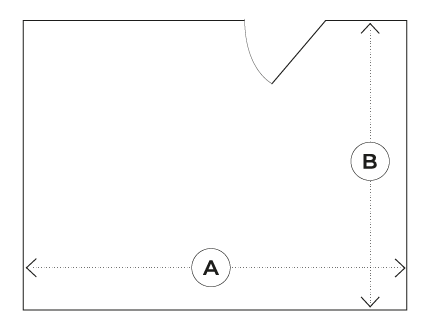
Example Two: Odd Shaped Rooms