Top 10 Things to Look for in Engineered Wood Flooring

Engineered wood flooring offers the timeless beauty of natural hardwood with enhanced durability, making it a popular choice for modern homes. However, selecting the right flooring requires understanding the key factors influencing quality, appearance, and performance. 

This guide dives deep into what you must consider when choosing engineered wood flooring to ensure your investment is worthwhile.

Material Quality and Core Construction

The core of engineered wood flooring determines its structural integrity and longevity.

Core Materials:

  1. High-Density Fibreboard (HDF): Known for its exceptional stability and resistance to warping, HDF is ideal for spaces prone to fluctuating humidity levels.
  2. Plywood: Offers better moisture resistance and a robust structure, making it suitable for kitchens or basements.

Popular Wood Species:


Engineered wood flooring often features a top veneer made from oak, maple, hickory, and walnut.

  1. Oak: Classic and versatile, offering a uniform grain and high durability.
  2. Hickory: Harder and more resilient, perfect for high-traffic areas.
  3. Walnut: Rich and dark, ideal for luxury aesthetics.
  4. Maple: Light and contemporary, great for minimalist designs.

Top Veneer Layer Thickness

The top veneer, or wear layer, is critical to determining the flooring’s lifespan and maintenance options.

Why It Matters: A thicker wear layer allows for multiple refinishing cycles, extending the floor’s durability over decades.

 Recommended Thickness:

    1. 2mm: Suitable for light use but with limited refinishing potential.
    2. 3-4mm: Provides a balance between cost and durability, allowing refinishing 1–2 times.
    3. 5-6mm: Premium options with excellent durability and refinishing capabilities, ideal for long-term investment.

Plank Dimensions: Width and Length

The size of the planks influences both aesthetics and practicality.

 Plank Width:

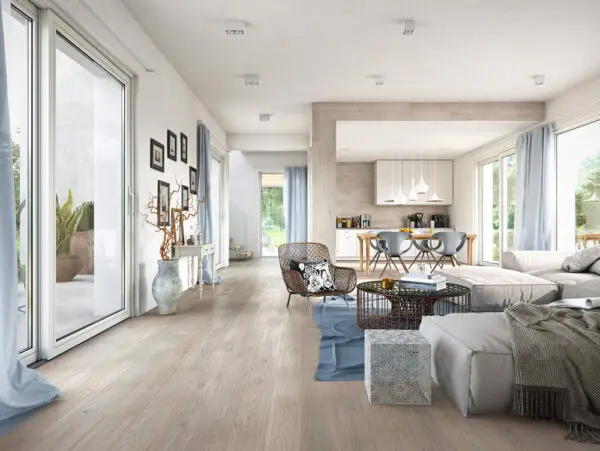
  1. Wide Planks (5–8 inches): Create an expansive, open look, perfect for modern or rustic interiors.
  2. Narrow Planks (3–4 inches): Offer a traditional appearance and work well in smaller spaces.

Plank Length:

  1. Longer Planks (over 6 feet): Enhance visual continuity and reduce the number of visible seams.
  2. Shorter Planks: These are more affordable but can make spaces feel busier.

Finish and Appearance

The finish impacts the flooring’s look, feel, and durability.

Types of Finishes:

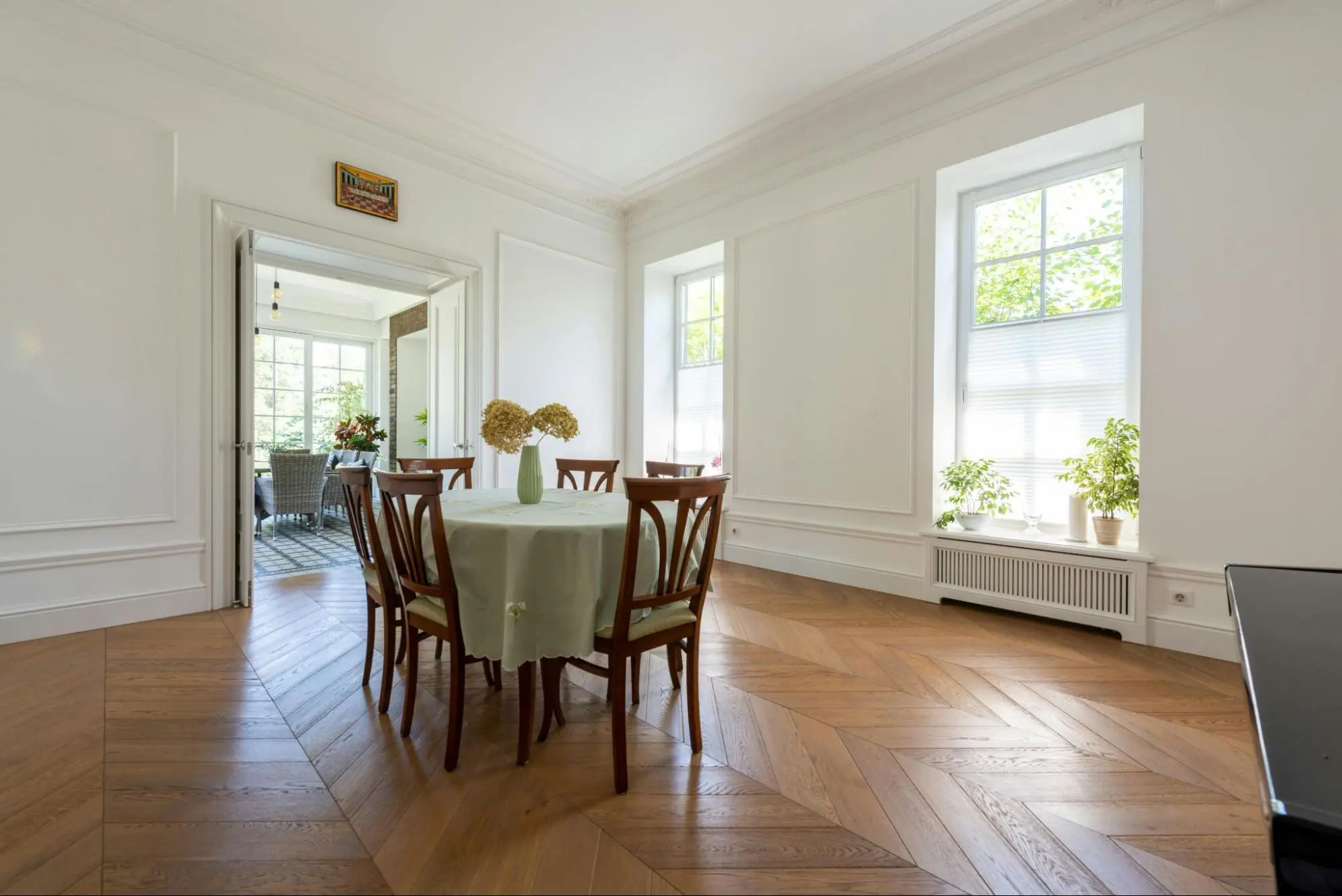
  1. Matte: Provides a natural, understated look that hides scratches and dust.
  2. Semi-Gloss: Strikes a balance between shine and practicality.
  3. Glossy: Offers a polished, luxurious appearance but can highlight imperfections.

Colour and Grain:

    • Choose tones that match your décor. Lighter shades create a spacious feel, while darker hues add warmth.
    • Grain patterns, straight or rustic, can complement modern or traditional styles.

Installation Methods

How engineered wood flooring is installed affects its performance and ease of maintenance.

  • Floating:
  1. It involves snapping planks together without glue or nails.
  2. Easy to install and remove, suitable for DIY projects.


  • Glue-Down:

  1. It offers a more secure fit, reducing movement and noise.
  2. Requires a level subfloor and professional installation.
  • Nail-Down:
  1. It is ideal for wood subfloors, providing the most stable results.
  2. Labour-intensive and best left to experts.


Durability and Maintenance

Engineered wood flooring is built to last, but not all products are equally resilient.

  • Moisture Resistance: Flooring with plywood cores is better suited to handle high-moisture environments.
  • Scratch Resistance: Opt for finishes with aluminium oxide or similar protective coatings.
  • Maintenance Tips:
    • Use soft-bristle brooms or vacuum cleaners with hardwood settings.
    • Avoid water puddles and clean up spills promptly.
    • Apply protective pads to furniture to minimise scratches.

Warranty and Brand Reputation

A good warranty reflects a manufacturer’s confidence in their product.

  • Key Warranty Features:
    • Coverage for wear and tear (look for at least 20–30 years).
    • Protection against structural defects and moisture damage.
  • Assessing Brands
    • Choose brands with positive reviews and strong customer support.
    • Avoid manufacturers with vague warranty terms or limited product information.

Budget Considerations

While engineered wood flooring can fit various budgets, understanding price-quality dynamics is essential.

  • Entry-Level Options: Affordable but often feature thinner veneers and lower durability.
  • Mid-Range Choices: Balanced options with decent thickness and durable finishes.
  • Premium Flooring: High-quality cores, thick veneers, and extensive warranties.

Investing in quality flooring upfront can save money on repairs and replacements later.

Sustainability and Certifications

Eco-conscious buyers should prioritise sustainability in their flooring choices.

Certifications:

      • FSC (Forest Stewardship Council): Ensures responsible forestry practices.
      • PEFC (Programme for the Endorsement of Forest Certification): Guarantees sustainable sourcing.

Eco-Friendly Features:

    • Low VOC emissions to improve indoor air quality.
    • Recycled or renewable materials in core construction.

Additional Tips for Buyers

  1. Evaluate Quality: Inspect the flooring for uniform thickness, consistent grain patterns, and sturdy cores.
  2. Request Samples: Testing the look and feel of the flooring in your home environment is crucial for matching colours and textures.
  3. Subfloor Preparation: Ensure your subfloor is clean, level, and dry before installation.

Your Path to Perfect Flooring

Selecting the right engineered wood flooring involves understanding technical details and aligning them with your style preferences. From material quality and finishes to plank sizes and certifications, each factor ensures your flooring looks stunning and lasts for years.

At The Flooring Masters, we provide a curated selection of premium engineered wood flooring options that balance quality, aesthetics, and sustainability. Explore our range today, order a free sample and take the first step towards creating your dream home.

MORE ARTICLES

  • Mon - Fri: 9am - 7pm

    Sat: 9am - 5pm

    Sunday: closed

    How to measure my room

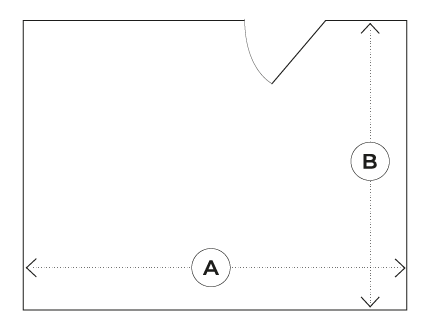
    Example One: Rectangle Rooms

    Example Two: Odd Shaped Rooms
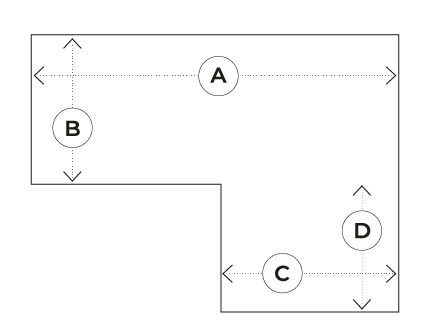
    Don't forget to add an extra 10%
    to the total area(m2) to account for any wastage