Engineered wood flooring may seem the perfect match for underfloor heating, but let’s not jump to conclusions just yet. While it’s widely recommended, we must consider if this combination is optimal for every situation. It’s time to challenge the assumptions and look beyond the surface.
The objective here isn’t to dissuade you from choosing engineered wood for your home. Instead, it’s to offer a more balanced, data-driven perspective. After all, flooring and heating are significant investments, and making an informed choice could save you time, money, and frustration in the long run.
Engineered wood flooring is often touted as a compatible option for underfloor heating, and for a good reason—it can work well in many cases. However, it’s essential to be aware that wood, as a natural material, doesn’t transfer heat as efficiently as alternatives like tile or stone. This could impact the overall heating performance, especially in rooms where you need the warmth to be consistent and efficient.
The belief that engineered wood is universally suitable for underfloor heating may be overstated. While compatible, it may not always be the most energy-efficient choice regarding heat transfer. It’s essential to weigh the benefits against alternatives to see if engineered wood truly offers the best performance for your needs.
Engineered wood is often marketed for its stability, especially in fluctuating temperatures. While it is generally more stable than solid wood, it’s still susceptible to minor expansion and contraction under fluctuating heat. These temperature changes can sometimes affect the floor over time, but proper installation and maintenance can manage these effects.
Industry standards often recommend a 14mm to 16mm thickness for engineered wood flooring. While this is a standard guideline, it’s worth considering whether this thickness is essential for your installation. In some cases, this thickness may be more about aligning with industry practices than a requirement for optimal performance. It’s critical to assess whether this thickness enhances the floor’s ability to handle heat or is more about standardised expectations.
You can make a more informed choice by understanding these factors and considering your individual heating system and room setup.
Running underfloor heating isn’t free. It’s energy-intensive, and when combined with engineered wood, it might reduce overall heat efficiency. The costs of maintaining a comfortable temperature could be higher than anticipated. If you opt for electric heating, consider whether it is truly the most cost-effective system for your home. Hydronic (water-based) systems are another option, but not all are suitable for engineered wood flooring use.
The industry often claims 27°C (81°F) is the ideal temperature for underfloor heating with engineered wood. But is this genuinely safe for the long term? There’s a risk that consistent exposure to high temperatures can cause thermal shock, which might impact the longevity of your flooring. It’s essential to consider what happens when temperatures exceed these limits carefully.
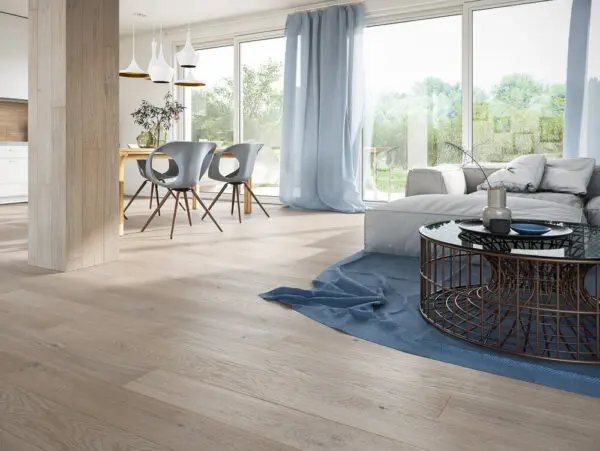
A double-edged sword: While the glue-down method is often touted as the best approach, it’s not foolproof. Even the best glue can fail over time, especially if the surface isn’t properly prepared or the heating system isn’t installed correctly. If the glue fails, it could ruin your engineered wood floor and heating system, creating an expensive and frustrating problem.
The unseen nightmare: The quality of your subfloor is often the most overlooked aspect of installation. Poor subfloor preparation can lead to uneven surfaces, causing the flooring to warp or buckle. Ensuring your subfloor is perfectly level and clean is crucial for a successful installation. Cutting corners here could mean you’ll be dealing with significant headaches in the future.
One downside of engineered wood with underfloor heating is that the floor takes longer to heat up than alternatives like tile or stone. This can be inconvenient if you rely on your underfloor heating to maintain a comfortable temperature quickly.

If you’re using underfloor heating with engineered wood, your heating system might have to work harder to achieve the same warmth levels that tile or stone could provide. This could increase energy consumption, pushing your heating bills higher than expected. The trade-off between energy efficiency and aesthetic appeal may not always be worth it.
Not as simple as it sounds: Engineered wood floors can look stunning, but how do they fare under the constant heating and cooling of underfloor systems? The regular expansion and contraction of the floor can increase wear and tear, making it more prone to damage. Maintenance costs could rise, so consider whether you’re willing to put in the effort for long-term upkeep.
Even with the glue-down method, there are risks involved. Many people assume that simply using the recommended installation method guarantees success. However, issues such as improper glue choice or subpar technique can lead to problems. Are you overestimating your DIY skills? Hiring a professional installer may be worth the extra cost to ensure the job is done right.
Many guides emphasise the importance of acclimating your engineered wood before installation, but it’s surprising how often this step is skipped. Not allowing the wood to adjust to room temperature before laying it down can lead to cracks, warping, or gaps as the material expands or contracts. Don’t underestimate the need for proper acclimatisation – it’s a critical step in ensuring the longevity of your floor.
It’s time to acknowledge that engineered wood flooring is not always the best for underfloor heating. If you’re prioritising efficiency and energy savings, better alternatives are available. Materials like tile, stone, or even carpet with underfloor heating can outperform engineered wood in heat transfer. These alternatives can provide more effective and efficient heating, reducing energy costs and improving the overall performance of your system.
At The Flooring Masters, we pride ourselves on offering high-quality engineered wood flooring, but we won’t mislead you. We have some of the best options available if you’re set on engineered wood. However, if you’re looking for the most energy-efficient solution, we’ll be honest and help you explore alternatives that could better fit underfloor heating.

Example One: Rectangle Rooms
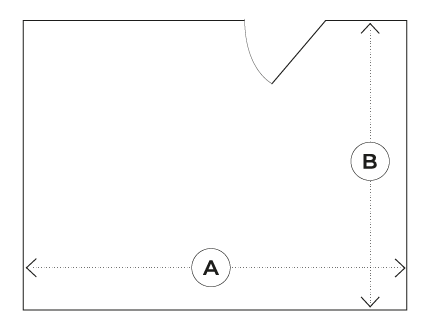
Example Two: Odd Shaped Rooms