You’ve probably seen the striking, zigzag pattern of herringbone engineered wood flooring and admired its timeless elegance. But before committing to this bold design for your home, it’s important to weigh both its aesthetic appeal and practicality. While herringbone floors can transform a space, there are several factors to consider when deciding if this style is right for your needs.
In this guide, we’ll break down the essential details you need to know about herringbone engineered wood flooring—from its unique visual impact to its long-term durability. By the end, you’ll be able to determine whether this sophisticated flooring choice is the perfect match for your home’s style, functionality, and lifestyle. Let’s explore the pros and cons so you can make an informed, confident decision.

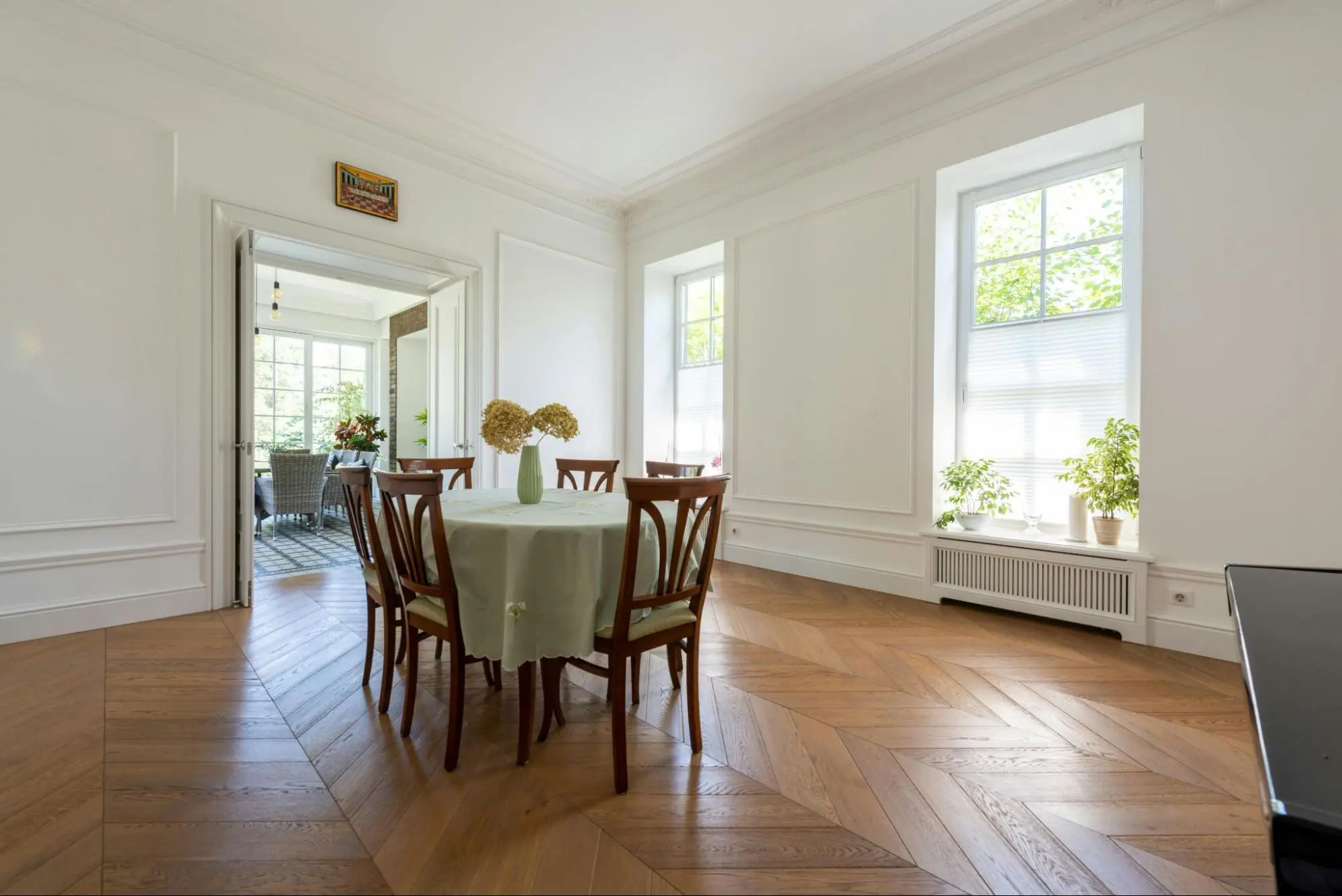
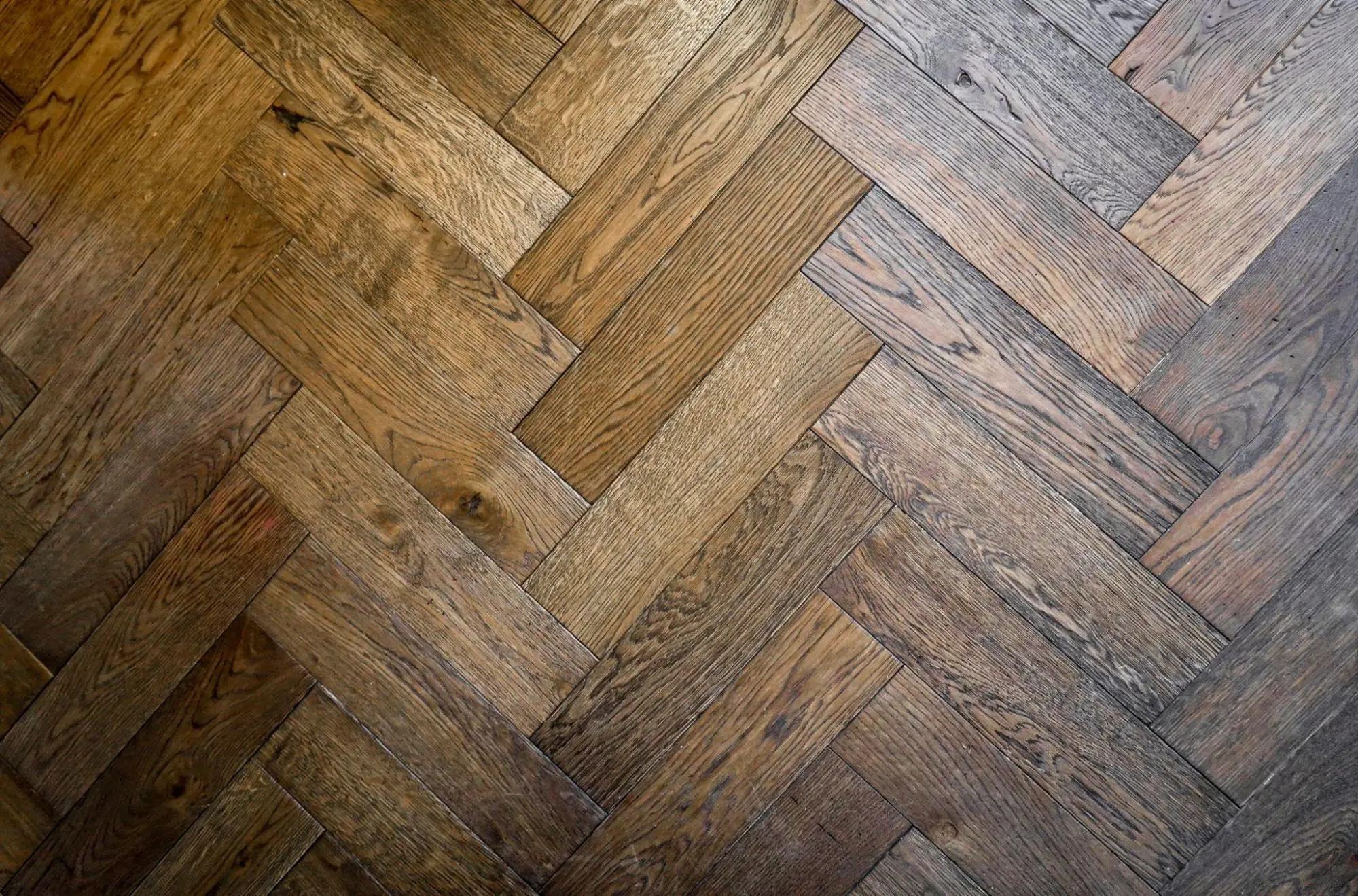
If you’re looking to make your flooring the focal point of a room, herringbone engineered wood delivers. The pattern adds depth, texture, and timeless charm, making it an excellent choice for a variety of spaces.
Herringbone engineered wood comes in a range of finishes, making it suitable for both modern and traditional interiors. Whether you’re looking to update your living room or enhance a classic dining area, herringbone complements a wide array of styles.
Engineered wood is more durable than solid wood, especially in rooms with fluctuating humidity or temperature. Its layered construction helps prevent warping or shrinking, making it a great choice for spaces like kitchens, bathrooms, or basements.
One of the standout features of engineered wood is its low maintenance. Unlike solid wood, it requires less upkeep. A simple cleaning routine and occasional refinishing are all that’s needed to keep your herringbone floors looking fresh.

While herringbone engineered wood can be more expensive than traditional planks, it offers a higher-end look that may increase your home’s value. The durability and aesthetic appeal make it a worthwhile investment for homeowners who want to add a touch of luxury to their spaces.
Herringbone engineered wood isn’t the easiest to install, especially when compared to traditional planks. The unique pattern requires precision and attention to detail, which is why many people opt for professional installation to ensure a flawless finish.
Yes, herringbone engineered wood can be more expensive. However, it’s important to remember that the cost reflects the quality, design, and long-term value it adds to your home. Think of it as an investment in both aesthetic appeal and durability.
| Flooring Type | Price per Square Meter | Factors Affecting Price |
|---|---|---|
| Standard Herringbone Engineered Wood | £30 - £50 | Basic designs, fewer premium features |
| Premium Herringbone Engineered Wood | £50 - £75 | Higher quality wood, intricate patterns, and enhanced finishes |
| Luxury Herringbone Engineered Wood | £75 - £100 | Premium finishes, exotic wood types, custom designs |
This cost breakdown gives you a general idea of what to expect when investing in herringbone engineered wood flooring for your home.

When selecting your flooring, ensure that the wood finish complements the existing décor in your home. Whether your space is contemporary or traditional, there is a herringbone style that will suit your needs.
Investing in quality is crucial. Don’t compromise on quality to save money, as high-quality engineered wood will last longer and retain its beauty over time. Cheaper options may wear down faster and require more maintenance, costing you more in the long run. Always choose a reputable supplier for the best durability and finish.
If you plan to install the flooring yourself, ensure you have the proper tools and the time to do it properly. If not, hiring a professional can save you from the hassle and guarantee a smooth installation process.
Herringbone engineered wood flooring isn’t just a passing trend—it’s a timeless design choice that can elevate the style and value of your home. With its distinctive pattern and durable construction, it offers both beauty and practicality.
The Flooring Masters offers a wide selection of herringbone engineered wood flooring. Order a free sample today to see how this elegant flooring can enhance your home. Take your time in choosing the right style and design for your space, and make a lasting impression with your flooring.

Example One: Rectangle Rooms
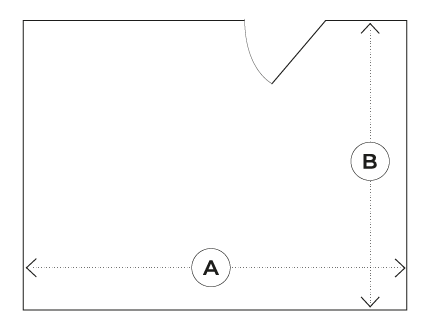
Example Two: Odd Shaped Rooms