Flooring acclimation is a topic that stirs plenty of debate in interior design and home improvement. While many assume it’s a non-negotiable step in the installation process, the reality is more nuanced. Not all flooring types require the same level of acclimation; in some cases, it may not be necessary. Let’s explore the concept of acclimation, when it matters, and whether it’s worth your time and effort.
Acclimation refers to allowing flooring materials to adjust to the temperature and humidity levels of the room in which they will be installed. This practice minimises issues like warping, buckling, or gapping after installation.
However, not all flooring materials respond to environmental changes similarly. Traditional solid wood flooring, for instance, is susceptible to fluctuations in moisture, making acclimation a crucial step. On the other hand, modern engineered wood and vinyl flooring are designed to be more stable, often requiring little to no acclimation.
Professionals in the industry have encountered varying outcomes: some installations have gone smoothly without acclimation, while others have suffered costly consequences. This underscores the importance of understanding your specific flooring type and its requirements.
The answer depends on the type of flooring and the conditions of the space. In many cases, especially with newer products like engineered wood or vinyl, acclimation can be unnecessary. These materials are crafted to withstand environmental changes better than traditional hardwood.
Manufacturer guidelines are your best resource here. Some engineered wood and vinyl flooring products are pre-treated and stabilised, meaning they can be installed immediately without risk. Conversely, skipping acclimation for hardwood flooring can lead to significant issues, as it’s particularly susceptible to moisture changes.

Not all flooring materials are created equal when it comes to acclimation. While some demand careful preparation, others are far more forgiving. Understanding these differences is key to making informed decisions and ensuring a flawless installation.
| Flooring Type | Acclimation Needed | Key Considerations |
|---|---|---|
| Hardwood Flooring | Minimum 72 hours, potentially longer in humid areas | Highly sensitive to moisture; prone to warping or gaps |
| Engineered Wood Flooring | Typically 24–48 hours | More stable than hardwood but still benefits from acclimation |
| Vinyl & Laminate | Often no acclimation is required | Designed to withstand environmental changes effectively |
By tailoring your approach to the specific needs of your flooring type, you can save time where possible while avoiding unnecessary risks. A little preparation goes a long way toward a successful, hassle-free installation.
The Flooring Masters offers a wide selection of flooring options to suit every need. If you’re deciding on the perfect type, explore our extensive catalogue and order a free sample directly from our website.

If acclimation is required, follow this step-by-step guide to get it right:
By following these steps, you can ensure your flooring is fully acclimated, preventing any future problems or complications.

At first glance, skipping acclimation might seem like a quick way to streamline your project. However, the hidden costs of this decision—ranging from repairs to complete replacements—can be substantial. Let’s explore the potential financial risks.
| Problem | Potential Cost | Common Causes |
|---|---|---|
| Warping | £500–£2,000+ (depending on extent) | Caused by rapid expansion due to humidity changes |
| Buckling | £1,000–£3,000 (full floor replacement) | Flooring lifting from improper expansion gaps |
| Gapping | £200–£500 (minor repairs) | Contraction from inadequate moisture adjustment |
Proper acclimation is a small investment of time compared to the hefty price of fixing problems later. By taking this crucial step, you can protect your flooring and enjoy peace of mind for years to come.
The decision to acclimate flooring depends on multiple factors, including the type of flooring, the environment of the room, and the manufacturer’s recommendations. While some modern materials like vinyl and engineered wood may not require extended acclimation, traditional hardwood flooring almost always does.
Before skipping this step, consider the potential risks and long-term costs. By following the guidelines outlined above, you can ensure a durable, flawless flooring installation.
For high-quality flooring products and expert advice, trust The Flooring Masters to guide you through the process from start to finish.

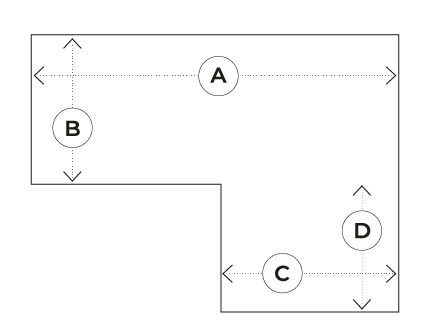
Example One: Rectangle Rooms
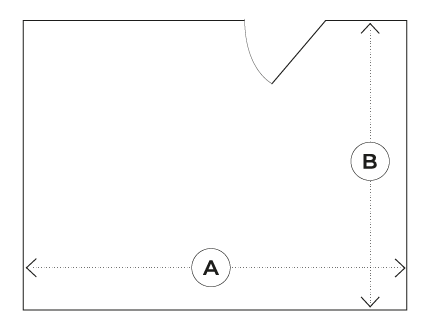
Example Two: Odd Shaped Rooms