During the process of choosing the perfect flooring, we often consider factors like style, colour, and finish. But how often do we stop to think about why thickness matters?
If you’re like most people, you might assume it’s just a minor detail. However, the thickness of your flooring plays a crucial role in everything from durability to how it feels underfoot and even its compatibility with underfloor heating systems. Whether you’re planning a high-traffic commercial space or creating a cozy atmosphere at home, understanding these nuances can make all the difference in the long-term satisfaction of your investment.
Even if you’re a DIY enthusiast looking to spruce up your living room or a homeowner planning a major renovation, understanding the different thickness options is essential. In this guide, we’ll explore the factors that influence thickness, the most popular options available, and how to choose the right thickness for your specific needs.
When selecting the ideal thickness for your flooring, several factors can influence your decision. Below are some key considerations that may affect the thickness you choose.

The thickness of engineered wood flooring directly influences its durability. Thicker flooring options are more robust, making them better suited for areas with heavy foot traffic. They can withstand daily wear and tear, ensuring that your floor remains in excellent condition for years to come. If you’re looking for flooring that can handle the demands of an active household or commercial space, opting for a thicker material is a wise choice.
One of the key advantages of engineered wood flooring is its ability to be sanded and refinished. However, this depends largely on the thickness of the top hardwood layer. Thicker flooring allows for more sanding cycles, which means you can refinish the floor multiple times over its lifespan. This not only extends the life of your flooring but also allows you to refresh its appearance as trends or your tastes change.

Underfloor heating is becoming increasingly popular in modern homes, but it’s essential to consider how the thickness of your flooring affects heat transfer. Thicker flooring may reduce the efficiency of underfloor heating systems, as it can act as an insulator. Therefore, if you’re planning to install underfloor heating, you’ll need to strike a balance between thickness and heat compatibility. Consulting with a professional can help you determine the best option for your specific needs.
The thickness of your flooring also plays a role in its visual appeal. Thicker boards often give a more substantial and luxurious feel, adding depth and character to a room. On the other hand, thinner boards may offer a sleeker, more modern appearance. Your choice will depend on the aesthetic you’re aiming for, as well as practical considerations like room height and door clearance.
If you’re exploring various wood flooring options and need different thickness choices, be sure to visit our website. But before that doing, have a look at the comparison table we have put together to understand various thickness options.
When choosing flooring, the thickness plays a significant role in determining its durability, comfort, and suitability for various applications. Below is a table outlining the most popular thickness options, along with their key features and ideal uses.

| Thickness | Features | Best Suited For |
|---|---|---|
| 14/3mm & 15/4mm | Balanced durability and refinishing potential | Compatible with underfloor heating | Homes with moderate foot traffic | Rooms with underfloor heating |
| 5/8 inch (15mm) | Greater durability | Suitable for higher foot traffic areas | High-traffic areas such as hallways | Commercial spaces |
| 3/4 inch (19mm) | Maximum durability and stability | Allows for multiple refinishing cycles | High-end residential spaces | Areas requiring substantial longevity |
| 7/8 inch (22mm) | Exceptional durability | Ideal for very heavy-duty applications | Commercial spaces | High-end residential settings requiring maximum longevity |
When choosing the thickness of your engineered wood flooring, it’s essential to consider your specific needs. Think about the level of foot traffic in the area, your budget, the aesthetic you’re aiming for, and whether you plan to install underfloor heating. For example, high-traffic areas may benefit from thicker flooring, while spaces with underfloor heating may require a thinner option.
Selecting the right thickness can be a complex decision, especially when balancing factors like durability, refinishing potential, and heating compatibility. Consulting with a flooring expert can provide you with personalised recommendations tailored to your specific situation.
At The Flooring Masters, our experienced team is dedicated to helping you choose the ideal thickness for your flooring, ensuring optimal results tailored to your needs. If you’re unsure which thickness is right for you, reach out to us for expert advice and discover the perfect flooring solution for your home.

Example One: Rectangle Rooms
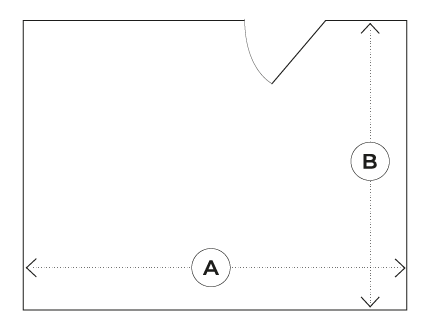
Example Two: Odd Shaped Rooms