Introduction to Wood Floors:
Wood flooring refers to a type of flooring made of hardwood, which is derived from deciduous trees such as oak, maple, and cherry. Wood floors are known for their durability, natural beauty, and long lifespan.
There are two types of wood flooring: solid wood flooring and engineered wood flooring.
Solid wood flooring is made from a single piece of hardwood and is typically ¾ inch thick. It can be sanded and refinished several times over its lifetime.
Engineered wood flooring is made from multiple layers of wood, with a top layer of hardwood veneer. It is more resistant to moisture and can be installed in areas where solid wood flooring is not recommended, such as basements and bathrooms.
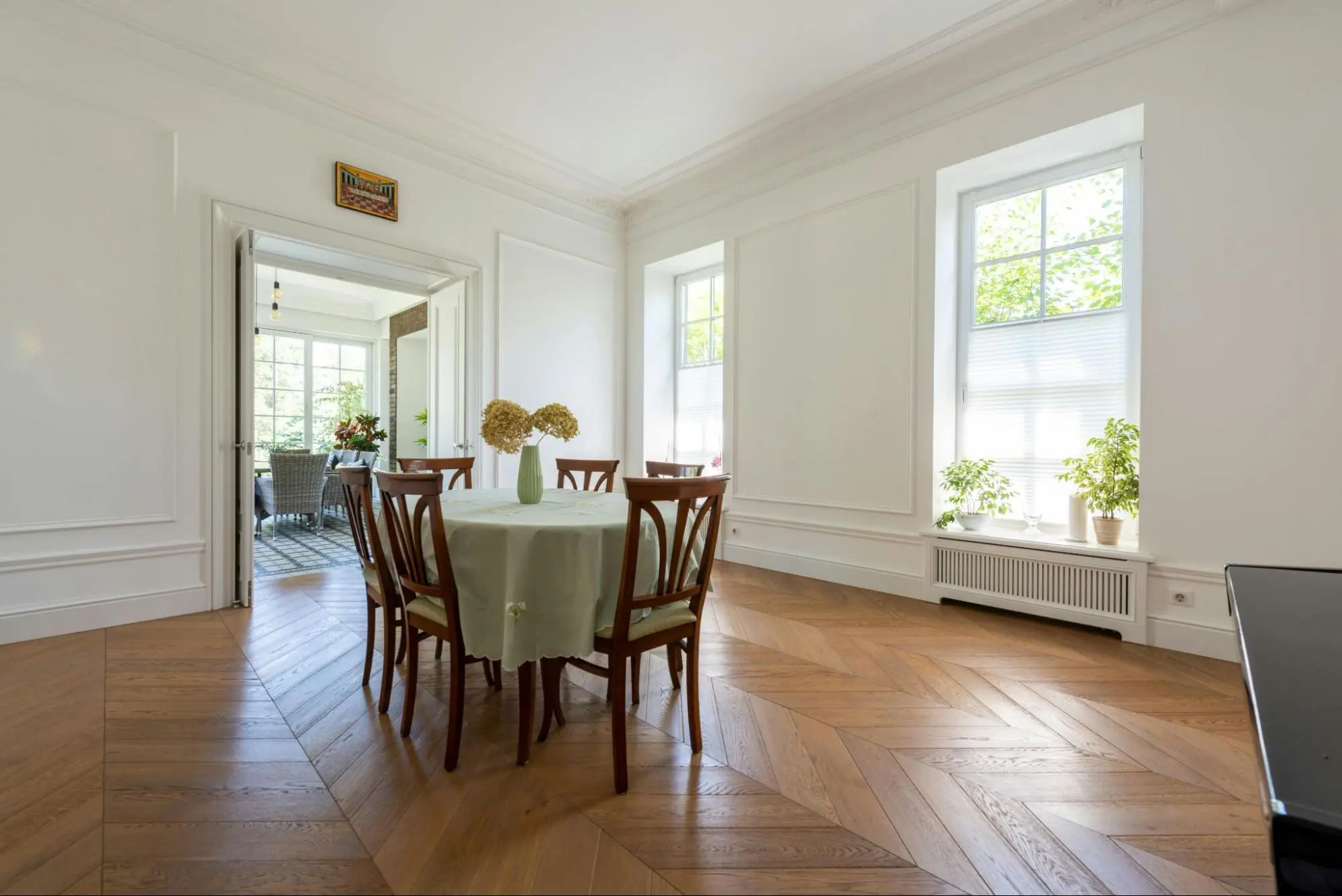
Wood floors come in a variety of colors, textures, and finishes, and can be installed in different patterns such as plank, parquet, or herringbone. They can also add value to a home and are considered a desirable feature in real estate.
How To Fix Squeaky Or Creaky Wood Floors?
Squeaky or creaky wood floors are not only annoying but can also indicate a problem with your flooring. Fortunately, there are several ways to fix this issue. Here are some tips:
Locate the source of the noise: Walk around your floor and identify the areas where the squeaking or creaking sound is coming from.
Tighten loose boards: Use a drill to secure any loose boards. First, locate the squeaky area by walking around the floor while someone else walks on it. Then, use a drill to secure the loose board to the floor joist or subfloor with screws. Make sure to use screws long enough to reach the subfloor or floor joist.
Apply lubricant: If the sound is coming from between two floorboards, try applying a dry lubricant such as talcum powder or graphite powder between the boards. Sprinkle the powder onto the noisy area, then use a soft-bristled brush to work it into the gap. Be sure to wipe off any excess powder with a clean cloth.
Install shims: If the noise is caused by gaps between the subfloor and joists, insert shims into the gap. This will help to stabilize the floor and prevent movement that causes the noise. Use a pry bar to gently lift the subfloor, then insert the shim into the gap.
Replace damaged boards: If a board is damaged or warped, it may need to be replaced. Cut out the damaged section of the board with a circular saw, then install a new board in its place.
Call a professional: If you are unsure about how to fix the issue, or if the noise persists after attempting these fixes, it may be time to call a professional to assess and repair your flooring.
Remember, prevention is key to avoiding squeaky floors in the future. Make sure to keep your wood floors clean and dry, and avoid wearing high heels or shoes with hard soles on your wood floors. Additionally, adding an extra layer of underlayment between your subfloor and the finished floor can help to reduce noise and movement.
Conclusion:
If you’re looking for high-quality parquet flooring or wooden floors, look no further than our website. We offer a wide range of products to suit all budgets and requirements, and our experienced team is on hand to offer expert advice and guidance. So whether you’re looking for a classic parquet floor for your home or a more contemporary wooden floor for your office, we’re sure to have the perfect solution for you.