SAVE UP TO 70%
ENDS – Friday, 31st July
Summer Sale
SAVE UP TO 70%
HURRY! – SALE ENDS – 31st July
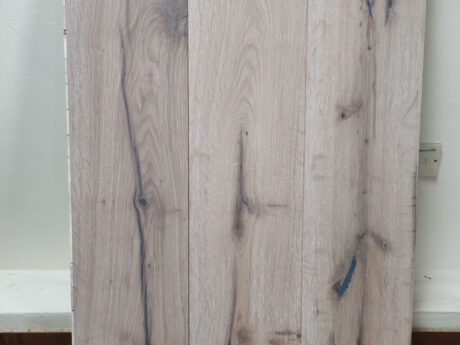
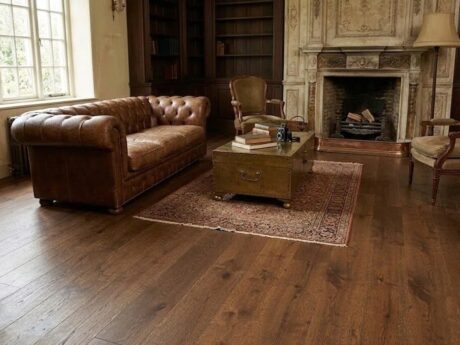
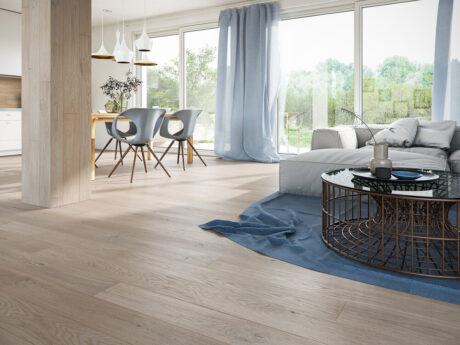
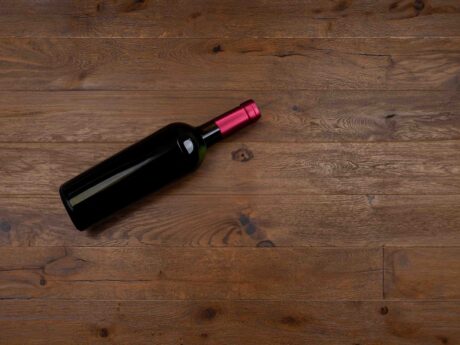
If you’re looking for a polished finish and incredible durability, engineered wood flooring is a great solution. The unique construction of engineered wood flooring is proven to be more resistant to moisture and humidity than solid wood, making it an ideal underfloor heating solution. Our range of engineered wood flooring offers a choice of rich, natural wood species for its wear layer perfect for damp or humid environments.
What are you waiting for? You’ve found the solution to your flooring dilemma. Choose the perfect style for your home and order now!
360 Products
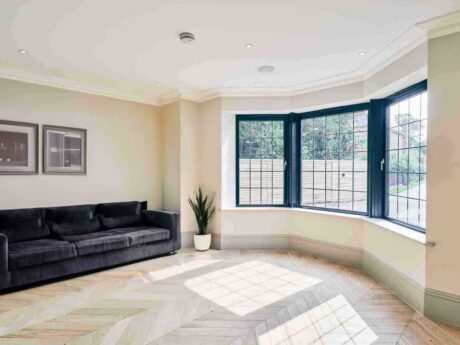
| Save 60%
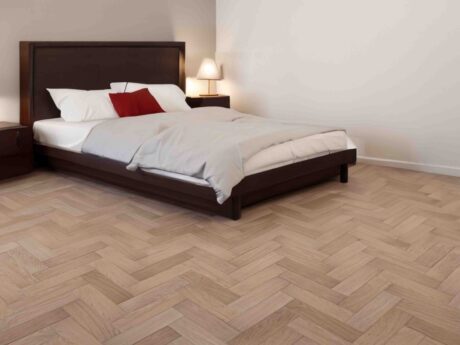
| Save 53%
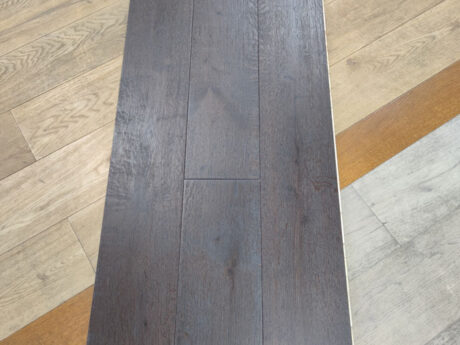
| Save 59%
| Save 65%

| Save 69%

| Save 44%
| Save 57%
| Save 62%

| Save 58%

| Save 60%

| Save 59%

| Save 63%
Engineered wood flooring comes in various types to suit different tastes and needs. The most common are: Multi-ply: Made with multiple layers of plywood for stability. Three-ply: Features a top layer, core layer, and bottom layer. Click-lock: Easy to install with a tongue-and-groove system. Hand-scraped: Offers a rustic, antique look. Brushed and oiled: Provides a natural, matte finish. Wide plank: Creates a spacious feel with broader boards. Parquet: Allows for intricate patterns like herringbone. Each type has its unique characteristics, affecting durability, installation method, and overall appearance. Consider your room's style, foot traffic, and maintenance preferences when choosing. Some types are better suited for DIY installation, while others might require professional fitting.
Engineered wood flooring is generally considered more environmentally friendly than solid hardwood. Here's why: Efficient use of materials: It uses less of the slow-growing hardwood species. Sustainable sourcing: Many manufacturers use wood from managed forests. Reduced waste: The production process creates less waste than solid wood. Longevity: A well-maintained floor can last for decades, reducing replacement needs. Recyclability: Many engineered floors can be recycled at the end of their life. However, it's not perfect. Some concerns include: Adhesives used in manufacturing may contain VOCs. Transportation of materials can have a carbon footprint. Some budget options may use unsustainable wood sources. To ensure you're making an eco-friendly choice, look for FSC-certified products and ask about the manufacturer's environmental policies.
The lifespan of engineered wood flooring can vary, but with proper care, it typically lasts between 20 to 30 years. Factors affecting longevity include: Quality of the flooring: Higher-grade products generally last longer. Thickness of the top layer: Thicker wear layers allow for more refinishing. Installation: Proper fitting helps prevent issues like warping. Maintenance: Regular cleaning and care extend the floor's life. Foot traffic: High-traffic areas may wear faster. Environmental conditions: Stable humidity and temperature help preserve the floor. Some premium engineered wood floors can last up to 50 years or more. Remember, while the floor may physically last longer, you might choose to replace it earlier for aesthetic reasons. To maximise lifespan, choose a high-quality product with a thick wear layer and maintain it well.
Installing engineered wood flooring yourself is possible, especially with click-lock systems. However, consider these factors: Pros of DIY: Cost savings on labour Sense of accomplishment Flexibility in timing Cons of DIY: Risk of mistakes leading to wasted materials Potential voiding of warranty Time-consuming if you're inexperienced Hiring a professional is advisable if: You're not confident in your DIY skills The installation involves complex cuts or patterns Your subfloor needs significant preparation You're installing over underfloor heating Ultimately, the decision depends on your skills, time, and the complexity of the job. For a straightforward room with a click-lock system, DIY can work well. For larger or more complex projects, professional installation often ensures the best results and longevity.
The most popular wood species for engineered flooring in the UK include: 1. Oak: Durable and versatile, available in various shades. 2. Walnut: Rich, dark tones for a luxurious look. 3. Maple: Light colour, ideal for brightening spaces. 4. Beech: Hard-wearing with a subtle grain pattern. 5. Cherry: Warm reddish tones that deepen over time. Ash: Light-coloured with a prominent grain, similar to oak. Birch: Pale with a fine, uniform texture. Hickory: Very hard, with distinctive colour variations. Exotic species like bamboo and acacia are also gaining popularity. Oak remains the top choice due to its durability, classic look, and wide range of finishes. When choosing, consider: Your home's style and existing décor The room's lighting and size Durability needs based on foot traffic Maintenance requirements Your budget Remember, the appearance can vary between manufacturers, so always view samples in your home before making a final decision. The Flooring Masters offers free samples to solve your dilemma and ensure you make the right decision for your space.

Example One: Rectangle Rooms
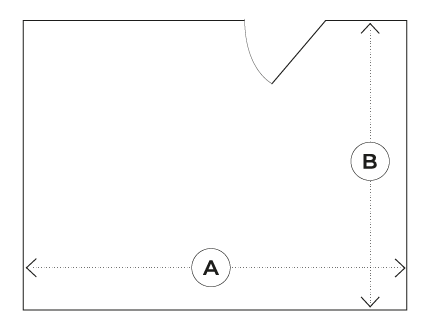
Example Two: Odd Shaped Rooms